Gelatin in Coffee or Tea: How Much, How to Mix + 6 Easy Drinks
Adding gelatin in coffee or tea has become a popular wellness habit: stir a spoonful of unflavored gelatin into your morning cup and you get a silky latte with a few grams of extra protein. But it also raises practical questions. Will it clump? Will it turn your coffee into jello? Does it really help with weight loss, joints or skin?
This guide answers all of those. You will learn how to add gelatin in coffee or tea without lumps, how much to use, which drinks work best, and what the research does and does not support. If you want the basics on gelatin itself, start with our guide to gelatin benefits.
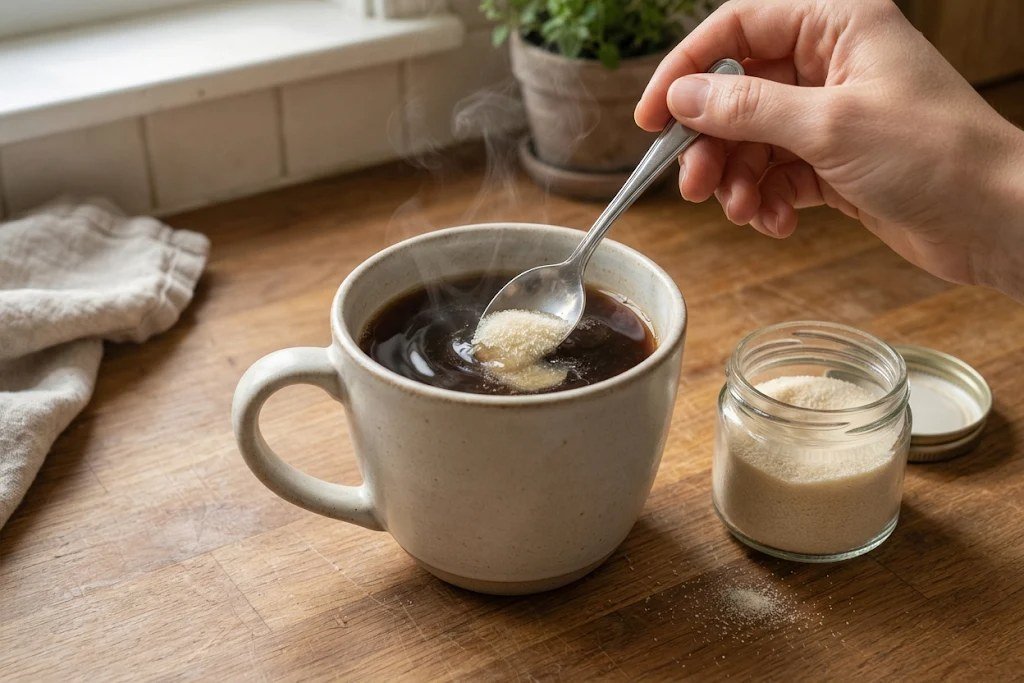
Table of Contents
Table of Contents
Gelatin in Coffee or Tea: Key Takeaways
- Bloom first: sprinkle gelatin over 2 tablespoons of cold water for 5 minutes, then add hot (not boiling) liquid and whisk.
- Use 1 to 2 teaspoons per cup to keep the drink liquid. About 1 tablespoon gives a thicker, latte-like body.
- It will gel if you cool it: large amounts set as they cool, so it is not good for cold drinks unless you use collagen peptides.
- Protein bonus is small: 1 tablespoon (7 g) of gelatin gives about 6 grams of protein, and it is incomplete protein.
- Expect modest benefits: it will not melt fat, but it may help you feel fuller and meet your protein goals.
- Mind your caffeine: most adults can have up to 400 mg a day.
Does Gelatin Dissolve in Coffee and Tea?
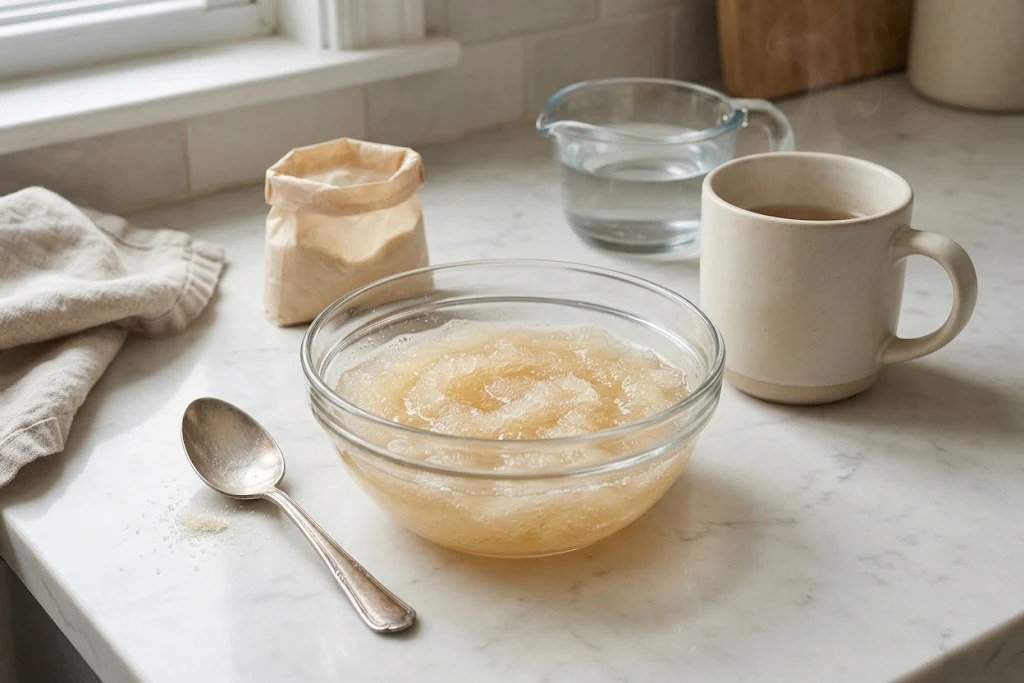
Yes, but only if you do it correctly. Gelatin dissolves in hot liquid, typically above about 140 degrees Fahrenheit (60 degrees Celsius), and sets when it cools. Coffee and tea are normally brewed well above that temperature, so gelatin disperses easily. The problem is that if you sprinkle dry powder onto hot liquid it forms clumps, because the outside of each granule swells into a gel layer that traps dry powder inside. Blooming solves this: the powder absorbs cold water first, then dissolves smoothly when hot liquid is added.
How to Add Gelatin in Coffee or Tea Step by Step
Follow these five steps, and see the printable recipe card below.
- Measure 1 to 2 teaspoons of unflavored gelatin powder into your mug.
- Add 2 tablespoons of cold water and let it bloom for 5 minutes.
- Pour hot coffee or tea (not boiling, ideally 160 to 185 degrees Fahrenheit) over the bloomed gelatin.
- Whisk or froth for about 60 seconds until you see no granules.
- Add milk, sweetener or spices, and drink while warm.
Gelatin Coffee (Hot Gelatin Latte)
Ingredients
Method
- Sprinkle the gelatin over the cold water in a mug and let it bloom for 5 minutes until it looks like soft applesauce.
- Pour the hot (not boiling) coffee over the bloomed gelatin and whisk for 60 seconds, until no granules remain.
- Stir in the warmed milk and sweetener if using. A milk frother gives a silky, foamy top.
- Drink while warm. If it cools and begins to thicken, reheat gently and stir.
Notes
How Much Gelatin Should You Put in Coffee or Tea?
| Amount per 8 oz cup | Protein | Result | Best for |
|---|---|---|---|
| 1 teaspoon (about 2.5 g) | about 2 g | Stays liquid, barely noticeable | Beginners and tea |
| 2 teaspoons (about 5 g) | about 4 g | Slightly silky, stays liquid when warm | Everyday lattes |
| 1 tablespoon (about 7 g) | about 6 g | Thicker and creamier; may thicken as it cools | Protein boost |
| 2 tablespoons (about 14 g) | about 12 g | Will gel when cooled | Gelled coffee dessert |
Start with 1 teaspoon and work up. Most people do well with 1 to 2 teaspoons in the morning and up to 1 tablespoon a day in total across drinks. You can check typical nutrition values for gelatin in USDA FoodData Central.
Best Drinks for Gelatin in Coffee or Tea
1. Gelatin latte
Bloom the gelatin, add hot coffee, then top with warm frothed milk. The gelatin adds body and a velvety mouthfeel, almost like a heavier cream.
2. Gelatin green tea or matcha
Matcha and green tea pair well with gelatin. Use water at 160 to 175 degrees Fahrenheit so the tea does not turn bitter. Whisk the matcha first, then add the gelatin mixture.

3. Chai or spiced tea
Brew chai strongly, then dissolve gelatin into it. The spices cover any slight flavor from the gelatin.
4. Herbal tea with gelatin
Hibiscus, peppermint and chamomile work well. You can read about hibiscus tea benefits and ginger tea for nausea for more ideas.
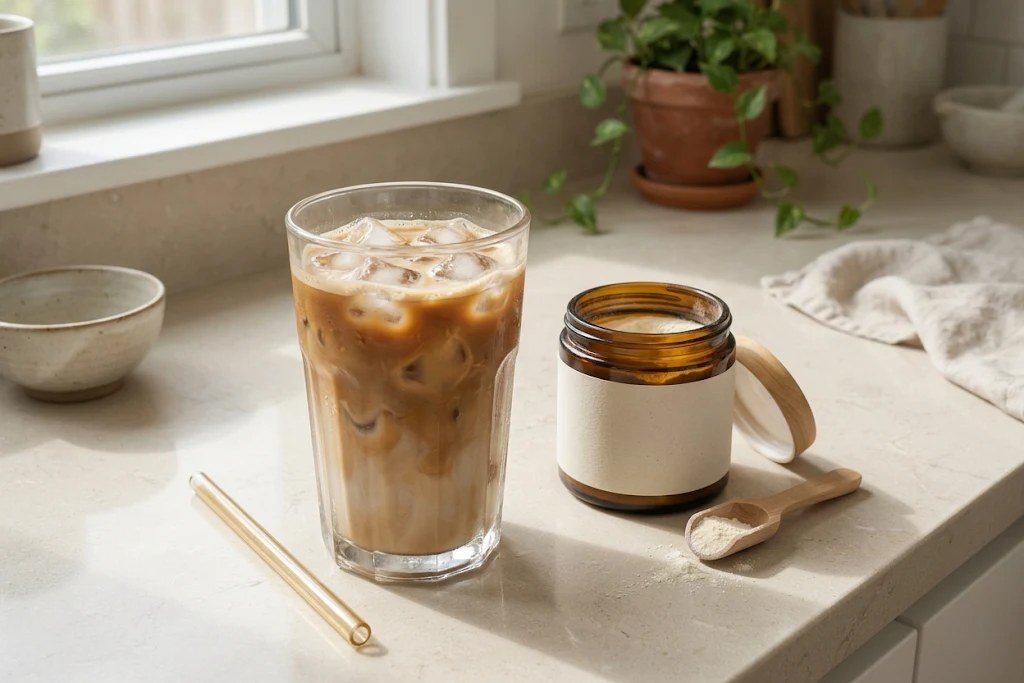
5. Iced coffee (use collagen peptides instead)
Gelatin does not dissolve in cold drinks and will gel in the fridge. For iced coffee, collagen peptides are better, because they dissolve in cold liquid and do not gel. We compare the two in our guide to gelatin vs collagen peptides.
6. Coffee jello
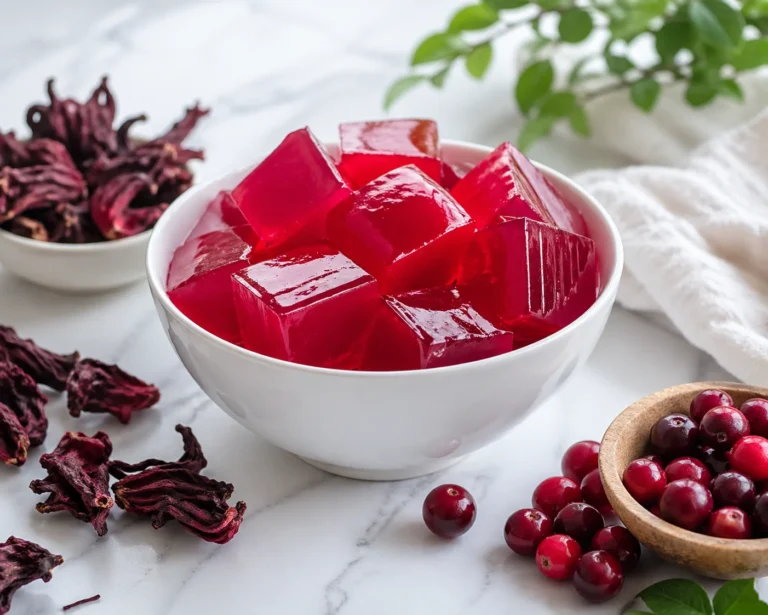
If you want a dessert, use 2 tablespoons per cup and chill. See our zero carb jello recipes for coffee jello and other versions.
4 Quick Flavor Recipes for Gelatin in Coffee or Tea
Once you have the basic method, flavor variations keep the habit interesting. Each recipe below makes one mug and uses 2 teaspoons of bloomed gelatin per cup, as in the recipe card.
| Drink | Add to the bloomed gelatin | Notes |
|---|---|---|
| Vanilla cinnamon latte | 1 cup hot coffee, 1/4 cup warm milk, 1/4 teaspoon vanilla, pinch of cinnamon | Cozy and lightly sweet |
| Golden milk gelatin latte | 1 cup hot milk, 1/2 teaspoon turmeric, pinch of black pepper and ginger, 1 teaspoon honey | Caffeine-free, good for evenings |
| Matcha gelatin latte | 1/2 teaspoon matcha whisked into 3/4 cup hot water at 170 F, then 1/4 cup warm milk | Smooth and earthy |
| Cocoa gelatin drink | 1 cup hot milk, 1 tablespoon unsweetened cocoa, 1 teaspoon maple syrup | Dessert-like and caffeine-light |
For every recipe, add the sweetener and spices at the end so they do not interfere with dissolving the gelatin. If you like creamy drinks, warm the milk first, since cold milk will cool the mixture and can make the gelatin start to set. A small handheld frother makes any of these drinks smoother and foamier.
Make-ahead gelatin coffee tips
- Mix a larger batch of bloomed gelatin (for example 3 tablespoons in 1/2 cup cold water) and keep it covered in the fridge. It will set into a firm gel that you can spoon into hot drinks for the next few days.
- Use 1 heaping teaspoon of the gelled mixture per cup of hot coffee and whisk until it melts completely.
- Keep gelatin powder in an airtight container away from humidity, since moisture makes it clump.
- If you prefer cold drinks, mix collagen peptides directly into iced coffee instead, as they do not need heat.
Experiment with one change at a time so you can tell what you like. Because gelatin in coffee or tea is subtle, the main difference you will notice is mouthfeel, not flavor, so choose the version that makes your morning easier rather than the one with the most hype.
Does Gelatin in Coffee or Tea Help You Lose Weight?
The “gelatin coffee trick” is promoted online as a way to curb appetite and burn fat. The honest answer is that the idea is based on a real but small effect: protein, including gelatin, increases fullness, so a protein-containing morning drink may help some people eat less later. But a teaspoon or two adds only 2 to 4 grams of protein, which is a trivial amount, and gelatin has no proven fat-burning effect. If you want to understand viral claims like this one, our article on whether the gelatin trick works goes through the evidence.
As a practical tool, a gelatin latte can replace a sugary coffee drink, saving 150 to 300 calories, and that is where any weight benefit would come from. For ways to boost your protein more effectively, see how much protein is in bone broth and our high protein breakfast ideas.
Other Possible Benefits and Limits
- Joints and skin: studies mostly use 5 to 15 grams a day of collagen peptides, over 8 to 24 weeks. A small amount of gelatin in drinks may add up, but the research is modest.
- Sleep: gelatin contains glycine, which small trials link to better sleep quality at about 3 grams, but those trials used glycine, not coffee drinks. Avoid caffeine late in the day.
- Gut: evidence is limited. Gelatin is easy to digest, but it is not proven to heal the gut.
- Nutrition: gelatin is an incomplete protein, so count it as a small extra, not a main source.
- Taste and texture: many people like the silkiness. Others dislike it, and there is no health reason to continue if you do not enjoy it.
Caffeine, Iron and Other Things to Know
Coffee and tea carry their own considerations. Most adults can safely have up to 400 milligrams of caffeine a day, about four cups of brewed coffee, according to the FDA guidance on how much caffeine is too much, and MedlinePlus overview of caffeine covers symptoms of too much. Tea and coffee also contain compounds that reduce iron absorption from plant foods, so avoid drinking them with iron-rich meals if you are low in iron. Gelatin itself does not change those effects.
Who Should Avoid Adding Gelatin in Coffee or Tea?
- Vegetarians and vegans: gelatin comes from animals. Agar-agar is a plant alternative but does not dissolve or behave the same.
- People who follow halal or kosher diets: look for certified gelatin.
- People with allergies to pork, beef or fish: check the source.
- People with kidney disease or on protein limits: ask your doctor.
- People sensitive to caffeine, pregnant or nursing: follow your provider’s caffeine limits.
Troubleshooting Gelatin in Coffee or Tea
| Problem | Likely cause | Fix |
|---|---|---|
| Lumps or stringy bits | Gelatin was added dry to hot liquid | Always bloom in cold water first |
| Drink turns thick or gelled | Too much gelatin or cooled down | Use 1 to 2 teaspoons per cup or reheat gently |
| Film or foam on top | Normal protein foam | Skim or froth into a latte |
| Weird taste | Low-quality gelatin | Choose unflavored, high-quality gelatin or collagen peptides |
| Not dissolving in iced coffee | Gelatin needs heat | Use collagen peptides instead |
Frequently Asked Questions About Gelatin in Coffee or Tea
Can you put gelatin in coffee?
Yes. Bloom unflavored gelatin in a little cold water, then whisk it into hot (not boiling) coffee. Use 1 to 2 teaspoons per cup to keep the drink liquid, and avoid using gelatin in iced coffee.
How much gelatin should I put in coffee or tea?
Most people use 1 to 2 teaspoons per cup, and up to 1 tablespoon for a thicker, protein-rich drink. Start small and see how you like the texture.
Does gelatin in coffee help you lose weight?
Not directly. It adds a few grams of protein that may help you feel full, but there is no proof that it burns fat. Replacing a sugary coffee drink with a gelatin latte may reduce calories.
Will gelatin make my coffee gel?
If you use a small amount, it stays liquid when warm. Larger amounts will gel as the drink cools. Reheat gently and stir if it thickens.
Is gelatin better than collagen powder in coffee?
Collagen peptides dissolve in hot or cold drinks and never gel, so they are more convenient. Gelatin is cheaper and thickens drinks, but it needs heat and blooming.
Can I add gelatin to tea?
Yes, it works well in hot tea, especially green tea, chai and herbal teas. Use water that is hot but not boiling and whisk well.
Final Thoughts on Gelatin in Coffee or Tea
Gelatin in coffee or tea is a simple habit that adds a bit of protein and a silky texture, as long as you bloom the powder first and keep the amount modest. It is not a miracle fat burner and it will not replace complete proteins, but if you enjoy the taste, it is a harmless, inexpensive upgrade to your morning cup. Start with one teaspoon, experiment with the drinks above and judge it by how you feel.
This article is for general information and is not medical advice. Talk to a healthcare professional before using gelatin or any supplement regularly, especially if you have a medical condition, are pregnant or take medication.