
Ginger Tea for Nausea: Easy 3-Ingredient Recipe and Tips
Ginger tea for nausea is one of the oldest home remedies in the world, and unlike many folk cures it has real research behind it. Studies suggest that ginger can ease nausea in some situations, especially morning sickness in pregnancy, although the evidence is stronger for some types of nausea than others, and tea is gentler (and weaker) than concentrated supplements.
This guide explains how ginger tea for nausea works, which kinds of nausea it may help, how to make a strong, soothing cup in 15 minutes, how much is safe, and when you should skip the tea and call a doctor. As with our other evidence-based guides, such as hibiscus tea benefits and lemon water benefits in the morning, we separate what is proven from what is hype.
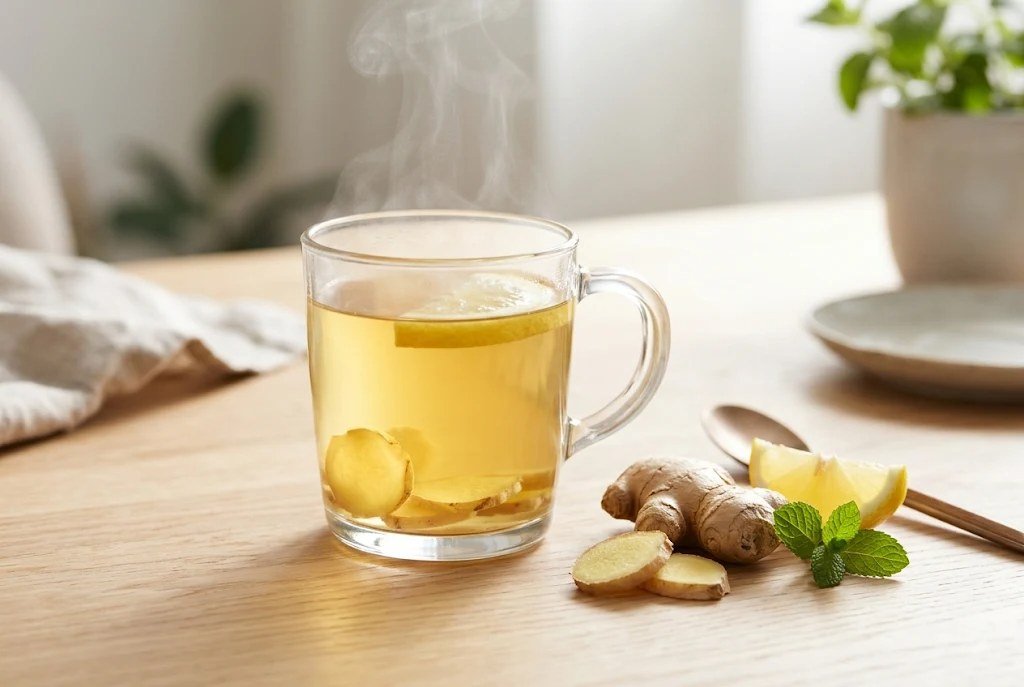
Table of Contents
Table of Contents
Ginger Tea for Nausea: Key Takeaways
- Evidence exists: several trials show ginger can reduce nausea, with the best support in pregnancy-related nausea.
- Mixed for other types: results for chemotherapy, motion sickness and after-surgery nausea are inconsistent.
- Tea is milder than supplements: a cup of ginger tea gives less ginger than the capsules used in most trials.
- Fresh is best: simmer 1 inch of sliced fresh ginger in 2 cups of water for 10 to 15 minutes.
- Typical safe amount: up to about 1 to 1.5 grams of ginger a day for nausea, with 4 grams a day as a common upper limit.
- Know when to stop: severe, persistent nausea needs medical care, not tea.
How Does Ginger Tea for Nausea Work?
Ginger root contains active compounds called gingerols and shogaols, which give it its sharp flavor. Researchers think these compounds work in two ways. First, they appear to act on serotonin receptors in the gut, which are involved in triggering the vomiting reflex. Second, they may speed up how quickly the stomach empties, which can ease the heavy, full feeling that comes with nausea.
Heat also matters. Simmering ginger in water extracts gingerols, and prolonged heat converts some of them into shogaols, which have a spicier flavor and are also active. A strong simmered tea is therefore a reasonable way to take ginger, even if the dose per cup is smaller than in a supplement. The NCCIH overview of ginger notes that ginger is generally safe in typical food amounts, and that research is promising for some types of nausea but not conclusive.
Types of Nausea Ginger Tea May Help With
| Type of nausea | What the research suggests | Confidence |
|---|---|---|
| Pregnancy (morning sickness) | Trials using about 1 g/day of ginger found less nausea than placebo | Moderate |
| Chemotherapy-related | Mixed; some trials show benefit, others do not | Low to moderate |
| After surgery | Inconsistent results | Low |
| Motion sickness | Weak or no clear effect compared with medication | Low |
| Upset stomach and indigestion | Ginger may speed stomach emptying; small studies are promising | Low to moderate |
| Nausea from GLP-1 medication | Not well studied, but many people find mild relief from ginger | Low |
Morning sickness and pregnancy
Pregnancy is the situation where ginger has the most support. Professional guidance such as the ACOG guidance on nausea and vomiting of pregnancy lists ginger as an option some people try for mild nausea. Most studies used about 1 gram of ginger per day, taken in divided doses. Tea can fit into that plan, but it is wise to check with your doctor or midwife first, especially if you have bleeding, a high-risk pregnancy or take medication.
Chemotherapy and surgery
Trials of ginger for nausea after chemotherapy or surgery have been inconsistent. Doctors have much more effective prescription anti-nausea drugs for these situations, so ginger tea should be seen as a gentle extra and never a substitute. If you are in cancer treatment, ask your care team before adding any herbal product, because ginger can affect blood clotting.
Nausea from GLP-1 medication
Many people starting GLP-1 medicines such as Ozempic or Wegovy feel nauseated, particularly after a dose increase. Ginger tea is a popular, low-risk comfort measure. For more practical guidance, see our articles on what to eat on Ozempic and gelatin for Ozempic side effects. Persistent vomiting or dehydration always needs medical attention.
How to Make Ginger Tea for Nausea (Step by Step)
Fresh ginger gives a stronger, cleaner flavor than tea bags, which often contain only a small amount. Here is the method I recommend, with the full recipe card below.
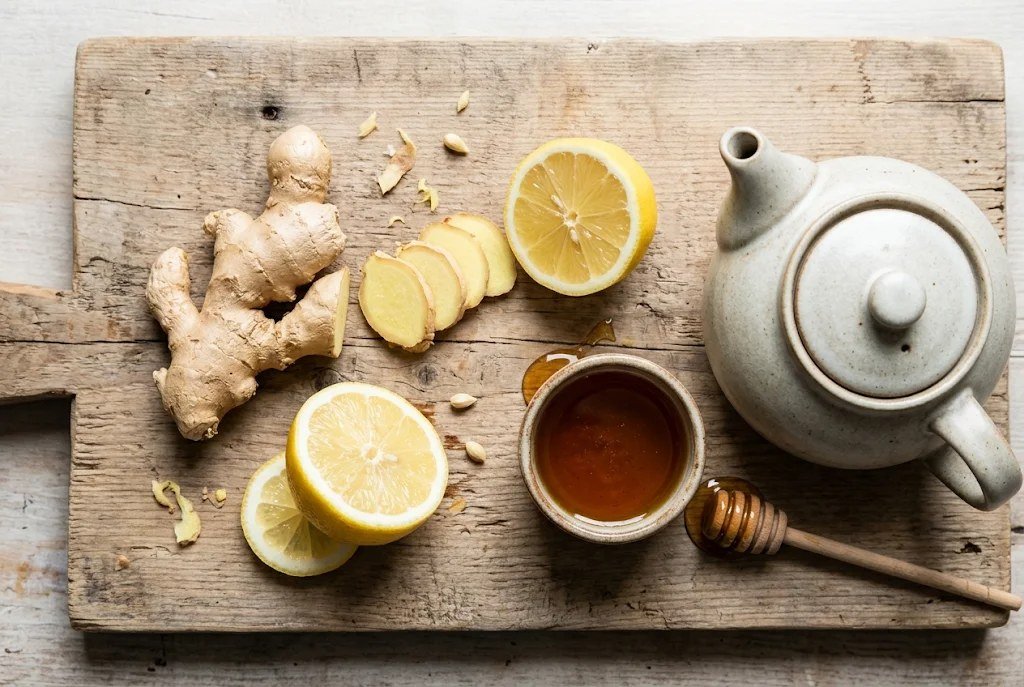
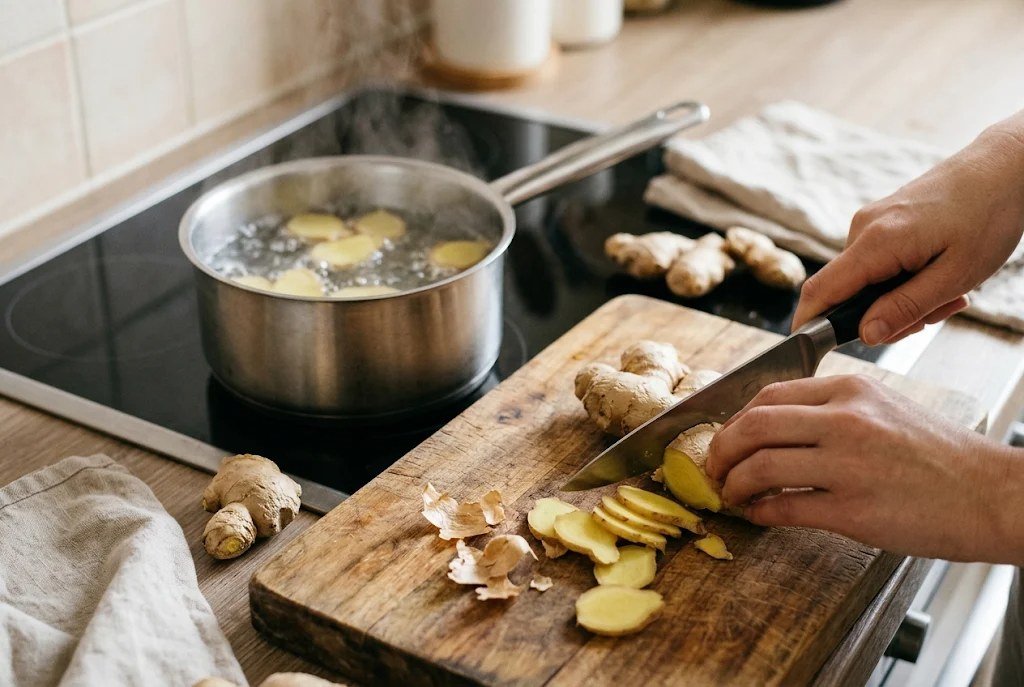
- Wash a 1-inch piece of fresh ginger. You do not need to peel it if the skin is thin and clean.
- Slice it thinly or grate it to expose more surface area.
- Simmer it in 2 cups of water for 10 to 15 minutes with the lid on.
- Strain, then add honey and lemon if you like.
- Sip slowly in small amounts, about a quarter of a cup at a time, rather than gulping a full mug.
Ginger Tea for Nausea
Ingredients
Method
- Bring the water to a gentle boil in a small saucepan.
- Add the sliced or grated ginger, reduce the heat to low, cover and simmer for 10 minutes. Simmer 15 minutes for a stronger tea.
- Strain the tea into two mugs through a fine sieve.
- Stir in the honey and lemon juice if using. Sip slowly while warm, not scalding.
- Let any leftovers cool, refrigerate for up to 2 days and serve warm or over ice.
Notes
Tips to make ginger tea for nausea more effective
- Make it strong but sip small: a stronger brew has more active compounds, but small sips are easier on a queasy stomach.
- Serve it warm, not hot: very hot drinks can aggravate nausea in some people. Try lukewarm or iced if heat bothers you.
- Add lemon: the tartness can cut through the metallic taste that often accompanies nausea.
- Keep it plain when you feel very sick: skip the honey if sweetness bothers you.
- Try fresh ginger chews or candied ginger as a travel-friendly backup when tea is not practical.
- Store ginger in the freezer: grating it frozen is easy and keeps it fresh for months.
Ginger Tea for Nausea: Flavor Variations to Try
Plain ginger tea can be intense. These variations keep the tea gentle and make it easier to drink when you are not feeling well. Each one starts with the base recipe above, and you can add the extras during the last few minutes of simmering.
| Variation | What to add | Best for |
|---|---|---|
| Ginger lemon honey | 1 tsp lemon juice and 1 tsp honey | Everyday queasiness and sore throats |
| Ginger mint | A handful of fresh mint leaves in the last 3 minutes | Heavy stomach after meals |
| Ginger cinnamon | 1 cinnamon stick while simmering | Cold weather comfort |
| Iced ginger | Chill the strained tea, then serve over ice with lemon | Nausea made worse by heat |
| Ginger chamomile | 1 chamomile tea bag steeped in the finished tea | Evening cup before bed |
| Ginger apple | A few thin apple slices while simmering | Kids and picky drinkers (over age 1) |
Fresh, dried or powdered ginger: which is best?
Fresh ginger is the best choice for tea because it is the easiest to dose and gives the cleanest taste. Dried ginger is more concentrated, so use about a quarter of the amount, roughly half a teaspoon of ground ginger per cup of water, and strain it through a coffee filter if you dislike the grit. Candied ginger and ginger chews are handy for travel but often contain a lot of sugar, so treat them as an occasional extra rather than your main source of ginger tea for nausea. Whichever form you use, buy from a store with good turnover so the root is firm, not wrinkled or moldy.
How Much Ginger Tea Is Safe Per Day?
Most research on nausea uses 1 to 1.5 grams of ginger a day, split into two or three doses. One inch of fresh ginger weighs roughly 5 to 7 grams, so one or two cups of the tea in the recipe above is a comfortable range for most adults. Many health organizations suggest keeping total ginger intake below about 4 grams a day, and below about 1 gram a day at a time during pregnancy unless your doctor advises otherwise.
Drinking much more is unlikely to help and can cause heartburn, gas, a burning feeling in the mouth or loose stools. If a cup makes your stomach feel worse, stop and try plain water, ice chips or a bland snack instead.

Side Effects and Who Should Be Careful
- Blood thinners and bleeding disorders: ginger may slightly reduce clotting. Ask your doctor if you take warfarin or other anticoagulants, or before surgery.
- Gallstones: ginger can increase bile flow, so people with gallstones should check with a doctor first.
- Diabetes medication: ginger may lower blood sugar a little, so monitor your levels if you drink a lot.
- Acid reflux: large amounts can cause heartburn in some people.
- Pregnancy: small amounts are generally considered fine, but speak with your provider about the dose, especially in the final weeks.
- Children: check with a pediatrician before giving ginger tea for nausea to young children, and never give honey to babies under 12 months.
Other Foods and Drinks That Help with Nausea
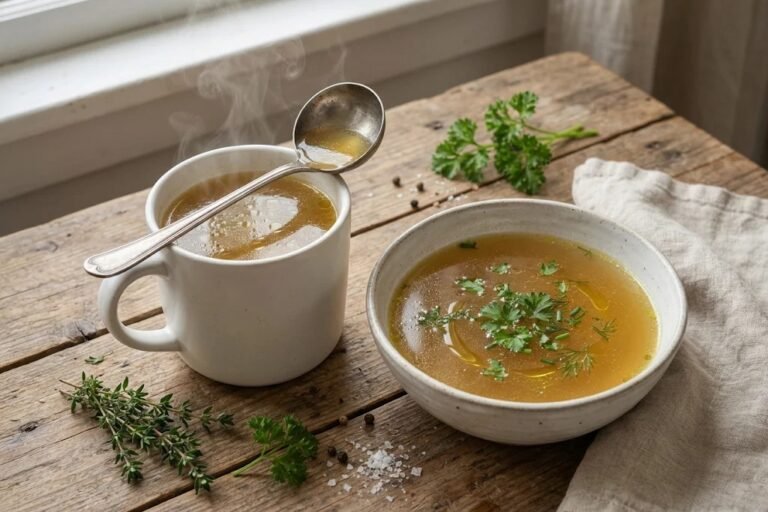
Ginger tea is not the only gentle option. Many people tolerate small, frequent snacks better than large meals. Plain crackers, toast, rice, bananas and applesauce are classic choices. Cold foods often smell less strong than hot foods, which can help if odors trigger your nausea. Peppermint tea, sipped slowly, helps some people, and clear broths such as bone broth can supply fluid, salt and calories when solid food is unappealing.
Staying hydrated matters more than any single remedy. Sip water, oral rehydration drinks or diluted juice throughout the day. If you also want a refreshing citrus drink, try lemon water. For gentle breakfast foods that are kind to the stomach and also reduce inflammation, see our guide to anti inflammatory breakfast ideas. You can browse randomized trials of ginger for nausea if you want to read the original studies.

When to See a Doctor Instead of Reaching for Ginger Tea
Ginger tea for nausea is a comfort measure for mild, short-lived queasiness. See a healthcare professional promptly if you have any of the following.
- Vomiting that lasts more than 24 hours, or you cannot keep any fluids down.
- Signs of dehydration: very dark urine, dizziness, dry mouth or reduced urination.
- Severe stomach pain, a stiff neck, chest pain or a high fever.
- Blood in vomit or stool.
- Nausea together with confusion, a severe headache or vision changes.
- Severe pregnancy nausea that prevents eating or drinking, which can be a condition called hyperemesis gravidarum.
Frequently Asked Questions About Ginger Tea for Nausea
Does ginger tea really help with nausea?
Research suggests that ginger can reduce nausea, particularly in pregnancy. Tea contains less ginger than supplements used in trials, so effects may be milder, but many people find a warm cup of ginger tea soothing for an upset stomach.
How much ginger tea should I drink for nausea?
One to two cups a day made with about an inch of fresh ginger per two cups of water is a reasonable amount for most adults. Sip slowly, and do not exceed about 4 grams of ginger per day in total.
Is ginger tea for nausea safe during pregnancy?
Small amounts of ginger are generally considered safe and are often suggested for morning sickness, but you should confirm the amount with your doctor or midwife, especially if you have bleeding or a high-risk pregnancy.
Should I use fresh ginger or tea bags?
Fresh ginger gives a stronger, more reliable dose. Tea bags are convenient and fine for mild nausea, but they often contain much less ginger.
Can ginger tea make nausea worse?
Yes, in large amounts it can cause heartburn or an upset stomach. If the tea makes you feel worse, stop, sip plain water and try again later with a weaker brew.
How long does it take for ginger tea to work?
Many people feel some relief within 20 to 30 minutes, though the effect varies. If nausea does not improve or gets worse, seek medical advice.
Final Thoughts on Ginger Tea for Nausea
Ginger tea for nausea is a safe, inexpensive, comforting remedy with real, if modest, research support, especially for pregnancy-related queasiness. Make it with fresh ginger, sip it slowly and keep your expectations realistic: it can take the edge off mild nausea but it will not treat severe vomiting or the underlying cause. Keep a piece of ginger in the freezer so you can brew a cup whenever your stomach feels off.
This article is for general information and is not medical advice. If you are pregnant, take medication or have a medical condition, talk to a healthcare professional before using ginger regularly.




One Comment