Gelatin Benefits: 9 Amazing Science-Backed Perks (No Hype)
The gelatin benefits people talk about online range from reasonable (a cheap, low-calorie source of protein) to wildly exaggerated (a miracle for joints, skin, gut and weight loss all at once). This guide separates the two. You will see what the research actually supports, how much gelatin to use, the best ways to eat it, and who should skip it.
Gelatin is simply cooked collagen, the structural protein found in the skin, bones and connective tissue of animals. Because it is almost pure protein and dissolves easily, it has been used in kitchens for centuries and in supplements for decades. We have written about it from several angles on this site, including the difference between gelatin and Jell-O and whether the viral gelatin trick works. This article is the foundation: an honest look at what gelatin can and cannot do.

Table of Contents
Table of Contents
Gelatin Benefits: Key Takeaways
- Mostly protein: gelatin is roughly 85 to 90 percent protein by weight as sold, with almost no fat or sugar.
- Joints and skin: the best evidence for gelatin benefits comes from collagen-based supplements, with modest improvements in joint comfort and skin elasticity.
- Fullness: gelatin is unusually filling per calorie, which can help you eat less without feeling deprived.
- Sleep and glycine: the amino acid glycine, abundant in gelatin, has small trials showing better subjective sleep quality.
- Not a complete protein: gelatin lacks tryptophan, so it should complement other proteins rather than replace them.
- Typical dose: 1 to 2 tablespoons (about 7 to 14 grams) a day is the range most people use.
- Not magic: it will not melt fat, repair a damaged gut overnight or replace medical treatment.
What Is Gelatin and Where Does It Come From?
Gelatin is made by gently heating collagen-rich animal parts, usually pork skin, beef hides and bones, in water. The heat breaks the tight collagen triple helix into shorter chains. When those chains cool in water they link up loosely again and trap liquid, which is why a cup of gelatin sets into a wobbly gel. That unique melt-in-the-mouth texture is the reason it is used in desserts, gummies, marshmallows and panna cotta.
The gelatin in a jar of unflavored powder is nutritionally different from the flavored dessert mix sold in a box. The box contains sugar or sweeteners, colors and flavors, while the plain powder is nearly pure protein. If you want to understand that distinction in depth, read our comparison of gelatin vs Jell-O. For the benefits covered here, always start with plain, unflavored gelatin.
You also get gelatin from food. Slow-simmered bone broth turns jiggly in the fridge because the collagen from the bones has turned into gelatin. Cuts such as oxtail, chicken feet and pork trotters are especially rich in it. You can learn how to cook your own in our guide on how to make bone broth at home.
Gelatin Nutrition: What You Actually Get
One tablespoon of unflavored gelatin powder (about 7 grams) provides roughly 23 to 25 calories and about 6 grams of protein, with no meaningful carbohydrate, fat or sugar. That makes it one of the leanest protein sources available. You can check the composition of different gelatin products in USDA FoodData Central.
| Nutrient (1 tablespoon, about 7 g) | Approximate amount |
|---|---|
| Calories | 23 to 25 |
| Protein | 6 g |
| Carbohydrate | 0 g |
| Fat | 0 g |
| Sugar | 0 g |
| Glycine | about 1.5 to 2 g |
| Proline and hydroxyproline | about 1.5 g combined |
| Tryptophan | virtually none |
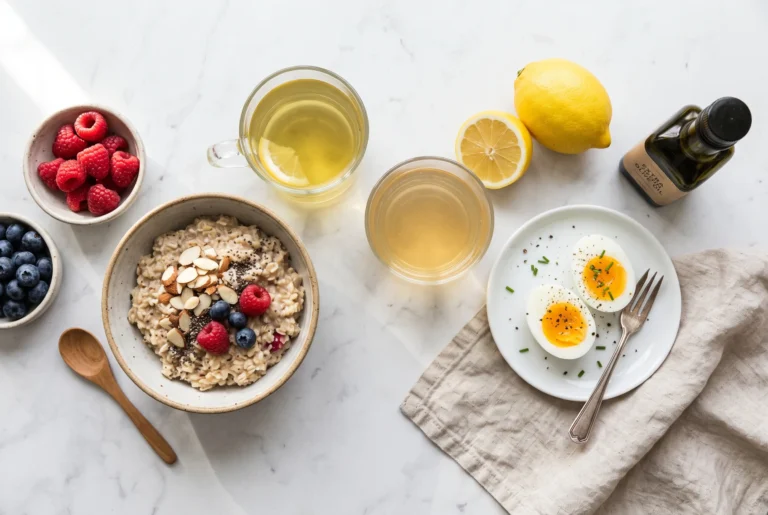
Notice the last line. Gelatin is an incomplete protein because it contains almost no tryptophan and very little of a few other essential amino acids. That does not make it bad, it simply means you should eat it alongside eggs, dairy, fish, meat or legumes. A spoonful in a Greek yogurt dessert, for example, combines both worlds, and you will find ideas in our list of high protein breakfast ideas.
9 Gelatin Benefits Backed by Research
Here are the gelatin benefits that have at least some research behind them, ranked from the best supported to the most speculative. Most trials use collagen hydrolysate (also called collagen peptides), which is gelatin that has been broken down even further. Because the amino acids are the same, scientists generally expect gelatin to behave similarly, but direct gelatin trials are fewer, so we flag that clearly.
1. Joint comfort and mobility
This is the most studied of all gelatin benefits. In a well-known 24-week trial of athletes with activity-related joint pain, daily collagen hydrolysate reduced pain during movement compared with placebo. Other trials in people with knee osteoarthritis found small improvements in stiffness and function. You can browse published clinical trials on collagen hydrolysate and joint pain to read the abstracts yourself. The effect is modest, so think of it as a helpful addition to exercise and weight management rather than a replacement for them.
2. Skin elasticity and hydration
Collagen is the scaffolding of the skin, and several randomized trials suggest that 2.5 to 10 grams of collagen peptides daily for 8 to 12 weeks can improve skin elasticity and moisture slightly. A review of these studies concluded the results were encouraging but noted that many trials were funded by supplement makers. Gelatin supplies the same raw amino acids, so it is a plausible, inexpensive way to get them.
3. Feeling fuller on fewer calories
Protein is the most filling nutrient, and gelatin performs well in short feeding studies. In one controlled experiment, a gelatin-based meal kept participants feeling full for longer than an equal-protein casein meal, although the gelatin was lower in quality. A cup of sugar-free gelatin or a protein-rich gelatin dessert costs very few calories, which is why it is popular for appetite control. We explore that in more depth in our article on the best gelatin powder for weight loss.

4. Better sleep quality
Gelatin is one of the richest food sources of glycine, an amino acid that appears to lower core body temperature and promote calmer sleep. In small trials, 3 grams of glycine before bed improved how rested people felt the next morning. A tablespoon of gelatin delivers roughly half that amount, so a warm gelatin drink in the evening is a reasonable experiment, but the sleep data come from glycine itself rather than from gelatin.
5. Gut and digestive support
Many gelatin benefits lists claim it heals the gut lining. The truth is that this idea rests on laboratory and animal research plus traditional use. Glycine and glutamine play roles in the intestinal barrier, and gelatin is gentle and easy to digest, which is why it appears in recovery diets. However, there are no strong human trials showing it treats leaky gut or inflammatory bowel disease, so treat it as supportive food rather than therapy.
6. Bone strength
One year-long trial in postmenopausal women found that collagen peptides together with calcium and vitamin D modestly improved bone density markers compared with placebo. The finding is interesting but preliminary. Gelatin should never replace calcium, vitamin D, resistance exercise or prescribed osteoporosis treatment.
7. Hair and nail support
Small studies have reported fewer broken nails and faster nail growth in people taking collagen daily, and many people report thicker-feeling hair. The evidence is thin and mostly based on self-reported results, so view it as a possible bonus rather than a guaranteed outcome.
8. A simple way to raise daily protein
Many adults, especially older ones, struggle to eat enough protein. Stirring a tablespoon of gelatin into soup, yogurt or a hot drink adds protein without extra volume. Because it is incomplete, count it as roughly half a serving and pair it with complete proteins.
9. Gentle nutrition during recovery
Gelatin desserts and broths have long been served during illness because they are soothing, hydrating and easy to swallow. For people with a low appetite, a warm cup of broth with gelatin can deliver calories and amino acids when solid food is unappealing.

What Gelatin Benefits Do Not Include
Because gelatin is trending, a lot of claims go well beyond the evidence. Here is what the research does not support.
- Fat melting: no food melts fat. Gelatin can help you feel full, which may help you eat less, and that is all.
- Curing arthritis or rebuilding cartilage: studies show small reductions in pain, not repaired joints.
- Replacing GLP-1 medication: gelatin is not a substitute for prescription drugs. We explain the comparison in our article on the gelatin trick vs natural Mounjaro.
- Detoxing the body: your liver and kidneys already do that, and no gelatin drink improves them.
- Instant results: any benefit for skin, joints or sleep takes weeks of consistent use.
If you want to understand how the viral recipes stack up against these facts, our complete guide to the gelatin trick walks through what works and what does not.
How Much Gelatin Should You Have Per Day?
Most studies use 5 to 15 grams of collagen protein per day. In kitchen terms, that equals about 1 to 2 tablespoons of gelatin powder (one 7 gram packet is about 1 tablespoon). Starting with half a tablespoon for a week lets your digestion adjust. Taking more than 20 grams a day is unlikely to add benefit and can cause bloating, a heavy feeling or an unpleasant aftertaste.
Consistency matters more than timing. Take it with breakfast, in an afternoon snack or in an evening drink, whichever you will actually remember. If you are using it for sleep, take it 30 to 60 minutes before bed.
How to Use Gelatin to Get the Gelatin Benefits
Gelatin powder will clump if you dump it straight into hot liquid. Use the bloom method instead.
- Measure 1 tablespoon of unflavored gelatin powder into a small bowl.
- Sprinkle it over 3 to 4 tablespoons of cold water or juice and let it sit for 5 minutes until it looks like soft applesauce.
- Stir the bloomed gelatin into 1 cup of hot (not boiling) liquid such as tea, broth or warm milk until fully dissolved.
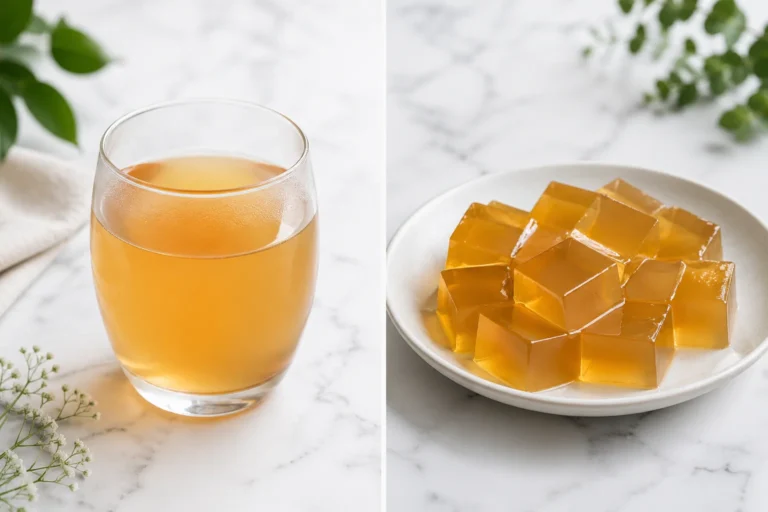
- Drink it warm, or chill it for 3 to 4 hours to make a set gel or dessert.
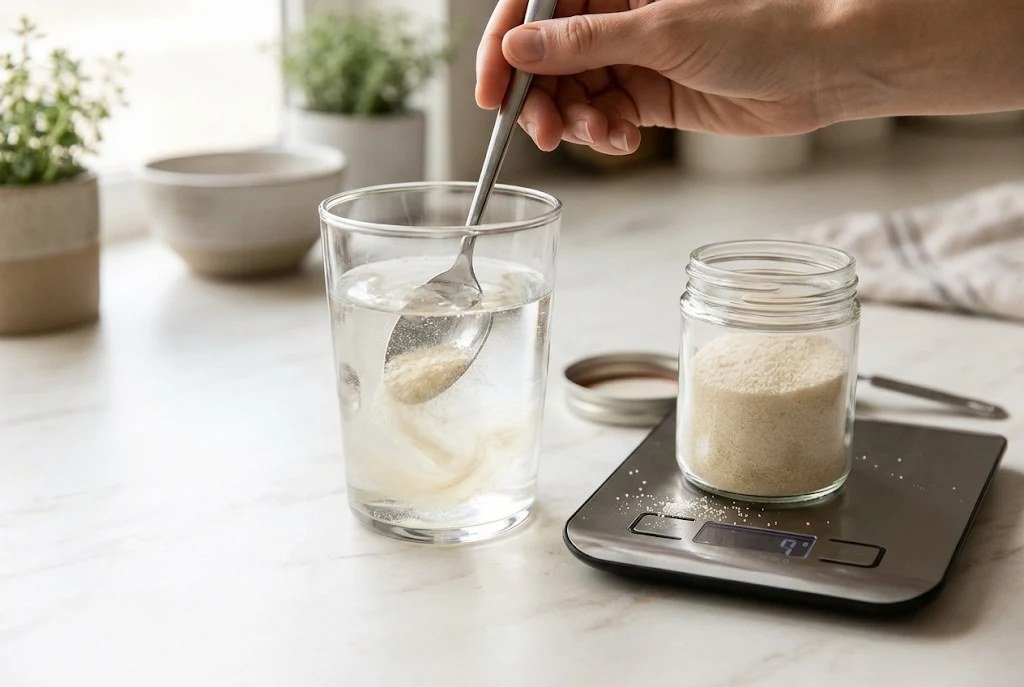
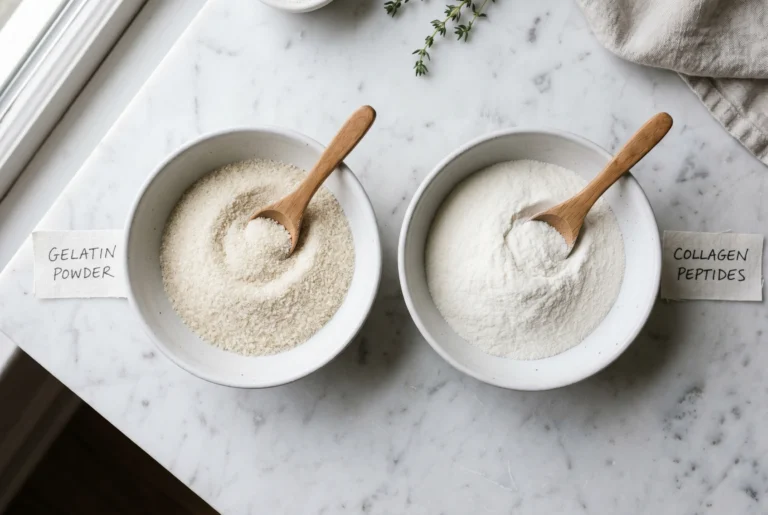
Once you have the method down, the possibilities are wide. Add it to soup and sauces for body, make easy fruit gummies (our homemade gelatin gummies recipe uses only four ingredients), stir it into hot tea, or set it into a protein-rich dessert. Collagen peptides dissolve in cold liquid, while true gelatin sets, so choose based on whether you want texture or an invisible supplement. We compare them in gelatin vs collagen peptides.
Best Food Sources for Gelatin Benefits
You do not have to buy a jar of powder to benefit. Here are the main sources and how much gelatin they give you.
| Source | How it delivers gelatin | Best use |
|---|---|---|
| Unflavored gelatin powder | Highest concentration, easy to measure | Gummies, drinks, desserts |
| Bone broth | Moderate and variable, depends on bones used | Sipping, soups, sauces |
| Collagen peptides | Pre-broken-down, dissolves cold | Coffee, smoothies |
| Gelatin sheets | Same as powder, easier to use in baking | Panna cotta, mousse |
| Skin-on and bone-in cuts | Small amount released while cooking | Slow-cooked stews |

Who Should Avoid Gelatin?
Gelatin is considered safe for most healthy adults, but it is not for everyone. Skip it, or speak with your doctor first, if any of the following apply.
- You follow a vegetarian, vegan, kosher or halal diet: standard gelatin is animal-derived. Agar-agar or pectin are plant-based alternatives, and halal or kosher certified gelatin exists.
- You have a known allergy to pork, beef or fish: check the source on the label.
- You have kidney disease or are on a protein-restricted diet: extra protein may not be appropriate.
- You are pregnant or nursing: food amounts are fine, but ask your provider before taking concentrated supplements.
- You take blood-thinning medication: there is no strong evidence of interaction, but ask your pharmacist if unsure.
Side effects are usually mild. The most common are a bloated or heavy feeling, a lingering taste and occasionally heartburn. Drinking more water and starting with a small dose usually fixes them.
Gelatin vs Collagen Peptides: Which Gives Better Results?
Both come from collagen, and the research on joints and skin mostly uses collagen peptides. Peptides dissolve in cold drinks and do not gel, which makes them convenient. Gelatin gels, costs less per gram and doubles as a cooking ingredient. For general health the two are close to interchangeable, so choose the one you will use consistently. A full comparison lives in our guide to gelatin vs collagen peptides.
Frequently Asked Questions About Gelatin Benefits
What are the main gelatin benefits?
The best-supported gelatin benefits are modest improvements in joint comfort and skin elasticity, a strong feeling of fullness for very few calories, and a convenient way to add protein and glycine to your diet. Evidence for gut healing, hair growth and bone density is more limited.
Is it safe to eat gelatin every day?
Yes, for most healthy adults 1 to 2 tablespoons a day (7 to 14 grams) is considered safe. Start with a smaller amount and increase gradually. People with allergies, kidney disease or dietary restrictions should check with a doctor first.
Does gelatin help you lose weight?
It can help indirectly. Gelatin is low in calories and filling, so it may reduce appetite, but it does not burn fat by itself. Weight loss still depends on your overall diet, sleep and activity.
How long do gelatin benefits take to show up?
Studies on joints and skin usually run 8 to 24 weeks. Expect to use it daily for at least two to three months before judging results.
Is gelatin better than collagen powder?
Neither is clearly better. Collagen peptides dissolve in cold liquid, while gelatin sets into a gel and is cheaper. The amino acids are the same.
Can vegetarians get gelatin benefits?
Not from gelatin, because it comes from animals. Agar-agar gives a similar set texture but does not provide collagen amino acids, so pair it with other protein sources.
Final Thoughts on Gelatin Benefits
The honest summary of gelatin benefits is this: it is a cheap, low-calorie, easy-to-digest protein with small but real advantages for joints, skin, fullness and sleep. It is not a cure or a shortcut. Use 1 to 2 tablespoons a day, pair it with complete proteins, and give it a couple of months before you judge it. If you want a place to start, try the homemade gelatin gummies or a warm cup of bone broth tonight.
This article is for general information and is not medical advice. Talk to a healthcare professional before starting any supplement, especially if you have a medical condition or take medication.


11 Comments