
Bariatric Gelatin Recipe: 3 High-Protein Versions for Every Stage of Recovery
| Reviewed by: Sarah Hayes, Former Pediatric Nurse & Wellness Writer | Gelatin Wellness All health content on this site is written and reviewed with a clinical lens. This article is for informational purposes only and is not a substitute for professional medical advice. Always consult your bariatric surgery team and registered dietitian before making changes to your post-operative diet. |
After bariatric surgery, the nutritional challenge is precise: you need significant protein in very small volumes, from foods that are gentle on a healing stomach, in formats that are easy to prepare when energy and appetite are both low.
The bariatric gelatin recipe solves all of those requirements simultaneously. It delivers 15-22 grams of protein per serving in a smooth, cold, easily digestible format that most post-op patients tolerate from the earliest stages of recovery. It requires no cooking, no chewing, and no complicated preparation. And it costs under $0.50 per serving.
I am Sarah Hayes, a former pediatric nurse and the founder of Gelatin Wellness. In this guide, I will give you three clinical bariatric gelatin recipe versions — one for each stage of post-bariatric recovery — with complete ingredient lists, step-by-step instructions, macros per serving, and clear guidance on what to avoid.
This is not the viral pink gelatin trick recipe adapted for clickbait. This is a clinically structured bariatric gelatin recipe designed for the specific nutritional needs of post-bariatric surgery patients.
Table of Contents
Table of Contents
Why Gelatin Works for Bariatric Patients — The Clinical Reason
Gelatin has specific properties that make it uniquely suited to post-bariatric nutrition — properties that go beyond the general satiety benefits of the gelatin trick.
1. Easy Digestibility
Gelatin is a partially hydrolyzed protein — its amino acid chains are shorter and more accessible than those in whole food proteins like chicken or eggs. This means the digestive system requires significantly less work to process gelatin than most protein sources. For a healing post-surgical stomach, this matters enormously.
2. Glycine for Gut Healing
Gelatin is approximately 27-33% glycine by weight. Glycine is the primary amino acid responsible for gut lining integrity — it supports the synthesis of collagen in the intestinal wall, reduces inflammation in the GI tract, and supports the tight junction proteins that prevent intestinal permeability. For post-bariatric patients whose gut architecture has been surgically altered, glycine-rich foods are particularly valuable. — see our GLP-1 gelatin recipe for the full glycine science.
3. Volume Efficiency
Post-bariatric stomachs hold dramatically less volume — typically 1-4 oz in the immediate post-op period, expanding over months to 4-8 oz. Gelatin delivers 6g of protein per tablespoon of powder — meaning a small 4 oz serving with added protein powder can deliver 20g+ of protein in a volume the post-op stomach can accommodate.
4. Hydration Support
Adequate hydration is one of the most challenging aspects of post-bariatric recovery. Gelatin is 95% water by weight when set — making it a dual-purpose food that simultaneously provides protein and hydration in a format that is more comfortable than drinking plain water for many post-op patients.
| Clinical note from Sarah Hayes: In my nursing experience, post-bariatric patients who struggle with protein intake in the early weeks often do better with gelatin than with protein shakes — because the semi-solid texture is less nauseating and easier to pace than a liquid. The key is boosting the protein content with a quality unflavored whey isolate or collagen protein powder. |
The 3-Stage Bariatric Gelatin Recipe Framework
Post-bariatric surgery diet progression follows a standard staged protocol. Each stage has different texture, volume, and protein requirements. The three bariatric gelatin recipe versions below correspond to these stages:
| Stage | Timeline | Texture Allowed | Protein Target |
| Stage 1 | Days 1-14 post-op | Clear liquids only | 40-60g/day minimum |
| Stage 2 | Weeks 2-6 post-op | Full liquids + soft foods | 60-80g/day |
| Stage 3 | Week 6+ / long-term | Soft to regular foods | 80-100g/day |
| Important: These stage timelines are general guidelines. Your bariatric surgery team will give you specific protocols based on your procedure type (sleeve gastrectomy, gastric bypass, adjustable band, duodenal switch). Always follow your surgeon’s specific dietary progression — this guide is educational, not a replacement for your medical team’s instructions. |
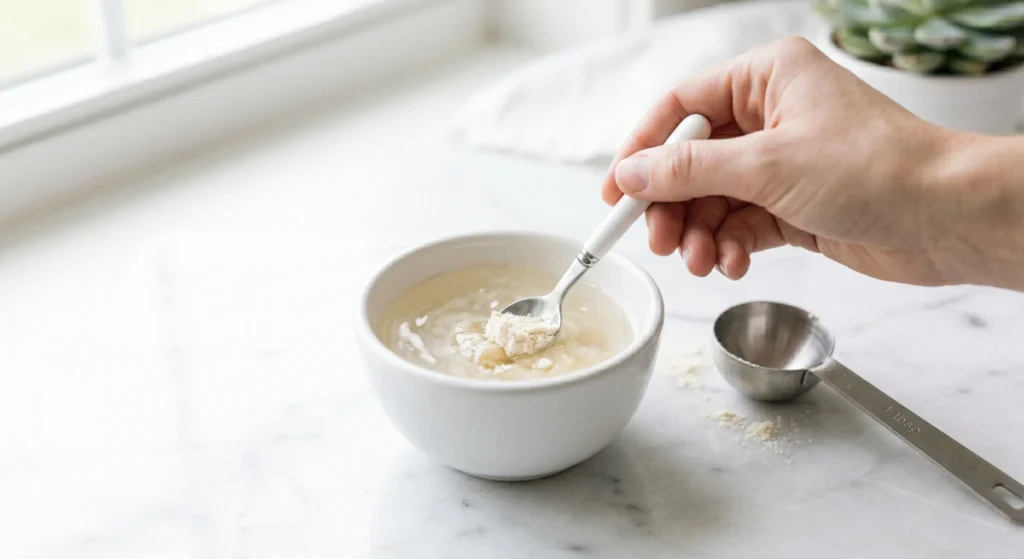
Stage 1 Bariatric Gelatin Recipe — Clear Liquid Phase (Days 1-14)
This is the most critical stage. The bariatric gelatin recipe for Stage 1 must be completely clear when held up to light — no cloudiness, no pulp, no added powder that creates opacity. The goal is hydration, minimal protein, and GI comfort.
| Stage 1 Ingredients (1 serving — 4 oz): 1 teaspoon unflavored gelatin powder (Knox or Great Lakes — NOT collagen peptides) 1/4 cup hot water (170F — not boiling) 1/4 cup unsweetened clear juice (apple, white grape, or diluted cranberry) Optional: 1/4 teaspoon electrolyte powder (unflavored, no coloring) Optional: pinch of Himalayan pink salt No protein powder in Stage 1 — stomach cannot handle the additional load |
Stage 1 Instructions
- Bloom: Sprinkle 1 teaspoon gelatin over 2 tablespoons cold water. Sit 3 minutes.
- Dissolve: Pour 1/4 cup hot water (170F) over bloomed gelatin. Whisk until clear — no lumps.
- Add juice: Stir in 1/4 cup clear, unsweetened juice. Mix well.
- Cool: Allow to reach room temperature or refrigerate until slightly thickened but still pourable.
- Sip slowly: Take small sips over 15-20 minutes. Do not rush. Total volume = 4 oz.
Protein per serving: ~3g | Calories: ~20 kcal | Volume: 4 oz
Frequency: Every 2-3 hours as tolerated, per your surgical team’s guidance
| Stage 1 Warning: Do NOT add protein powder, collagen, or whey in Stage 1 unless specifically approved by your surgical team. The goal at this stage is GI rest and hydration — not maximum protein. Protein loading begins in Stage 2. |
Stage 2 Bariatric Gelatin Recipe — Full Liquid + Soft Food Phase (Weeks 2-6)
Stage 2 is where the bariatric gelatin recipe becomes your primary protein delivery tool. Adding unflavored whey protein isolate transforms a simple gelatin preparation into a high-protein, easily digestible meal component that most post-op stomachs tolerate well.
| Stage 2 Ingredients (1 serving — 6 oz): 1 tablespoon unflavored gelatin powder 3 tablespoons cold water (for blooming) 1/2 cup hot water or low-sodium bone broth (170F) 1 scoop unflavored whey protein isolate (20-25g protein — dissolve in cold water BEFORE adding) 1/4 cup unsweetened juice or cooled herbal tea Optional: pinch Himalayan pink salt Optional: 1/4 tsp vanilla extract (if sweet version preferred) |
Stage 2 Instructions — Critical Step Order
- Dissolve protein first: Mix whey protein isolate powder with 3 tablespoons cold water until smooth. Set aside. This prevents clumping when added to warm gelatin.
- Bloom gelatin: Sprinkle gelatin over 3 tbsp cold water. Wait 5 minutes until spongy.
- Dissolve: Pour hot water or warm bone broth (170F) over bloomed gelatin. Whisk 45 seconds until clear.
- Add protein: Slowly whisk pre-dissolved protein mixture into the warm gelatin. Add gradually to prevent lumps.
- Add liquid: Stir in juice or herbal tea. Add salt and vanilla if using.
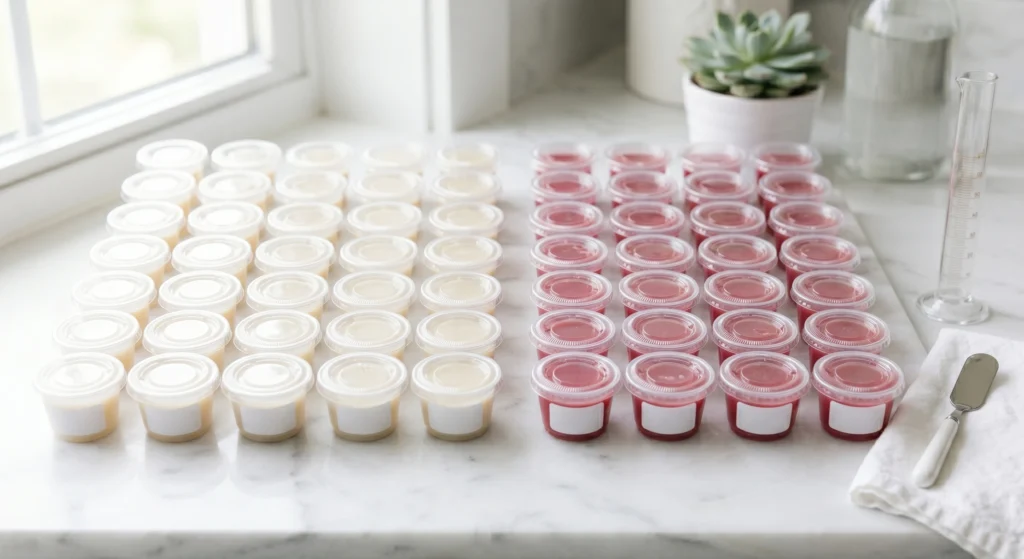
- Set: Pour into small silicone molds or 2 oz portion cups. Refrigerate 2-3 hours until firm.
- Serve: Unmold and eat slowly. Aim for 2-3 oz per sitting. Wait 30 minutes before drinking.
Protein per serving (with whey): ~26-28g | Calories: ~130-140 kcal | Volume: 6 oz
Frequency: 2-3 times per day as part of structured protein rotation, Read more about bariatric surgery diet stages.
| Why bone broth works well in Stage 2: Low-sodium bone broth adds collagen peptides, electrolytes, and a savory depth that makes the bariatric gelatin recipe more satisfying as a meal component. It also contributes an additional 3-5g of protein. Use unseasoned, low-sodium versions only. |
Stage 3 Bariatric Gelatin Recipe — Long-Term Weight Loss Version (Week 6+)
Stage 3 is where the bariatric gelatin recipe shifts from recovery tool to long-term weight management habit. This version is more flavorful, slightly higher in protein, and designed for sustainable daily use.
| Stage 3 Ingredients (1 serving — 8 oz): 1.5 tablespoons unflavored gelatin powder 3 tablespoons cold water (for blooming) 3/4 cup hot liquid (bone broth, green tea, or hibiscus tea — 170F) 1 scoop unflavored whey protein isolate OR collagen protein powder (25g protein) 1/4 cup unsweetened cranberry or pomegranate juice 1 teaspoon lemon juice Optional: 1/4 tsp cinnamon (blood sugar support) Optional: pinch Himalayan pink salt |
Stage 3 Instructions
- Pre-dissolve protein: Mix protein powder with 3 tbsp cold water until smooth. Set aside.
- Bloom: Sprinkle gelatin over 3 tbsp cold water. Wait 5 minutes.
- Dissolve: Pour 3/4 cup hot liquid (170F) over bloomed gelatin. Whisk 1 minute until clear.
- Add protein: Whisk in pre-dissolved protein mixture slowly.
- Add flavor: Stir in juice, lemon, and optional cinnamon and salt.
- Mold: Pour into silicone molds or 8×8 glass dish for cubes.
- Refrigerate: Chill 3-4 hours. Cut into cubes for portion-controlled snacking.
- Use: Eat 3-4 cubes before meals as a pre-meal protein and satiety tool — exactly like the gelatin trick, but bariatric-optimized.
Protein per serving: ~28-32g | Calories: ~145-160 kcal | Volume: 8 oz
Weekly batch: Multiply by 4 — makes enough for twice-daily use for 2 days. Make every 2 days.
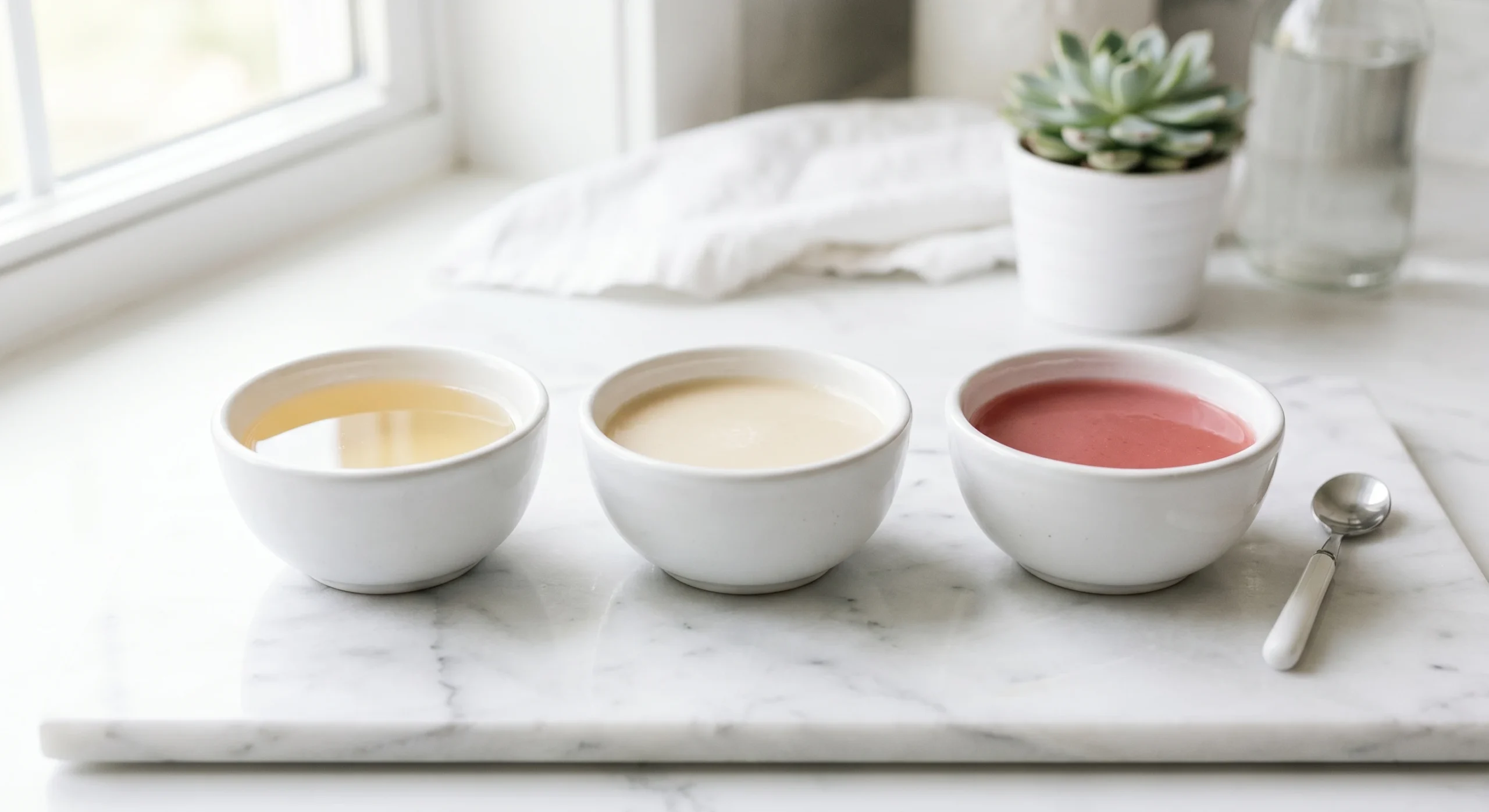

Bariatric Gelatin Recipe (Stage 2 High-Protein Version)
Ingredients
Equipment
Method
- Mix the whey protein isolate with 3 tablespoons of cold water until completely smooth. Set aside.
- Sprinkle the gelatin over 3 tablespoons of cold water and let it bloom for 5 minutes until spongy.
- Pour the hot water or warm bone broth over the bloomed gelatin and whisk for about 45 seconds until fully dissolved and clear.
- Slowly whisk the pre-dissolved protein mixture into the warm gelatin, adding it gradually to avoid lumps.
- Stir in the juice or herbal tea along with the optional salt and vanilla extract.
- Pour the mixture into small silicone molds or 2-ounce portion cups.
- Refrigerate for 2 to 3 hours until fully set and firm.
- Serve slowly, eating 2–3 ounces at a time and waiting 30 minutes before drinking liquids.
Notes
Macro Comparison — All 3 Bariatric Gelatin Recipe Versions
| Version | Protein | Calories | Volume | Stage |
| Stage 1 (Clear) | ~3g | ~20 kcal | 4 oz | Days 1-14 |
| Stage 2 (Full Liquid) | ~26-28g | ~130-140 kcal | 6 oz | Weeks 2-6 |
| Stage 3 (Long-term) | ~28-32g | ~145-160 kcal | 8 oz | Week 6+ |
What to NEVER Use in a Bariatric Gelatin Recipe
These are the most common mistakes that cause GI distress, dumping syndrome, or failed gel formation in post-bariatric patients:
- Sweetened Jell-O mixes: Added sugar triggers dumping syndrome in many post-bariatric patients. The sucrose content also prevents the recipe from meeting bariatric nutritional standards. Always use unflavored gelatin powder only.
- Collagen peptides instead of gelatin: Collagen peptides are fully hydrolyzed and will not gel. They provide protein but eliminate the satiety gel mechanism. Use unflavored gelatin powder that gels when cooled.
- Boiling water: Temperatures above 85C destroy gelatin’s gelling proteins. Your bariatric gelatin recipe will not set properly. Use hot water at 170F — hot enough to dissolve, not hot enough to destroy.
- High-sugar juices: Orange juice, apple juice cocktails, and grape juice cocktails contain high fructose corn syrup that can trigger dumping syndrome. Use 100% unsweetened juice only — and in small quantities.
- Carbonated liquids: Gas from carbonation stretches the post-op stomach and causes significant discomfort. Never use sparkling water or carbonated beverages as the liquid base.
- Fresh pineapple, kiwi, or mango juice: These fruits contain proteolytic enzymes (bromelain and actinidin) that break down gelatin’s protein chains and prevent setting. Use only enzyme-free liquids.
- Artificial sweeteners in excess: While small amounts are generally acceptable, high quantities of sugar alcohols (sorbitol, maltitol) can cause osmotic diarrhea in post-bariatric patients. Use stevia or monk fruit in minimal quantities if sweetening is needed.
Bariatric Gelatin Recipe vs. Regular Gelatin Trick — Key Differences
Many post-bariatric patients discover the viral gelatin trick and wonder whether they can use the standard recipe. Here is the honest comparison:
| Bariatric Version | Classic Gelatin Trick | |
| Protein per serving | 26-32g (with protein powder) | 6g (gelatin only) |
| Volume per serving | 4-8 oz (staged) | 8-12 oz |
| Sugar content | Zero — critical post-op | Low (depends on juice) |
| Protein powder | Yes — essential | No |
| Gelatin amount | 1-1.5 tbsp (higher ratio) | 1 tbsp standard |
| Primary goal | Protein delivery + gut healing | Pre-meal appetite control |
| Stage-specific | Yes — 3 versions | One standard version |
| Medical context | Post-bariatric surgery | General wellness |
The Bottom Line: Bariatric Gelatin Recipe — A Former Nurse’s Honest Assessment
The bariatric gelatin recipe is one of the most practical and clinically sound tools in post-bariatric nutrition — when used correctly and at the right stage of recovery.
It is not a miracle. It will not replace your full protein requirement alone. It will not work without medical supervision and a complete post-bariatric nutrition plan from your surgical team and registered dietitian.
What it will do: provide easily digestible, high-protein nutrition in the small volumes your healing stomach can accommodate, support gut healing through glycine and collagen, contribute to hydration, and — in Stage 3 — serve as an effective pre-meal satiety tool for long-term weight management.
The key to success is the protein powder addition in Stage 2 and beyond. Plain gelatin alone delivers 6g of protein per tablespoon — enough for general wellness use but insufficient for post-bariatric protein targets. Adding 20-25g of unflavored whey protein isolate transforms the bariatric gelatin recipe into a genuine high-protein recovery food.
| My clinical recommendation: Stage 1: Use the clear liquid version for hydration and GI comfort. Stage 2: Add protein powder and transition to twice-daily use as your primary protein vehicle. Stage 3: Shift to the long-term weight loss version and use it as a pre-meal satiety tool. Always confirm each transition with your bariatric team. |
— Sarah Hayes, Former Pediatric Nurse & Founder of Gelatin Wellness
Frequently Asked Questions
What is a bariatric gelatin recipe?
A high-protein, sugar-free gelatin preparation specifically designed for post-bariatric surgery patients. It combines unflavored gelatin powder with protein powder and sugar-free liquids to deliver 20-30g of protein in a small, easily digestible volume.
Can I eat gelatin after bariatric surgery?
Yes — unflavored gelatin is one of the most well-tolerated foods at all stages of post-bariatric recovery. It is clear-liquid stage compatible, easy to digest, and highly customizable for protein content. Always confirm with your surgical team.
How much protein does a bariatric gelatin recipe have?
Stage 1 (clear liquid): ~3g. Stage 2 (with protein powder): 26-28g. Stage 3 (long-term): 28-32g. The protein content depends entirely on whether and how much protein powder is added.
What protein powder is best for bariatric gelatin recipe?
Unflavored whey protein isolate is the best choice — highest protein density, lowest lactose, and most neutral flavor for cooking. Unflavored collagen protein powder is a good alternative. Avoid flavored protein powders, which may contain sugars or artificial sweeteners in quantities that cause GI distress post-op.
Can I use regular Jell-O for a bariatric gelatin recipe?
No. Flavored Jell-O contains added sugars that can trigger dumping syndrome in post-bariatric patients. It also has artificial colors, flavors, and insufficient protein. Always use unflavored gelatin powder only.
When can I start the bariatric gelatin recipe after surgery?
Stage 1 version (clear liquid) can begin on day 1-2 post-op once your surgical team approves clear liquids. Stage 2 version (with protein powder) begins when your team clears full liquids — typically week 2. Always follow your specific surgeon’s protocol.
Is the bariatric gelatin recipe the same as the viral gelatin trick?
Related but different. The classic gelatin trick uses 1 tbsp gelatin in 8-12 oz of liquid for pre-meal appetite control. The bariatric gelatin recipe uses higher gelatin concentration, added protein powder, sugar-free liquids, and smaller volumes specifically designed for post-bariatric nutritional needs.
How do I prevent clumping when adding protein powder to gelatin?
Always pre-dissolve the protein powder in cold water before adding it to the warm gelatin mixture. Never add dry protein powder directly to warm liquid — it will clump immediately. The pre-dissolve step is non-negotiable for a smooth bariatric gelatin result.
| Medical Disclaimer This article is for informational and educational purposes only. It is not intended as medical advice, diagnosis, or treatment. Post-bariatric surgery nutrition requires individualized medical supervision. Always follow the dietary protocols established by your bariatric surgical team and registered dietitian. This recipe guide is educational and does not replace professional medical care. Results may vary. |
© 2026 Gelatin Wellness — gelatinwellness.com | Author: Sarah Hayes