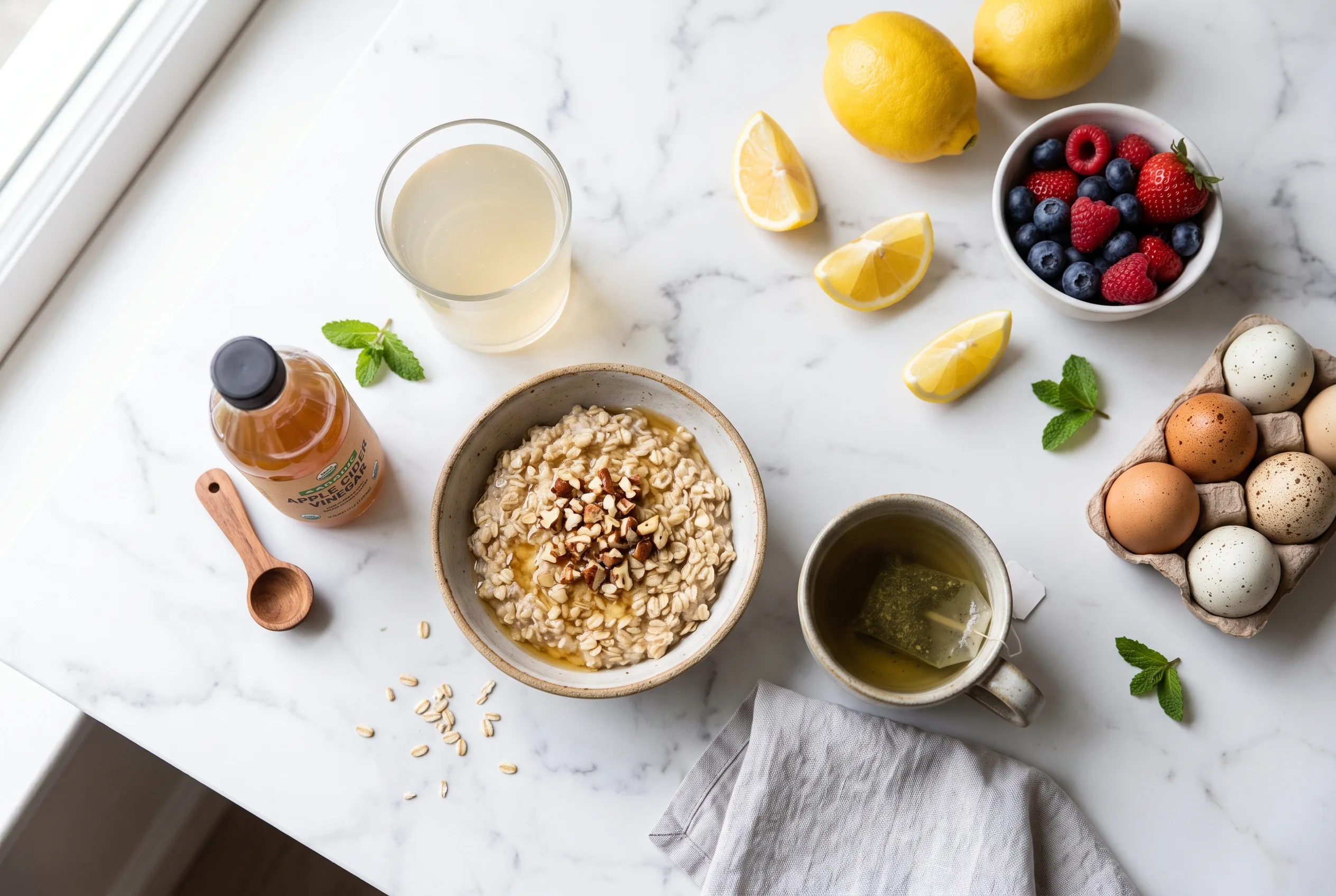
Natural Ozempic: The Proven Complete Guide to Food-Based GLP-1 Support (2026)
Natural ozempic is one of the most searched wellness terms of 2026 — and one of the most misunderstood. The phrase describes a growing category of food-based strategies designed to stimulate the same satiety hormone that prescription weight loss medications like Ozempic, Wegovy, and Mounjaro are engineered to activate. The hormone is GLP-1. The food-based strategies are real. The results, when approached honestly, are meaningful — and completely different from what a prescription injection delivers.
This guide is the most complete resource on natural ozempic available outside of a medical journal. It covers what GLP-1 actually is, why it matters for appetite and weight management, the 7 most evidence-supported natural GLP-1 boosters, the gelatin-based natural ozempic drink that went viral in June 2026, an honest comparison with prescription Ozempic, and a practical daily protocol you can start today.
If you are looking for the natural ozempic drink recipe specifically, you will find it in the gelatin section below — with a direct link to our complete recipe guide. If you want to understand the full picture of food-based GLP-1 support first, read this guide from start to finish.
Table of Contents
Table of Contents
What Is Natural Ozempic? The Honest Definition
Natural ozempic is not a product, a supplement, or a trademarked protocol. It is a shorthand term — coined on TikTok in late 2024 and now used widely — to describe foods, drinks, and dietary strategies that naturally stimulate GLP-1 production in the body.
The term became popular because Ozempic (semaglutide) dominated health conversations from 2023 through 2026 as one of the most effective weight loss medications ever approved. As millions of people began using GLP-1 medications, millions more began asking the obvious question: can you get the same effect from food?
The honest answer is: partly. Food-based GLP-1 stimulation is real, documented in peer-reviewed research, and meaningful for appetite control. It is not equivalent to pharmaceutical GLP-1 receptor activation. Prescription GLP-1 medications work at a pharmacological level that food cannot match. But for the majority of people who want food-based appetite support — whether or not they use or have used prescription GLP-1 medications — the natural ozempic approach delivers real, compounding benefits with no side effects and no prescription required.
What Is GLP-1 and Why Does It Matter?
GLP-1 — glucagon-like peptide-1 — is a hormone produced by L-cells in your small intestine every time you eat. It performs three key functions that make it central to both appetite management and blood sugar control.
GLP-1’s three main functions
First, GLP-1 signals the brain to reduce hunger. It activates satiety receptors in the hypothalamus, reducing appetite and calorie intake at the following meal. Second, it slows gastric emptying — the rate at which food leaves your stomach — extending the feeling of fullness after eating. Third, it stimulates insulin release from the pancreas in response to meals, supporting blood sugar regulation.
These three mechanisms are why GLP-1 medications became the most sought-after weight loss intervention of the 2020s. Ozempic and Wegovy (semaglutide) and Mounjaro and Zepbound (tirzepatide) work by pharmacologically activating GLP-1 receptors at a level sustained throughout the week — far beyond what any single meal can achieve.
Why natural GLP-1 stimulation still matters
Natural GLP-1 production is transient — it spikes after eating and falls between meals. The goal of natural ozempic strategies is to maximize that natural spike by delivering the right nutrients at the right time. The result is a stronger, longer satiety signal after each meal, without any pharmacological intervention.
For people not using prescription GLP-1 medications, natural ozempic strategies are the most evidence-supported food-based approach to appetite control available. For people currently on prescription GLP-1 medications, natural GLP-1 foods can support gut health, protein intake, and the dietary habits that determine long-term success after the medication period ends. For the full science behind the results, see our guide: does the gelatin trick work.
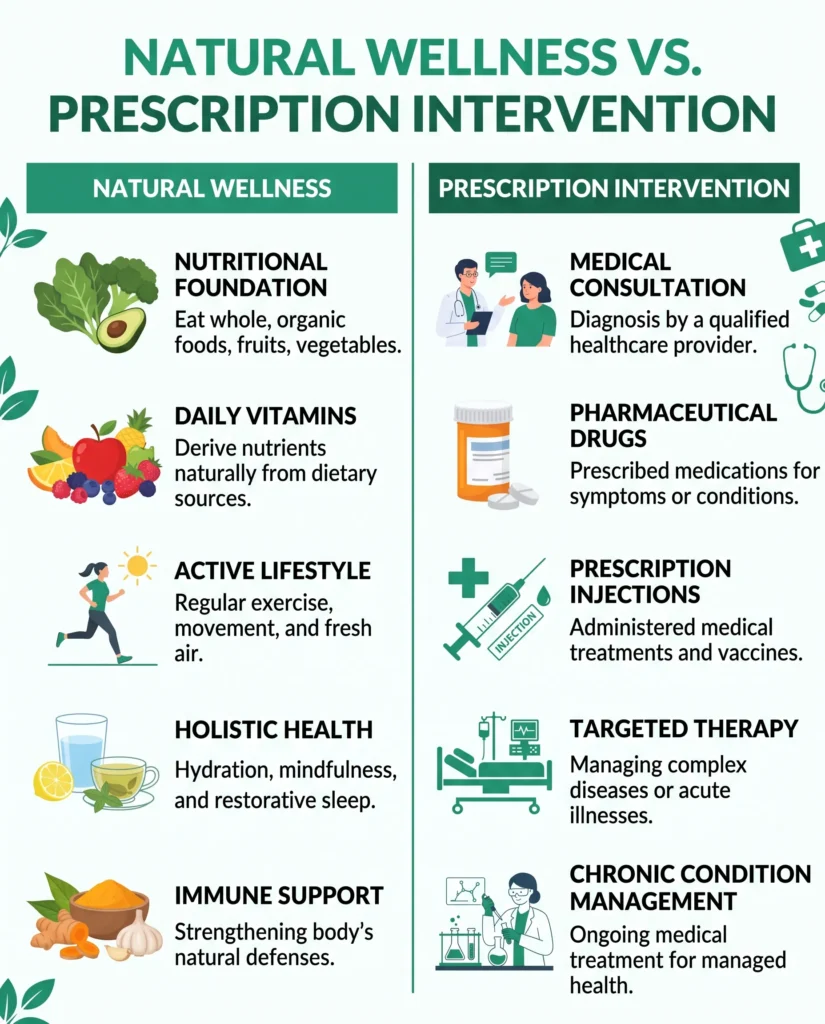
Natural Ozempic vs. Prescription Ozempic: Honest Comparison
Before going further, the most important comparison in this guide — because the difference affects every realistic expectation you should have about natural ozempic strategies.
| Factor | Natural Ozempic (Food) | Prescription Ozempic |
| Mechanism | Stimulates natural GLP-1 production | Pharmacologically activates GLP-1 receptors |
| GLP-1 level increase | Modest (food-range: 9.7–42 pmol/L) | Sustained pharmacological dose (65 ng/mL+) |
| Cost | ~$0.50–2.00/day (food) | $800–1,200/month |
| Prescription | None required | Required |
| Side effects | None at standard food doses | Nausea, vomiting, hair loss common |
| Weight loss speed | Gradual (weeks to months) | Rapid (weeks) |
| Long-term safety | Strong — whole food based | Under continued study |
| Best for | Daily food habit, appetite support | Medically supervised weight management |
The key number from the comparison above: food-based GLP-1 strategies produce GLP-1 concentrations of approximately 9.7 to 42 pmol/L. Prescription semaglutide at its lowest therapeutic dose produces sustained concentrations approximately 470 times higher. This is why natural ozempic strategies support appetite control but do not replicate prescription outcomes. Both approaches work — through the same hormone — at completely different levels. For a deeper comparison of gelatin-based approaches and GLP-1 medications, see our gelatin trick vs natural mounjaro guide.
The 7 Most Proven Natural Ozempic Foods and Strategies
These are the 7 food-based GLP-1 strategies with the most consistent peer-reviewed evidence behind them, ranked by the strength and volume of supporting research.
1. Gelatin — The Natural Ozempic Drink Foundation
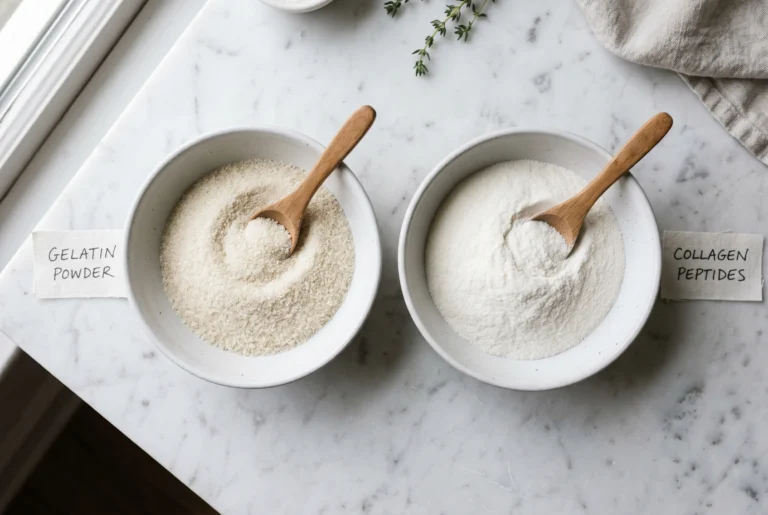
Gelatin is the richest common dietary source of glycine — approximately 27 percent of its amino acid content. Glycine has documented peer-reviewed nutritional research showing it stimulates intestinal L-cells. When consumed as a warm drink 20 to 30 minutes before a meal, dissolved gelatin also forms a physical gel in the stomach, creating volume and stimulating stretch receptors that send additional satiety signals to the brain.
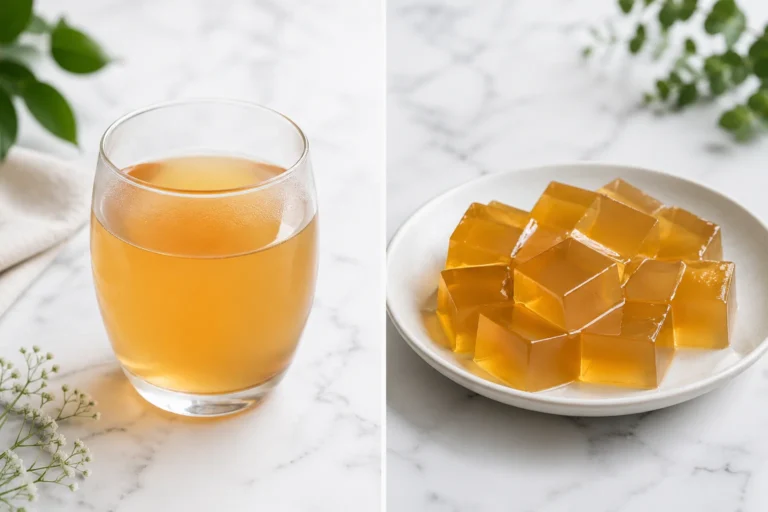
The natural ozempic drink — gelatin dissolved with apple cider vinegar and lemon juice — is the most popular food-based natural ozempic strategy in 2026, covered by Fox News, TODAY.com, and dozens of wellness publications in June 2026. For the complete natural ozempic drink recipe with 3 variations. For the complete GLP-1 gelatin recipe with 3 variations.
2. Beta-Glucan Oats and Barley
Beta-glucan is a soluble fiber found in high concentrations in oats and barley. Multiple studies confirm that beta-glucan delays gastric emptying and promotes GLP-1 secretion from intestinal L-cells. The mechanism works through SCFA production — gut bacteria ferment beta-glucan into short-chain fatty acids, which then directly stimulate GLP-1 release. A bowl of oats or barley in the morning is one of the simplest and best-supported natural ozempic strategies available.
3. Legumes — Beans, Lentils, and Chickpeas
Legumes deliver a combination of soluble fiber, resistant starch, and plant protein that collectively stimulates GLP-1 release through multiple pathways. Their fiber supports SCFA production. Their protein provides direct amino acid triggers for GLP-1 secretion. Regular consumption of legumes is consistently associated with improved satiety scores and favorable metabolic markers in dietary research. Multiple studies confirm that beta-glucan delays gastric emptying and promotes GLP-1 secretion.
4. High-Protein Foods
Protein is one of the strongest natural triggers for GLP-1 secretion from intestinal cells. Among protein sources, whey protein has the most direct evidence for GLP-1 stimulation, but lean meats, eggs, Greek yogurt, and cottage cheese all stimulate meaningful GLP-1 responses. Combining gelatin — which is high in glycine and arginine specifically — with other dietary protein sources creates a stacking effect on natural GLP-1 production throughout the day.
5. Green Tea (EGCG)
Green tea contains EGCG — epigallocatechin gallate — a catechin shown in multiple studies to independently stimulate GLP-1 secretion and slow gastric emptying. This is why the green tea variation of the natural ozempic drink is considered the most GLP-1-optimized version — it stacks EGCG’s effect on top of gelatin’s glycine. One to two cups of green tea daily, particularly before meals, is a simple way to add a natural GLP-1 signal to your routine.
6. Apple Cider Vinegar
Apple cider vinegar’s acetic acid slows gastric emptying, extending the satiety window of meals. It also supports post-meal blood sugar stability by reducing the glycemic spike that follows carbohydrate consumption, which in turn reduces the appetite rebound that follows blood sugar drops. ACV does not directly stimulate GLP-1 production but amplifies the satiety effect of other natural ozempic strategies — which is why it is included in the natural ozempic drink recipe.
7. Polyphenol-Rich Foods
Polyphenols — found in berries, dark chocolate, turmeric, and colorful vegetables — support GLP-1 production through anti-inflammatory gut pathways and by inhibiting DPP-4, an enzyme that breaks down GLP-1 after secretion. Curcumin from turmeric and anthocyanins from berries show the most consistent evidence. Adding a handful of berries to breakfast or using turmeric in cooking is a low-effort way to extend the duration of natural GLP-1 activity after meals.
The Natural Ozempic Protocol: A Practical Daily Framework
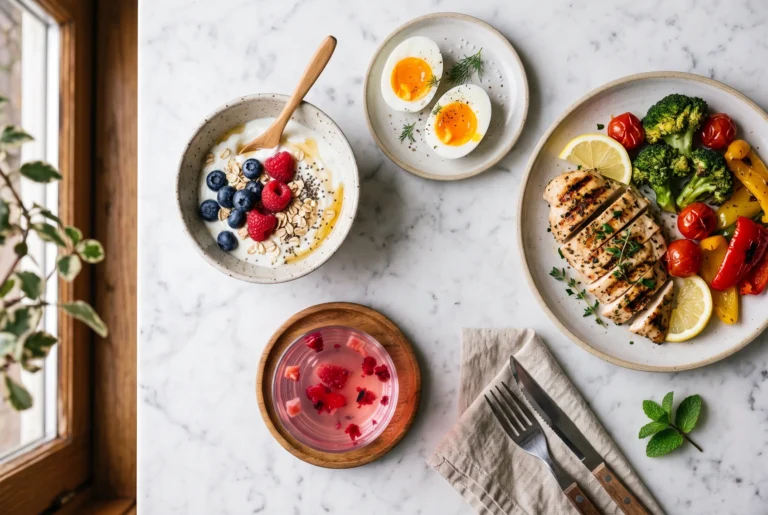
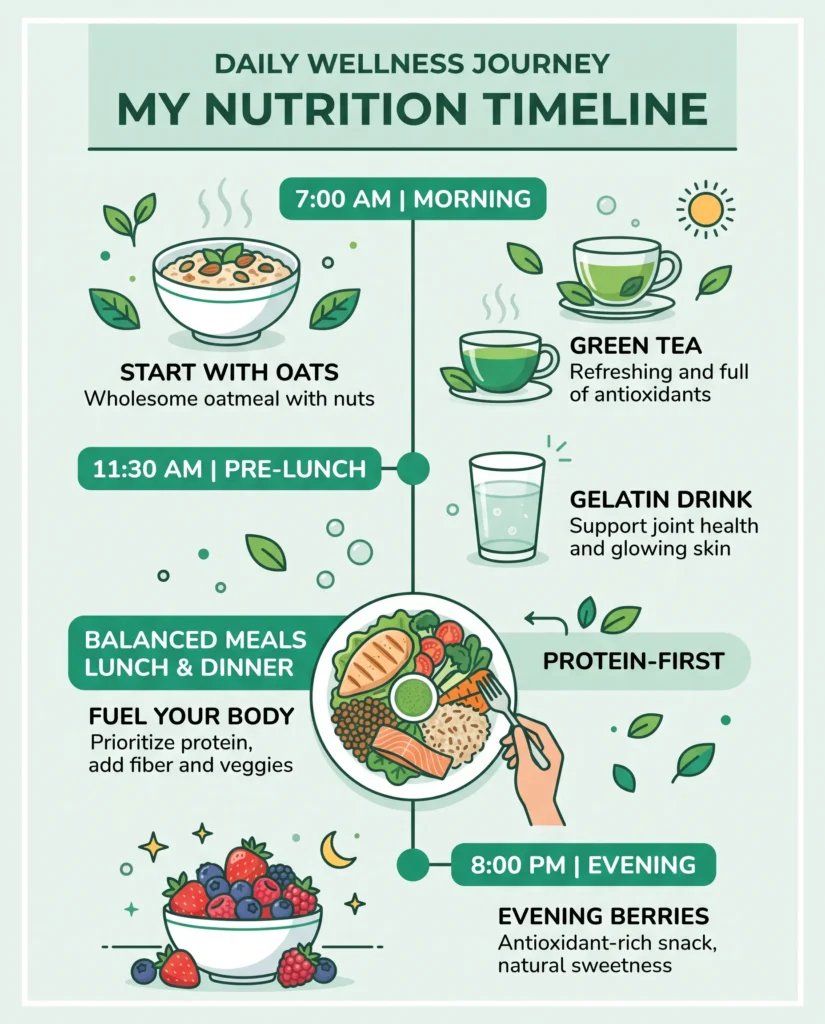
The most effective approach to natural ozempic strategies is not choosing one food but stacking multiple GLP-1 triggers across the day at strategic timing points. Here is a practical daily framework that combines the 7 evidence-supported strategies above.
Morning — GLP-1 foundation
Start with oats or barley with berries for beta-glucan and polyphenol GLP-1 support. Add 1 to 2 cups of green tea alongside breakfast for EGCG. This sets your GLP-1 baseline for the morning.
Before lunch — Natural ozempic drink
Take the natural ozempic drink 20 to 30 minutes before your largest meal. One tablespoon of unflavored gelatin dissolved in warm water with apple cider vinegar and fresh lemon juice. This is the most targeted GLP-1 stimulation window in the day — glycine reaches your small intestine during the pre-meal window and triggers a GLP-1 response before you begin eating. Follow the gelatin trick complete guide for the exact preparation method.
Lunch and dinner — Protein-first structure
Lead every meal with a high-protein food before adding carbohydrates. Greek yogurt, eggs, lean meat, fish, legumes, or cottage cheese all trigger meaningful GLP-1 secretion. Eating protein first at each meal has been shown to maximize GLP-1 response compared to eating carbohydrates first.
Between meals — Polyphenol support
Dark chocolate (70%+ cacao), turmeric tea, or a small serving of berries between meals supports DPP-4 inhibition — extending the active window of GLP-1 produced during meals.
Natural Ozempic for People Currently on GLP-1 Medications
If you are currently taking Ozempic, Wegovy, Mounjaro, or another GLP-1 medication, natural ozempic strategies serve a different but important purpose.
Supporting nutrition during appetite suppression
GLP-1 medications reduce appetite by 70 to 80 percent in many users. Research from the STEP 1 trial found that approximately 40 percent of weight lost on semaglutide can come from lean muscle mass rather than fat when protein intake is not maintained. Gelatin, Greek yogurt, eggs, and legumes — all natural GLP-1 supporters — are also some of the easiest high-protein foods to consume in small portions when appetite is severely reduced.
Preparing for after the medication period
Rebound weight gain after stopping prescription GLP-1 medications is a documented concern. Building natural ozempic food habits during the medication period creates the dietary infrastructure that supports maintaining results afterward. The natural ozempic protocol above is designed to work both alongside medication and as a standalone approach.
Gut health support
Gelatin’s glycine and proline support gut lining integrity, which can help manage some of the digestive side effects — particularly constipation and gastroparesis — that affect GLP-1 medication users. Always consult your prescribing physician before adding any new dietary protocol alongside prescription medications.
Natural Ozempic Results: What to Realistically Expect
For people not using prescription GLP-1 medications
With consistent daily use of the natural ozempic protocol — particularly the pre-meal gelatin drink — most people report noticeable reductions in meal portion size within 7 to 14 days. The effect is not dramatic appetite suppression. It is a consistent, gentle reduction in how much you eat at each meal that accumulates into meaningful calorie reduction over weeks and months. Weight loss results vary widely depending on overall dietary quality, activity level, and consistency.
For people comparing to prescription outcomes
Natural ozempic food strategies will not replicate the dramatic weight loss speed of prescription GLP-1 medications. They are not designed to. They are designed to support your body’s own GLP-1 system at a food-appropriate level — sustainable indefinitely, with no side effects, and at a fraction of the cost. The comparison that matters is not natural ozempic versus prescription Ozempic. It is natural ozempic versus doing nothing to support your natural GLP-1 system.
Frequently Asked Questions
What is natural ozempic?
Natural ozempic is a shorthand term for food-based strategies that stimulate natural GLP-1 production in the body. GLP-1 is the same satiety hormone that prescription weight loss medications like Ozempic activate pharmacologically. Natural ozempic strategies — including the gelatin drink, oats, legumes, green tea, and protein-rich foods — stimulate GLP-1 through food at a modest but meaningful level.
Does natural ozempic actually work?
Yes, in a specific and honest sense. Food-based GLP-1 stimulation is documented in peer-reviewed research. The natural ozempic drink specifically has been covered by Fox News, GoodRx, and U.S. News & World Report as a legitimate food-based approach. The effect is modest compared to prescription medications but real and compounding with daily consistency.
What is the best natural ozempic food?
Gelatin is the most targeted natural ozempic food because it delivers glycine — the primary GLP-1-stimulating amino acid — in concentrated form, with the added benefit of forming a physical satiety gel in the stomach. Oats (beta-glucan), green tea (EGCG), and legumes are the next most evidence-supported options.
Can natural ozempic replace prescription Ozempic?
No. Prescription GLP-1 medications activate receptors at a pharmacological level that food cannot match. Natural ozempic strategies support your body’s own GLP-1 production at a food-appropriate level. They are not a substitute for medically supervised weight management when that is indicated. They are a meaningful daily food practice for anyone who wants food-based appetite support.
How long does natural ozempic take to work?
The natural ozempic drink has an immediate effect — glycine and the physical gel reach your small intestine and stomach within 20 to 30 minutes. The cumulative appetite control effect becomes clearly noticeable within 7 to 14 days of consistent daily use before meals.
What is the natural ozempic drink recipe?
The natural ozempic drink is made from one tablespoon of unflavored gelatin, one tablespoon of raw apple cider vinegar, fresh lemon juice, and warm water. Take it 20 to 30 minutes before your largest meal. See our complete natural ozempic drink recipe guide for the full method, three variations, and the science behind each ingredient.
Conclusion
Natural ozempic is not a miracle and not a scam. It is a collection of food-based strategies — anchored in the same GLP-1 biology that makes prescription Ozempic the most effective weight loss medication in modern medicine — that deliver real, modest, sustainable appetite support through what you eat.
The most effective entry point is the natural ozempic drink: one tablespoon of unflavored gelatin, apple cider vinegar, and lemon juice, taken 20 to 30 minutes before your main meal each day. Add oats at breakfast, protein first at every meal, green tea in the morning, and polyphenol-rich foods throughout the day, and you have the most complete food-based GLP-1 protocol available without a prescription.
Start with the natural ozempic drink for 30 days. Track your portion sizes. Notice what changes. That is the honest test of natural ozempic — and it is a test most people who try it consistently find worth continuing.