
Gut Healthy Foods List: 25 Best Foods for Digestion
A good gut healthy foods list does not need to be complicated or expensive. The foods that help your digestive system most are mostly familiar: yogurt, oats, beans, berries, onions and garlic, plus a few fermented foods such as kimchi and sauerkraut. What they have in common is that they feed or add helpful bacteria in your gut and supply plenty of fiber.
This guide gives you a practical gut healthy foods list of 25 foods, explains why each one helps, shows how much fiber they contain, adds a 7-day sample menu and covers the mistakes that cause bloating. As with our other guides, such as gelatin benefits and anti inflammatory breakfast ideas, we keep the claims realistic and flag where the evidence is limited.

Table of Contents
Table of Contents
Gut Healthy Foods List: Key Takeaways
- Fiber is the foundation: most adults get about half of the 25 to 38 grams a day that is recommended.
- Eat three kinds of gut foods: fiber-rich plants, prebiotic foods that feed good bacteria, and fermented foods that contain live cultures.
- Variety beats perfection: a diverse microbiome is linked to eating many different plant foods, ideally 30 or more per week.
- Go slowly: raise fiber over two to three weeks and drink more water to avoid gas and bloating.
- Personal differences matter: people with IBS or other digestive conditions may need to adjust, because some of these foods trigger symptoms.
- Not a cure: food supports digestion but does not replace medical care for ongoing symptoms.
What Makes a Food Good for Your Gut?
Your large intestine hosts trillions of bacteria, known together as the gut microbiome. They help digest fiber, make short-chain fatty acids that nourish the cells lining your colon, and interact with your immune system. A diet that feeds a diverse range of bacteria is linked in studies to better digestive health, though research is still evolving and no single food guarantees results.
The foods on a gut healthy foods list help in three main ways. Fiber adds bulk and feeds bacteria. Prebiotics are specific fibers and starches, such as inulin in onions and garlic, that selectively feed helpful bacteria. Probiotics are live bacteria found in fermented foods such as yogurt and kimchi. A third group, polyphenols in berries, tea and olive oil, are plant compounds that gut bacteria transform into beneficial substances. You can browse research on fermented foods and gut microbiome diversity to see how this research is developing.
Gut Healthy Foods List: 25 Foods to Eat More Often
| Category | Foods | Why they help |
|---|---|---|
| Fermented foods | Plain yogurt, kefir, kimchi, sauerkraut, miso, tempeh | Provide live cultures and may increase microbiome diversity |
| High-fiber legumes | Lentils, black beans, chickpeas, split peas | 10 to 16 g of fiber per cooked cup; feed bacteria |
| Whole grains | Oats, barley, quinoa, whole-grain bread | Beta-glucan and resistant starch support gut bacteria |
| Prebiotic vegetables | Garlic, onions, leeks, asparagus, Jerusalem artichoke | Rich in inulin, a prebiotic fiber |
| Fruits | Berries, bananas (slightly green), apples, pears, kiwi | Fiber, pectin and polyphenols |
| Seeds and nuts | Chia, flax, almonds, walnuts | Fiber, healthy fats and omega-3s |
| Leafy greens | Spinach, kale, arugula | Fiber, folate and plant compounds |
| Healthy fats | Extra virgin olive oil, avocado | Polyphenols and monounsaturated fats |
| Soothing extras | Bone broth, ginger tea | Warm, easy-to-digest fluids; ginger may ease nausea |
Fermented Foods for Gut Health

1. Plain yogurt with live cultures
Yogurt is the easiest fermented food from the gut healthy foods list to add to your day. Choose plain varieties labeled “live and active cultures” and sweeten them yourself with fruit. Flavored yogurts can contain as much sugar as dessert. Greek yogurt adds extra protein, which is why it appears in so many of our recipes, from the greek yogurt and jello recipe to breakfast bowls.
2. Kefir
Kefir is a drinkable fermented milk that typically contains a wider variety of bacteria and yeasts than yogurt. Have half a cup to a cup a day, on its own or blended into smoothies. Start with a small glass if you are new to it, because it can be strong.
3. Sauerkraut and kimchi
Fermented cabbage is rich in fiber, vitamin C and live bacteria. The label matters: shelf-stable, pasteurized sauerkraut has no live cultures. Look for products in the refrigerated section that list only cabbage, salt and spices. A forkful with meals is a good starting amount, since they can be salty.
4. Miso and tempeh
Miso is a fermented soybean paste used in soups, while tempeh is a firm, fermented soy cake that makes a good meat replacement. Miso is high in sodium, so it fits best as a flavoring. Do not boil miso, since high heat kills the live cultures.
5. Kombucha (with caution)
Kombucha is a fermented tea that contains live cultures, but many bottled versions are high in sugar and the research on health benefits is limited. If you enjoy it, choose a low-sugar option and keep it as an occasional drink rather than a gut remedy.
Evidence for fermented foods is promising. In a well-known 10-week trial from Stanford, adults who ate more fermented foods, around six servings a day by the end, showed greater microbiome diversity and lower levels of several inflammatory markers than a group eating more fiber. It was a small study, so treat it as encouraging, not conclusive.

High-Fiber Foods for Gut Health
Fiber is the single most important item on any gut healthy foods list. Adults are advised to aim for about 25 grams a day for women and 38 grams for men, yet average intake is closer to 15 grams. The table below shows where to find it. You can check the exact fiber content of any food in USDA FoodData Central.
| Food | Serving | Fiber (approx.) |
|---|---|---|
| Lentils, cooked | 1 cup | 15.6 g |
| Black beans, cooked | 1 cup | 15 g |
| Chickpeas, cooked | 1 cup | 12.5 g |
| Raspberries | 1 cup | 8 g |
| Chia seeds | 1 ounce (2 tbsp) | 10 g |
| Pear with skin | 1 medium | 5.5 g |
| Avocado | 1/2 medium | 5 g |
| Rolled oats, dry | 1/2 cup | 4 g |
| Whole-wheat bread | 1 slice | 2 to 3 g |

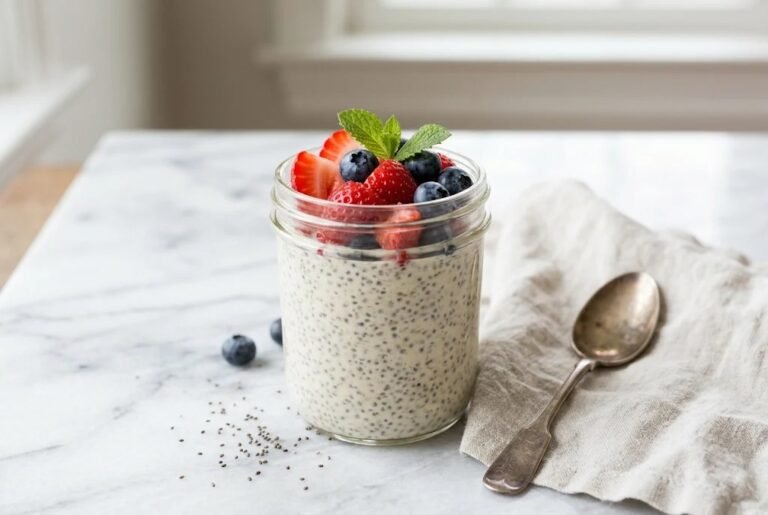
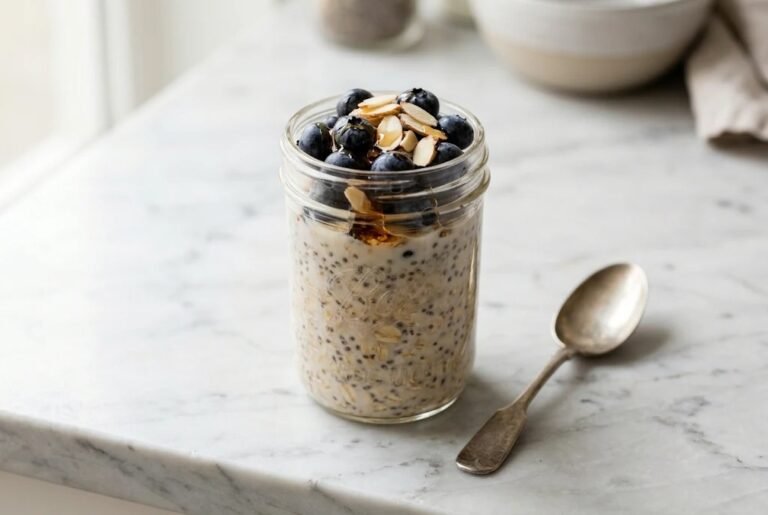
Easy ways to put your gut healthy foods list into practice include swapping white rice for barley or quinoa, adding a half cup of beans to soups and salads, and starting the day with oats. Our recipes for overnight oats with chia seeds and chia pudding pack 8 to 10 grams of fiber into a single breakfast.
Prebiotic Foods That Feed Good Bacteria

Prebiotics are fibers that humans cannot digest but that bacteria ferment. The best food sources are garlic, onions, leeks, asparagus, Jerusalem artichokes, chicory root, slightly under-ripe bananas, oats and barley. Cooking and cooling starchy foods such as potatoes and rice also creates resistant starch, another prebiotic, so leftover cold potato salad or reheated rice can be a gut-friendly choice.
Be aware that many prebiotic items on a gut healthy foods list are also high in FODMAPs, a group of carbohydrates that can trigger gas and pain in people with irritable bowel syndrome. If you have IBS, introduce them one at a time, and read the NIDDK guidance on eating, diet and nutrition for IBS before making big changes.
Gentle and Soothing Foods for the Gut
When your stomach is sensitive, warm and simple foods are usually best. Bone broth provides fluid, minerals and gelatin, which is gentle to digest, and our guide to gelatin benefits explains what the research does and does not show about its effects on the gut. A cup of ginger tea may calm nausea and bloating. Plain rice, bananas, oatmeal and cooked carrots are generally well tolerated during a flare-up.
Foods That Can Hurt Your Gut If You Overdo Them
- Ultra-processed foods: diets high in packaged snacks, sugary drinks and processed meats are linked with lower microbiome diversity.
- Added sugar and sweetened drinks: they feed less helpful microbes and add calories without fiber.
- Excess alcohol: heavy drinking irritates the gut lining and changes the microbiome.
- Very low-fiber diets: relying on white bread, pasta and meat means your gut bacteria go hungry.
- Some sugar substitutes: evidence is mixed, but large amounts of sugar alcohols such as sorbitol commonly cause gas and loose stools.
- Unnecessary antibiotics and supplements: only use them under medical advice.
A 7-Day Sample Menu Using the Gut Healthy Foods List
| Day | Breakfast | Lunch | Dinner |
|---|---|---|---|
| Mon | Overnight oats with chia and berries | Lentil soup with whole-grain bread | Baked salmon, roasted asparagus, quinoa |
| Tue | Greek yogurt with walnuts and pear | Chickpea and kale salad with olive oil | Stir-fried tempeh, vegetables and brown rice |
| Wed | Kefir smoothie with banana and spinach | Black bean bowl with avocado and sauerkraut | Chicken with roasted onions, garlic and sweet potato |
| Thu | Oatmeal with flax and raspberries | Miso soup with tofu and vegetables, side of rice | Turkey chili with beans |
| Fri | Chia pudding with kiwi | Hummus and veggie wrap with a side of kimchi | Barley and mushroom stew |
| Sat | Veggie omelet with a side of berries | Tuna and white bean salad | Pasta with lentil sauce and a green salad |
| Sun | Whole-grain toast, avocado and egg | Leftover chili and a green salad | Roast vegetables, leeks and a lean protein of choice |
Look at how many different plants from the gut healthy foods list appear across the week. Aiming for around 30 different plant foods a week, counting vegetables, fruits, grains, beans, nuts, seeds and herbs, is a simple target that has been linked to a more diverse microbiome. For snack ideas that fit this plan, see our guide to healthy snacks for weight loss.
How to Add Gut Healthy Foods Without Bloating
- Increase fiber gradually by about 5 grams a week. A sudden jump from 15 to 35 grams can cause gas and cramps.
- Drink more water, since fiber absorbs fluid. About 8 cups a day is a reasonable guide.
- Start with small portions of fermented foods, such as a tablespoon of sauerkraut or a half cup of kefir.
- Chew slowly and eat regular meals so your digestive system has a predictable rhythm.
- Rinse canned beans and soak dried beans to reduce gas-producing compounds.
- Track symptoms for two weeks. If one food consistently bothers you, reduce it and try again later.
When to See a Doctor
A gut healthy foods list is for everyday digestion, not for diagnosing problems. See a healthcare professional if you have blood in your stool, black or tarry stools, unexplained weight loss, ongoing diarrhea or constipation lasting more than a few weeks, severe or persistent abdominal pain, difficulty swallowing, or a family history of bowel disease or colon cancer.
Frequently Asked Questions About the Gut Healthy Foods List
What are the best foods for gut health?
The best foods include plain yogurt and kefir, fermented vegetables such as sauerkraut and kimchi, beans and lentils, oats and whole grains, berries, garlic, onions, leeks and nuts and seeds. Variety is more important than any single food.
How long does it take to improve gut health with food?
Changes in the gut microbiome can begin within days of changing your diet, but lasting improvements usually take several weeks of consistent eating. Digestive comfort may improve before any measurable microbiome change.
Do I need a probiotic supplement?
Most healthy people do not need one. Fermented foods and a high-fiber diet are a better first step. A doctor may recommend specific probiotics for certain conditions, such as after antibiotics.
Why do gut healthy foods make me bloated?
Fiber and fermentable carbohydrates produce gas when bacteria break them down. Increase them slowly, drink water and consider a low-FODMAP approach under guidance if you have IBS.
Is yogurt good for your gut?
Plain yogurt with live and active cultures can be a good addition, as it contains beneficial bacteria. Avoid flavored yogurts that contain a lot of added sugar.
What foods should I avoid for a healthy gut?
Limit ultra-processed foods, sugary drinks, heavy alcohol use and diets that lack fiber. Individual triggers vary, so pay attention to your own symptoms.
Final Thoughts on the Gut Healthy Foods List
You do not need expensive supplements or a perfect diet to support your gut. Build your plate around the foods on this gut healthy foods list: something fermented every day, a fiber-rich plant at every meal, and a wide variety of colors across the week. Start by adding one new food from each category, increase fiber slowly, and be patient. Digestive health responds to steady habits, and small, consistent changes add up.
This article is for general information and is not medical advice. Talk to a healthcare professional if you have digestive symptoms, a medical condition or food allergies.



One Comment