Gelatin vs Collagen Peptides: 7 Proven Differences for Weight Loss
Gelatin vs collagen peptides — if you have spent any time in wellness circles, you have probably seen both recommended for weight loss, skin health, and gut support. They come from the same source, share nearly identical amino acid profiles, and cost completely different amounts. So which one should you actually use?
The honest answer is: it depends entirely on what you are trying to do. Gelatin and collagen peptides are not interchangeable — they behave differently in your body and in your cup, and the right choice depends on your specific goal. If you are using the gelatin trick for appetite control before meals, only one of them works. If you want to add protein to your morning coffee without changing the texture, only one of them works. This guide covers all 7 key differences so you can make the right choice for your situation.
Table of Contents
Table of Contents
Gelatin vs Collagen Peptides: What Are They?
Both gelatin and collagen peptides come from the same raw material — the connective tissue, skin, and bones of animals, typically bovine (beef) or porcine (pork). The difference is entirely in how they are processed after extraction.
What is gelatin?
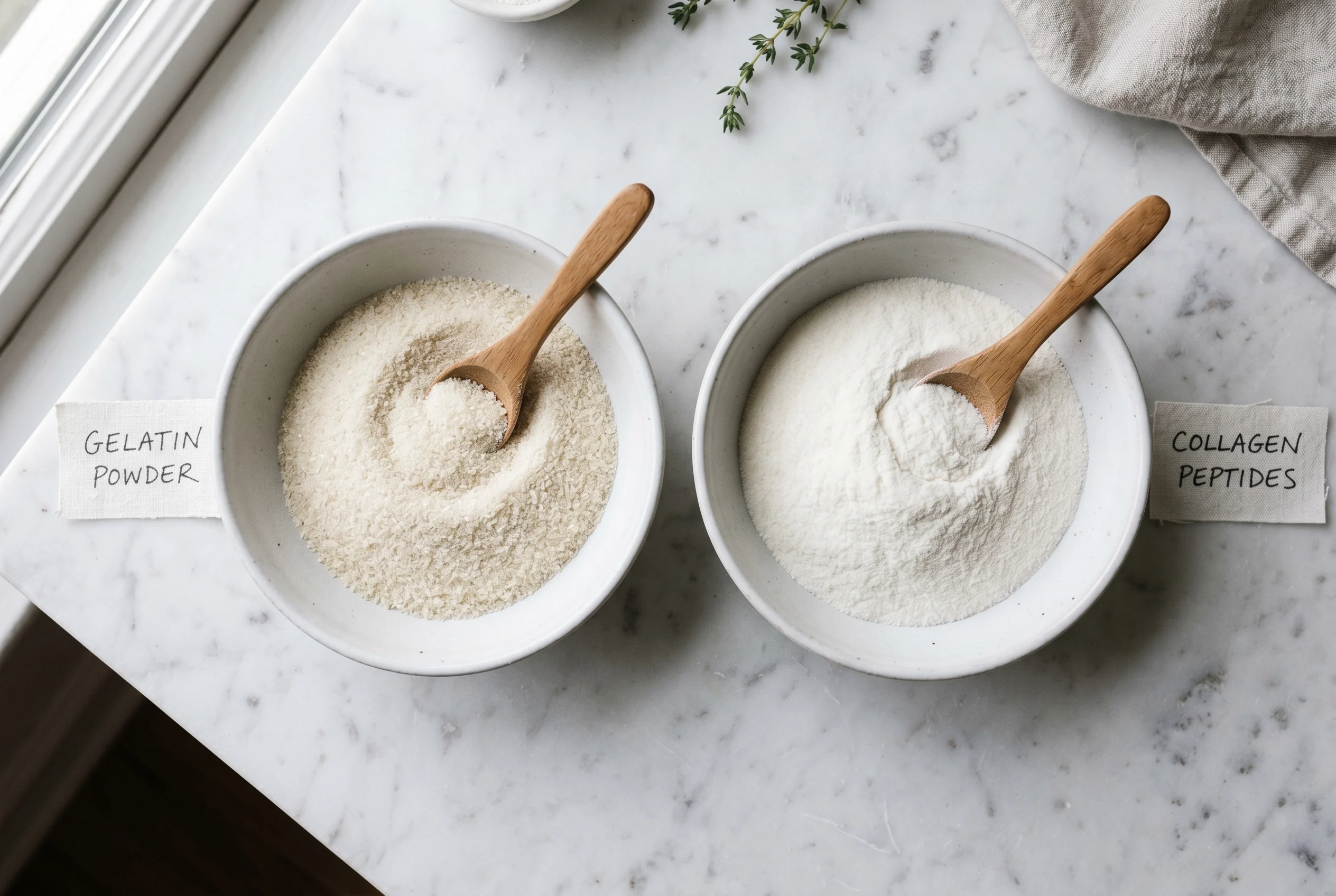
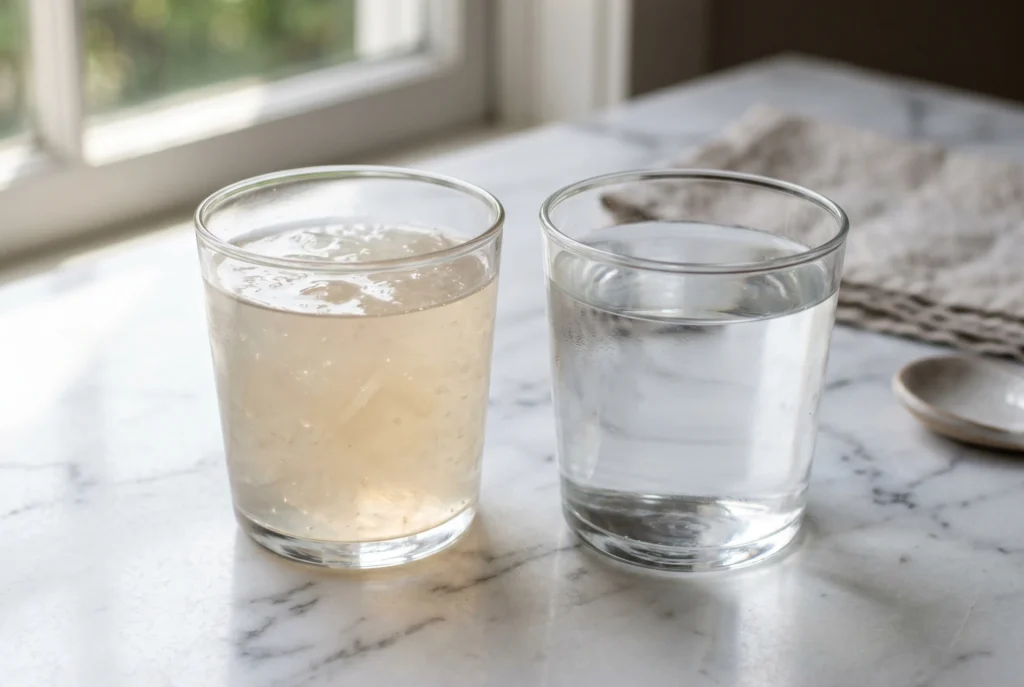
Gelatin is collagen that has been partially broken down through heat. When collagen-rich animal parts are boiled, the protein strands unravel and partially fragment. The result, when cooled, is a gel-forming powder. Gelatin dissolves only in warm or hot liquid and forms a firm gel when cooled. This gel-forming property is the key to how gelatin works for appetite control — and it is something collagen peptides cannot replicate.
What are collagen peptides?
Collagen peptides — also called hydrolyzed collagen — are processed one step further than gelatin. The protein chains are broken down into even smaller fragments through a process called hydrolysis. The result is a powder that dissolves instantly in hot or cold liquid without forming any gel. Collagen peptides stay completely smooth and liquid at any temperature, making them easy to add to coffee, smoothies, or yogurt without changing the texture or taste.
Same source, different behavior
Because both come from the same collagen source, their amino acid profiles are nearly identical — both are rich in glycine, proline, and hydroxyproline. The difference is not in nutrition on paper, but in how your body interacts with each one and what they do inside your cup and your stomach.
Gelatin vs Collagen Peptides: 7 Key Differences
Here is a side-by-side comparison of the 7 most important differences between gelatin and collagen peptides:
| Factor | Gelatin | Collagen Peptides |
| Processing | Partially hydrolyzed (heat) | Fully hydrolyzed (enzymatic) |
| Dissolves in | Hot liquid only (170°F+) | Hot or cold liquid |
| Gel-forming? | Yes — firms when cooled | No — stays liquid always |
| Absorption speed | 2–3 hours (larger molecules) | 30–60 min (smaller molecules) |
| Price | ~$0.25–0.40 per serving | ~$2.50–4.00 per serving |
| Best use | Gelatin trick, gummies, recipes | Coffee, smoothies, shakes |
| Weight loss mechanism | Stomach gel = satiety + GLP-1 | Protein only, no satiety gel |
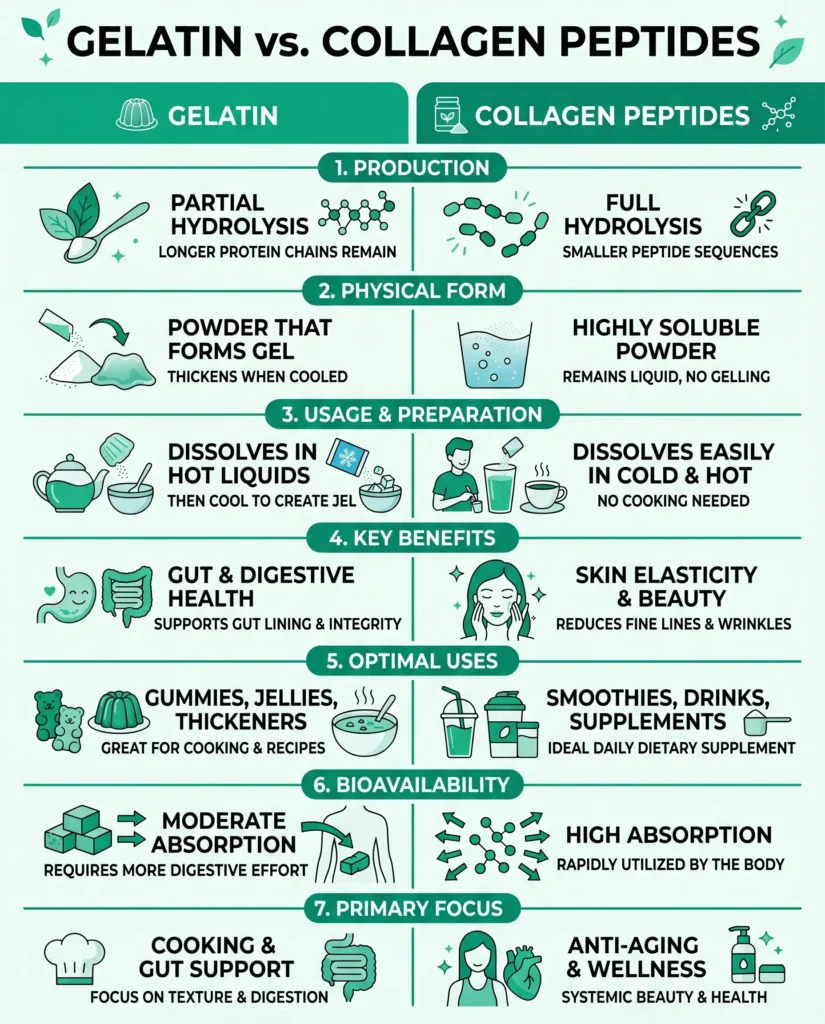
The 7 Differences Explained
1. Processing: How they are made
Gelatin is produced through partial hydrolysis — collagen is broken down with heat and water into medium-length protein chains. Collagen peptides undergo full hydrolysis, breaking those chains into very short peptide fragments. This extra processing step is what gives collagen peptides their cold-water solubility and faster absorption — but it also removes the gel-forming ability that makes gelatin uniquely useful for appetite control.
2. Solubility: What you can mix them into
Gelatin requires hot or warm liquid to dissolve — at least 140°F, ideally 170–185°F. If you add gelatin to cold liquid, it will clump and never fully dissolve. Once dissolved and cooled, it gels. Collagen peptides dissolve instantly in both hot and cold liquids, staying completely smooth and thin at any temperature. This makes collagen peptides significantly more convenient for daily supplementation in shakes or coffee.
3. Gel-forming: The satiety difference
This is the most important difference when it comes to the gelatin trick and weight loss. When you drink dissolved gelatin before a meal, it forms a soft gel in your stomach as it cools to body temperature. This physical gel creates volume, slows gastric emptying, and triggers satiety hormones — including GLP-1 and cholecystokinin. Collagen peptides cannot do this. They dissolve completely and stay liquid, providing protein but no physical satiety effect. If you are using the gelatin trick before meals for appetite control, collagen peptides will not work as a substitute.
4. Absorption: Which gets into your bloodstream faster
Collagen peptides win on absorption speed. Their smaller molecular size means they typically appear in blood plasma within 30 to 60 minutes after consumption. Gelatin’s larger protein chains take 2 to 3 hours to reach peak absorption levels. For skin collagen synthesis and joint support — where you want amino acids in circulation quickly — collagen peptides have a meaningful advantage. For appetite control before a meal, gelatin’s slower digestion is actually beneficial, as the physical gel effect is what matters, not absorption speed.
5. Price: The cost difference is significant
Gelatin is substantially more affordable than collagen peptides. A serving of unflavored gelatin (one packet, 7 grams) costs approximately $0.25 to $0.40. A comparable serving of quality collagen peptides typically costs $2.50 to $4.00 per serving. That is a 10 to 12 times price difference for products that share nearly identical amino acid profiles. For daily use in the gelatin trick routine, gelatin is the clear value choice.
6. Best use cases: Where each one belongs
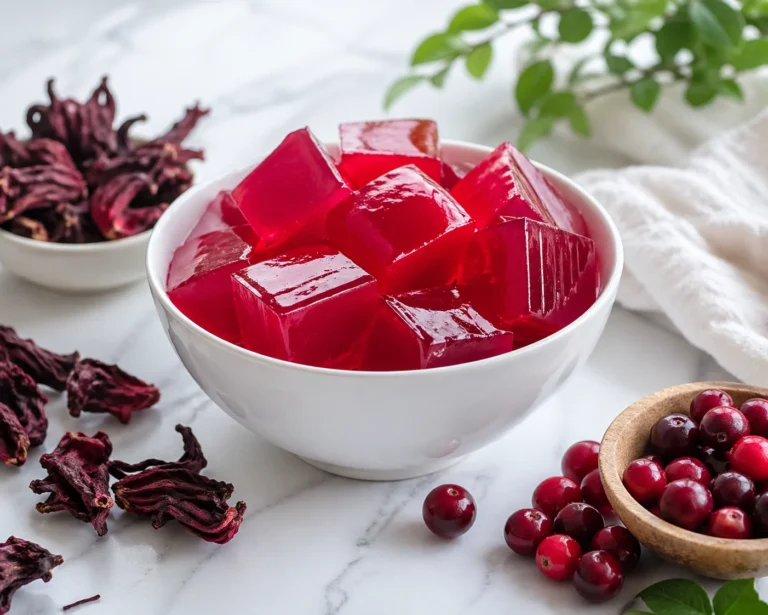
Gelatin belongs in: the gelatin trick before meals, homemade gummies and collagen snacks, recipes that require gelling (panna cotta, aspic, jello-style desserts), bone broth-style protein boosts.
Collagen peptides belong in: morning coffee or tea (invisible protein addition), cold smoothies and protein shakes, yogurt and oatmeal, any situation where you want protein without changing texture or requiring hot liquid.
7. Weight loss mechanism: Different pathways
For weight management specifically, gelatin and collagen peptides work through different mechanisms. Gelatin’s physical gel in the stomach creates a satiety effect before meals — this is the mechanism behind the gelatin trick. Collagen peptides contribute protein that supports muscle maintenance and basal metabolic rate, but they do not create the pre-meal satiety effect. If your goal is appetite control before meals, gelatin is the right choice. If your goal is hitting a daily protein target conveniently, collagen peptides are easier to use consistently.
Gelatin vs Collagen Peptides: Which Is Better for Weight Loss?
For the gelatin trick specifically — taking a pre-meal drink to reduce appetite and trigger GLP-1 satiety hormones — gelatin is the only option that works. Collagen peptides do not form a gel in your stomach and will not give you the same pre-meal fullness effect.
For the gelatin trick: gelatin wins
The gelatin trick relies entirely on gelatin’s ability to form a physical gel in your stomach. This gel creates volume, slows gastric emptying, and stimulates the release of satiety hormones before you eat. Collagen peptides, which remain completely liquid, cannot replicate this. If you have ever tried to use collagen peptides for the gelatin trick and found it did not seem to work — this is why.
For skin and joint support: collagen peptides have an edge
For skin elasticity and joint support, collagen peptides have better bioavailability due to their smaller molecular size and faster absorption. Studies using 10 grams of collagen peptides daily found improvements in skin moisture and reduced signs of collagen breakdown after 8 to 12 weeks. Gelatin provides the same amino acids but absorbs more slowly, making it slightly less efficient for these specific goals.
Can you use both?
Yes — and many people do. A common approach is to use the gelatin trick before meals (using unflavored gelatin) and take collagen peptides separately in the morning in coffee or a smoothie for skin and joint support. The two products complement each other rather than compete, since they target different mechanisms through the same amino acid building blocks.
How to Use Each One Correctly
How to use gelatin for the gelatin trick
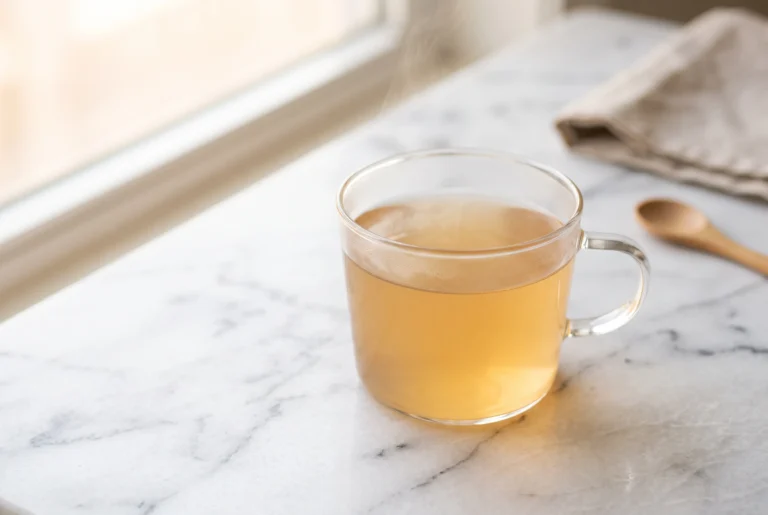
Use one tablespoon of unflavored gelatin powder. Always bloom it in 2 tablespoons of cold water first for 2 minutes. Then dissolve with warm liquid at 170–185°F — not boiling. Drink it warm, 20 to 30 minutes before your largest meal of the day. See our complete gelatin trick guide for the full method and recipe variations.
How to use collagen peptides correctly
Add one serving (typically 10 to 20 grams) directly to your coffee, tea, or smoothie. No blooming required — stir or blend until dissolved. For skin and joint benefits, consistency over 8 to 12 weeks is more important than timing. Taking it with vitamin C (orange juice, lemon water) may support collagen synthesis.
Which brand to use
For gelatin: Knox Unflavored Gelatine and Great Lakes Unflavored Gelatin are the two most reliable options for the gelatin trick. Use only plain unflavored gelatin — never flavored mixes. For collagen peptides: Vital Proteins and Great Lakes Collagen Peptides are well-established options with clean ingredient lists. See our best gelatin powder for weight loss guide for a full side-by-side brand comparison.
Frequently Asked Questions
Can I substitute collagen peptides for gelatin in the gelatin trick?
No. Collagen peptides do not gel, so they cannot create the stomach-filling satiety effect that makes the gelatin trick work. You must use unflavored gelatin powder — not collagen peptides — for the pre-meal gelatin trick routine.
Are gelatin and collagen peptides the same thing?
They come from the same source and have nearly identical amino acid profiles, but they are not the same product. Gelatin is partially hydrolyzed collagen that gels when cooled. Collagen peptides are fully hydrolyzed collagen that remains liquid at any temperature. Their behavior in cooking and in your body is significantly different.
Which is better for skin — gelatin or collagen peptides?
Collagen peptides have a slight advantage for skin because their smaller molecular size allows faster absorption. However, both provide the same amino acids (glycine, proline, hydroxyproline) that support skin collagen production. Gelatin used consistently in cooking or as a daily supplement also delivers meaningful skin support — it just absorbs more slowly.
Is gelatin cheaper than collagen peptides?
Yes, significantly. Gelatin costs approximately 10 to 12 times less per serving than collagen peptides. Both provide similar amino acid profiles, which is why gelatin is often described as the budget-friendly version of collagen supplementation.
Can I take gelatin and collagen peptides together?
Yes. Many people use gelatin before meals for appetite control and take collagen peptides separately in the morning for skin and joint support. They work through the same amino acid pathways and are safe to use together.
Does gelatin have more protein than collagen peptides?
Per gram, the protein content is similar — both are approximately 85 to 90 percent protein by weight. The difference is in molecular size, solubility, and behavior — not in total protein content.
Conclusion
Gelatin vs collagen peptides is not a question with one universal answer — it is a question about what you are trying to accomplish. For the gelatin trick and pre-meal appetite control, gelatin is the only option that works. For convenient daily protein supplementation in cold drinks, collagen peptides are the easier choice. For price-conscious buyers who want the benefits of both, using gelatin daily in the gelatin trick and getting collagen amino acids from bone broth or gelatin-based recipes gives you everything collagen peptides offer at a fraction of the cost.
If you are new to gelatin wellness, start with the gelatin trick complete guide to understand how to use unflavored gelatin effectively. If you have been using collagen peptides and wondering why the gelatin trick did not seem to work for you — now you know why. Switch to unflavored gelatin for the pre-meal routine and notice the difference.