
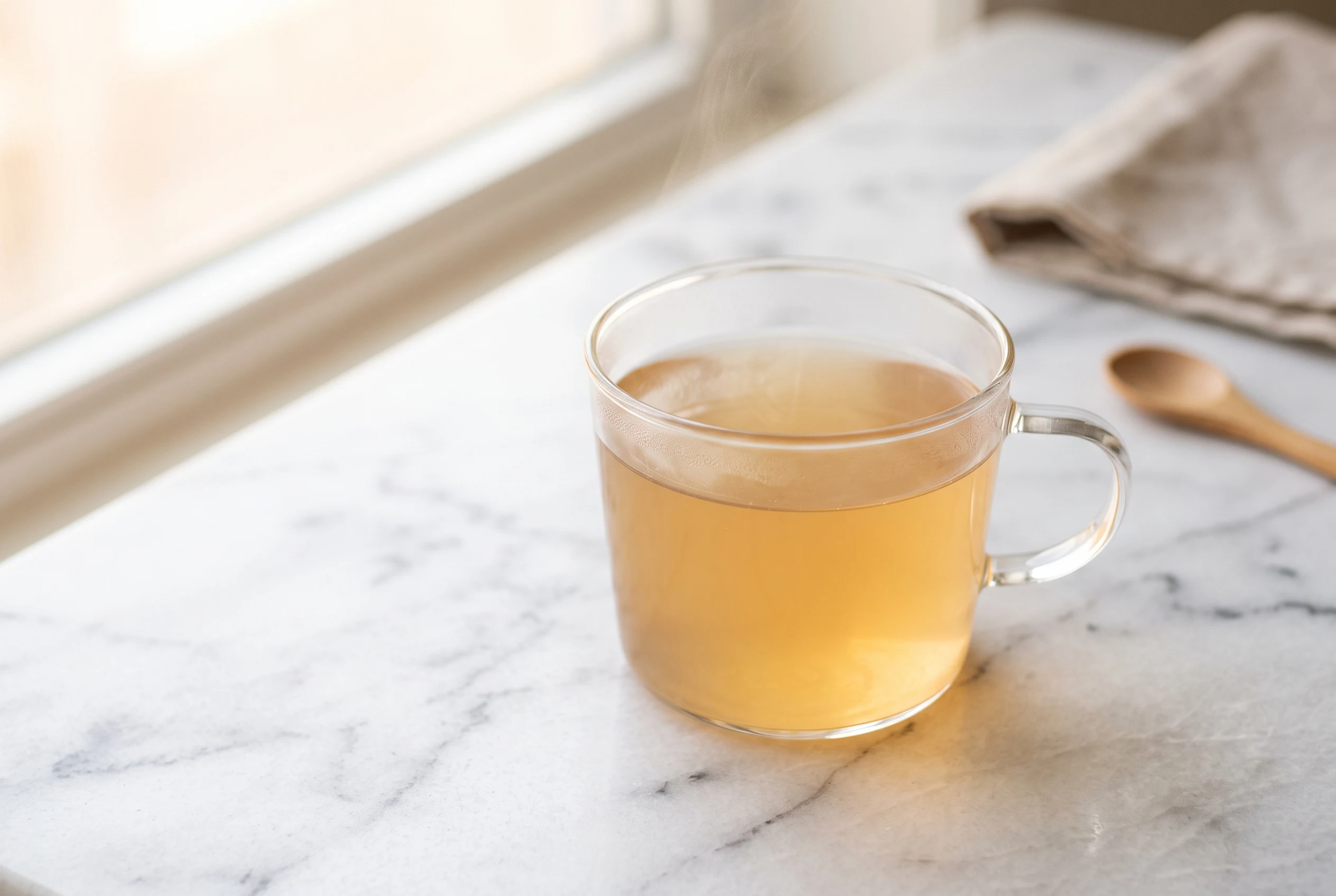
Gelatin for Ozempic Side Effects: What It May Help With and What It Can’t
Medical note: This article is for general information only. Gelatin and other foods are not a substitute for prescription medication. If you take a GLP-1 medication or have a health condition, talk to your doctor before changing your diet.
Related reading: ginger tea for nausea and gelatin benefits.
Gelatin for Ozempic side effects is a popular topic, and it is worth separating what it can do from what it cannot. Gelatin comes up a lot in conversations about Ozempic side effects, and there is one solid reason for that: the manufacturer’s own nausea tips mention it. On ozempic.com, the advice for managing nausea includes eating foods that contain water, such as soups and gelatin. Beyond that, a lot of what you read online goes further than the evidence does.
This guide separates the two. It covers where gelatin can reasonably help while you are on semaglutide (nausea days, fluid intake, a small protein top-up) and where it cannot do what some articles promise (hair loss, “Ozempic face”, muscle loss). It also covers practical details that most articles skip: which gelatin to buy, how to prepare it, what else settles the stomach, a sample nausea-day menu and who should avoid gelatin altogether. For the bigger picture on eating while on a GLP-1 medication, see our guide on what to eat on Ozempic.
Side effects from a prescription medication are a medical matter. If yours are severe, persistent or getting worse, contact your prescriber rather than trying to manage them with food.

Table of Contents
Table of Contents
Gelatin for Ozempic Side Effects: Key Takeaways
- The strongest case for gelatin for Ozempic side effects is nausea: the manufacturer lists gelatin among water-rich foods for nausea tips.
- Gelatin for Ozempic side effects is mostly about fluid and gentle texture, not about treating the cause.
- There is no good evidence that gelatin for Ozempic side effects prevents hair loss or facial changes.
- Gelatin is an incomplete protein, so gelatin for Ozempic side effects should only top up your protein, not replace it.
- Use plain unflavored gelatin, one tablespoon at a time, when trying gelatin for Ozempic side effects.
- Vegetarians, vegans and people with allergies should avoid gelatin for Ozempic side effects and choose other gentle foods.
- Severe or persistent symptoms need a call to your prescriber, not more gelatin for Ozempic side effects.
Why Gelatin for Ozempic Side Effects Comes Up
Gelatin is a plain protein made from collagen. Dissolved in warm water it is bland, contains no fat or fiber, and is mostly fluid. Those three properties make it easy to tolerate when your stomach is unsettled, and they are the reason it sits next to soup in standard advice for nausea.
One tablespoon of unflavored gelatin has about 6 grams of protein and roughly 25 calories. It is rich in glycine and proline, but it is not a complete protein: it lacks tryptophan and is low in several other essential amino acids. That matters later in this guide.

Where Gelatin for Ozempic Side Effects May Help
1. Nausea
Nausea is the most commonly reported side effect of semaglutide, especially when starting or increasing the dose. It was reported by roughly 15 to 20 percent of users in clinical trials.
The manufacturer’s tips for nausea include eating bland, low-fat foods, eating slowly, and choosing foods that contain water, such as soups and gelatin. Plain gelatin fits that description. It is a comfort food suggestion, not a treatment: it does not stop nausea, it is simply something many people can keep down.
How to try it: dissolve one tablespoon of unflavored gelatin in a cup of warm (not hot) water or broth and sip slowly. Skip apple cider vinegar, lemon and other acidic additions while you feel nauseous.
2. Fluid intake and constipation
Constipation is another common complaint on GLP-1 medications, and not drinking enough makes it worse. Many people find they simply drink less when their appetite is low. A warm cup of gelatin or broth is one more cup of fluid in the day. That is the whole benefit here: the water, not the gelatin. Fiber from food, regular fluids and movement matter more, and ongoing constipation is something to raise with your prescriber.

3. A small protein top-up on low-appetite days
When you are eating much less than usual, protein is the first thing to fall short. On days when solid food is unappealing, 6 grams of protein in a warm drink is better than nothing. Treat it as a bridge, not a protein source to rely on, because gelatin is incomplete. Eggs, Greek yogurt, fish, lean meat, tofu and legumes should carry most of your protein.

Where Gelatin Won’t Do What You May Have Read
Hair loss
Hair shedding during rapid weight loss is usually telogen effluvium, a temporary response to losing weight quickly and eating too little. There is no good evidence that gelatin prevents or reverses it. What is reasonable is eating enough total protein and calories and losing weight at the pace your prescriber recommends. If shedding is heavy or lasts more than a few months, see your doctor.
“Ozempic face”
Facial volume changes come from losing fat, including in the face. Collagen-building amino acids in a drink do not replace lost facial fat, and no food has been shown to prevent this change. Claims that bedtime gelatin protects your skin during weight loss are not supported by research.
Muscle loss
In body composition data from the STEP 1 semaglutide trial, a substantial share of the weight lost was lean mass. The measures that protect muscle are adequate complete protein and resistance training. Gelatin on its own is a poor choice for this job because it is missing essential amino acids. It can add a few grams to your daily total, nothing more.
Plain Gelatin or Gelatin Dessert Mix?
The two are not the same product. Unflavored gelatin powder is just protein. Boxed dessert mixes are mostly sugar or artificial sweeteners with a small amount of gelatin, plus colors and flavorings. For the purposes in this guide, choose plain unflavored powder. A tablespoon of powder gives you about 6 grams of protein for 25 calories, while a serving of sugar-sweetened dessert can add 70 or more calories with very little protein.
Look for a single ingredient on the label. Brands made from beef, pork or fish collagen all work the same way for a warm drink. If you want to compare options, see our gelatin powder comparison.
How to Prepare Gelatin for a Warm Drink
Gelatin needs a short step called blooming to avoid lumps. Sprinkle one tablespoon of powder over about two tablespoons of cold water in a mug and let it sit for a couple of minutes until it looks like soft applesauce. Then pour in about three-quarters of a cup of hot, not boiling, water or warm broth and stir until completely dissolved. Drink it while warm. As it cools it will thicken and eventually set, which some people enjoy as a soft jelly and others find unpleasant.

If your stomach is sensitive, start with half a tablespoon. Taking it on an empty stomach, very hot, or in large amounts can cause fullness or discomfort in some people.
Other Foods That Often Settle an Unsettled Stomach
Gelatin is only one option, and it does not need to be your first choice. These are common suggestions for nausea days:
- Plain crackers, dry toast or plain rice.
- Bananas, applesauce or other mild cooked fruit.
- Clear broth or a simple vegetable soup.
- Ginger tea or small pieces of ginger candy.
- Cold or room-temperature foods, which often smell less strongly than hot meals.
- Small sips of water or an electrolyte drink throughout the day instead of large glasses at once.
Foods that many people avoid during nausea include fried and greasy dishes, very sweet desserts, strongly flavored or spicy foods, and large portions. Eat slowly, stop at the first sign of fullness and sit upright for a while after meals.
A Sample Nausea-Day Menu
- On waking: a few plain crackers and a small glass of water.
- Breakfast: half a cup of plain yogurt or a scrambled egg with dry toast, if tolerated.
- Mid-morning: a cup of warm broth, with or without gelatin.
- Lunch: a small bowl of chicken and rice soup.
- Afternoon: a banana or applesauce and sips of herbal tea.
- Dinner: plain baked fish or tofu with mashed potato or rice and a few cooked vegetables.
If you are barely eating for more than a day or two, or cannot keep fluids down, contact your prescriber.
Who Should Be Careful with Gelatin for Ozempic Side Effects
- Vegetarians and vegans: gelatin comes from animal collagen. Agar-agar is a plant-based setting agent, although it does not provide protein.
- People who avoid pork or beef for religious reasons: check the source on the label. Some brands use fish collagen or halal- or kosher-certified products.
- People with allergies: gelatin allergy is uncommon but real. Stop if you notice itching, swelling or any breathing difficulty and seek medical help.
- People on medically supervised diets: including after bariatric surgery or with kidney disease. Ask your care team first.
A Simple, Sensible Way to Use Gelatin for Ozempic Side Effects
- Use plain unflavored gelatin, not flavored dessert mixes with sugar and additives.
- One tablespoon in a cup of warm water or broth, once or twice a day, is plenty.
- On nausea days keep it plain. Add lemon or other flavors only when your stomach has settled.
- Count it as fluid and a little extra protein, and build your meals around complete protein, vegetables and fiber.
- Stop and check with your prescriber if anything makes your symptoms worse.
If you want the pre-meal version many readers use, see the GLP-1 gelatin recipe and the gelatin trick complete guide.
Gelatin, Collagen Peptides and Bone Broth: What’s the Difference?
These three come up together because they all contain collagen-derived amino acids, but they behave differently in the kitchen. Gelatin sets into a jelly when it cools. Collagen peptides are broken down further, dissolve in hot or cold liquids and do not gel. Bone broth is a flavored liquid that contains small amounts of gelatin plus minerals and salt, and its protein content varies a lot between brands and homemade batches. For nausea days, a warm cup of any of them works as a gentle fluid. For protein, check the label, because none of them is a complete source. Our comparison of gelatin vs collagen peptides goes into more detail.
For a deeper look at broth, see our guides to bone broth benefits and how to make bone broth at home.
Keep a Simple Symptom Log
If side effects are a regular part of your week, a short daily note often shows patterns you would otherwise miss. Write down the time of your injection, what you ate, how much you drank and when nausea, constipation or fatigue appeared. After two or three weeks you may notice that certain foods, portion sizes or times of day make things better or worse. This is also very useful information to share with your prescriber or dietitian, especially if you are about to increase your dose.
Questions to Bring to Your Next Appointment
- Are my side effects within the expected range for my dose?
- Should I stay at this dose longer before increasing it?
- How much protein and fluid should I aim for each day?
- Are there foods or supplements I should avoid with my current medications?
- Which symptoms mean I should call right away?
When to Call Your Prescriber
Contact your prescriber or seek urgent care for severe or persistent vomiting, severe abdominal pain, signs of dehydration (very dark urine, dizziness, a racing heart), an inability to keep fluids down, or any symptom that worries you. Food strategies are for mild, expected side effects only.
Frequently Asked Questions About Gelatin for Ozempic Side Effects
Does the Ozempic website mention gelatin?
Yes. Its tips for managing nausea include eating foods that contain water, such as soups and gelatin. It is listed as a food suggestion, not as a treatment.
Does gelatin stop Ozempic nausea?
No. It is a bland, fluid-rich food that many people tolerate when they feel nauseous. It does not treat the cause.
How much gelatin is reasonable per day?
One to two tablespoons of unflavored gelatin is a typical food amount. Start with one and see how you tolerate it.
Can gelatin prevent hair loss or “Ozempic face”?
There is no good evidence for either. Eating enough protein and calories overall is the sensible approach, and persistent hair loss is a reason to see your doctor.
Is gelatin a complete protein?
No. It lacks tryptophan and is low in several other essential amino acids, so it should supplement, not replace, foods like eggs, dairy, fish, meat, tofu and legumes.
Should I ask my doctor before adding gelatin?
Gelatin is an ordinary food, but if you take a prescription medication or have a health condition it is always worth mentioning dietary changes to your prescriber.
The Bottom Line on Gelatin for Ozempic Side Effects
Gelatin earns its place on the nausea-tips list because it is bland, gentle and mostly water. Used that way it is a small, sensible comfort on difficult days, plus a little fluid and protein. It is not a remedy for hair loss, facial changes or muscle loss, and it does not replace the advice of the person who prescribed your medication.






3 Comments