Chrissy Metz GLP-1 Story: What She Shared + 5 Food Tips
Medical note: This article is for general information only. Gelatin and other foods are not a substitute for prescription medication. If you take a GLP-1 medication or have a health condition, talk to your doctor before changing your diet.
Related reading: high protein breakfast ideas and gut healthy foods list.
The Chrissy Metz GLP-1 announcement started a wider conversation about eating well on these medications. In August 2026, actress Chrissy Metz said publicly that she had started a GLP-1 medication, in an interview reported by TODAY. The story was also covered by E! News and BroadwayWorld, and it sparked a lot of conversation about what these medications are, who they are for and how people can eat well while taking them.
This article does two things. First, it gives a short, sourced summary of what she has shared. Second, and more usefully for most readers, it explains how everyday eating changes when your appetite shrinks on a GLP-1 medication, with five practical food strategies, a sample day of meals, a short grocery list and questions to bring to your doctor or dietitian. We have no inside knowledge of her diet or treatment, and nothing here should be read as her endorsement of any food, recipe or product.
Table of Contents
Table of Contents
Chrissy Metz Glp-1: Key Takeaways
- Every fact about the Chrissy Metz GLP-1 story in this article comes from linked coverage by TODAY, E! News and BroadwayWorld.
- We do not know which medication is behind the Chrissy Metz GLP-1 story, and we do not guess.
- The Chrissy Metz GLP-1 coverage describes a decision made after years of skepticism and framed around long-term health.
- This article is not connected to Chrissy Metz, and nothing here is her diet, routine or endorsement.
- Anyone inspired by the Chrissy Metz GLP-1 news should talk to a prescriber before starting a medication.
- Food habits such as protein first, gradual fiber and extra fluids apply to anyone on a GLP-1 medication, not only to the Chrissy Metz GLP-1 story.
- Food cannot match what a prescription does, so the Chrissy Metz GLP-1 news should not be taken as proof of any food or recipe.
What the Chrissy Metz GLP-1 Interviews Say
The facts below come from the original coverage. We link to each source so you can read her own words rather than rely on our summary.
- According to TODAY, she started a GLP-1 medication after years of being skeptical about it.
- In coverage by E! News, she described wanting to understand how the medication works before trying it, and framed the decision around long-term health rather than appearance.
- The same coverage links her decision to her family health history and to perimenopause, a stage of life when many people notice changes in appetite and body composition.
- BroadwayWorld reported on how she discussed her health alongside her stage work.
We have deliberately left out weight numbers, medication names and second-hand details. Those are personal, and they are easy to get wrong when a story is repeated online. If a website tells you exactly what a celebrity eats or which product she uses, treat that claim with caution unless it links to an interview.
How GLP-1 Medications Change Your Appetite
GLP-1 is a hormone your gut releases after you eat. It tells your brain you are full, slows the speed at which your stomach empties and helps your body release insulin when blood sugar rises. GLP-1 medications activate the same receptors far more strongly and for much longer than a meal can. Many people who take them describe quieter hunger, less snacking and fewer constant thoughts about food, often called food noise.
That is helpful, but it creates a nutrition problem that is easy to overlook. When you eat much less, every meal has to do more work. A smaller appetite does not shrink your need for protein, fiber, vitamins and minerals. It also dulls thirst for some people, so fluid intake can slip without them noticing. The strategies below are aimed at those practical gaps. They are general guidance, not a personal plan.
Food cannot reproduce what a prescription medication does. If you are curious about the viral “natural” versions, our natural ozempic guide compares food-based approaches with the real thing honestly.
5 Food Strategies for People on GLP-1 Medication
1. Protein first at every meal
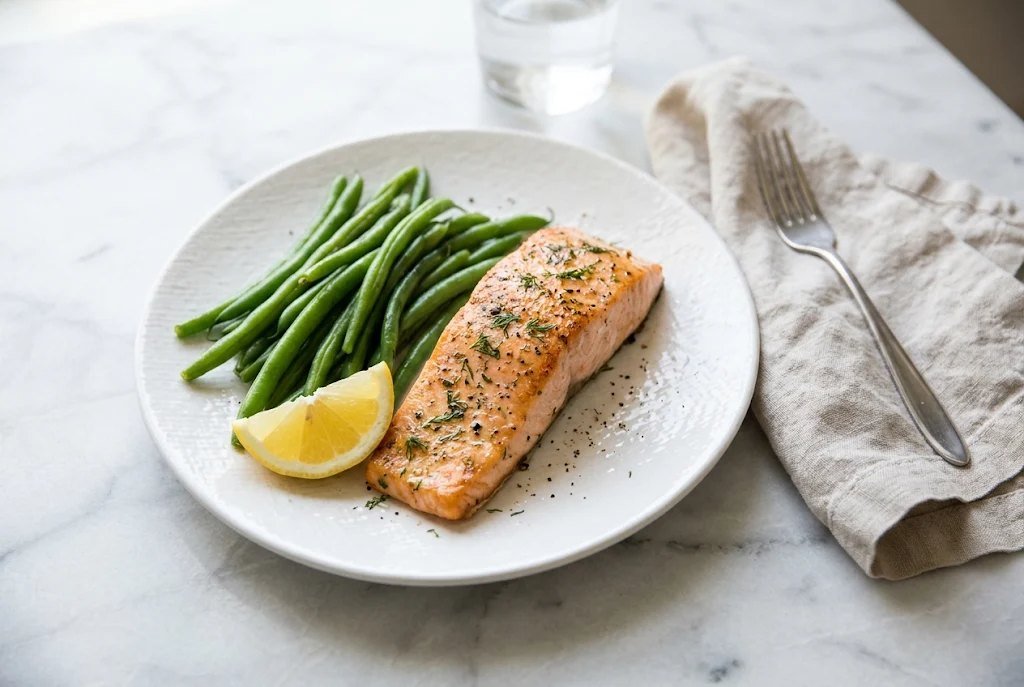
With a smaller appetite, protein is the nutrient most likely to fall short, and research on semaglutide shows that part of the weight lost can be lean mass rather than fat. Starting each meal with the protein portion makes sure it gets eaten before you feel full. Good options include eggs, fish, poultry, Greek yogurt, cottage cheese, tofu, tempeh, beans and lentils.
How much do you need? Many dietitians suggest aiming for a meaningful serving of protein at each meal, often in the range of 20 to 30 grams for adults, but needs vary with age, kidney health, activity and the amount of weight being lost. Ask your prescriber or a registered dietitian for a number that fits you instead of copying one from the internet.
2. Fiber, added gradually
Vegetables, fruit, oats, beans and whole grains help with fullness, blood sugar and regularity. Constipation is a common complaint on GLP-1 medications, and fiber plus fluids is the first line of defense. The key word is gradually. Adding a large amount of fiber overnight can cause bloating and discomfort, especially when your stomach empties more slowly than before.
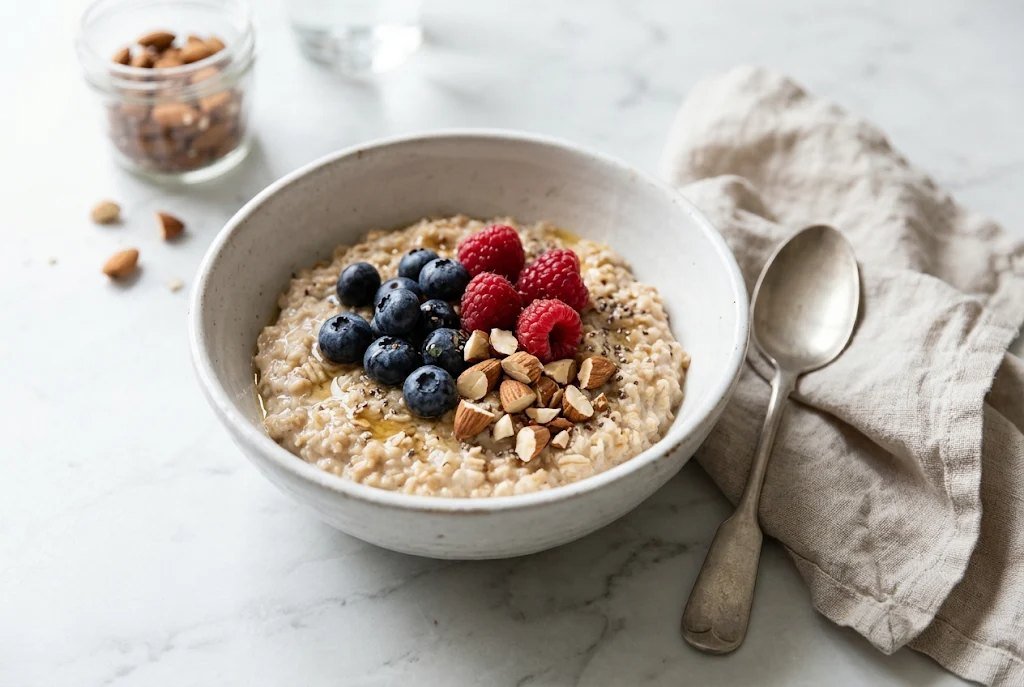
Start with one extra serving a day, such as a bowl of oatmeal with berries at breakfast or a side of cooked vegetables at dinner, and build from there. General guidelines suggest roughly 25 to 38 grams of fiber a day for adults, but you may need to approach that number slowly.
3. Smaller, slower meals
Eating slowly gives your body time to register fullness, which matters more when the medication is already turning down your hunger. Smaller portions, thorough chewing and stopping at the first sign of comfortable fullness reduce the chance of nausea, reflux and that uncomfortable overfull feeling some people report.
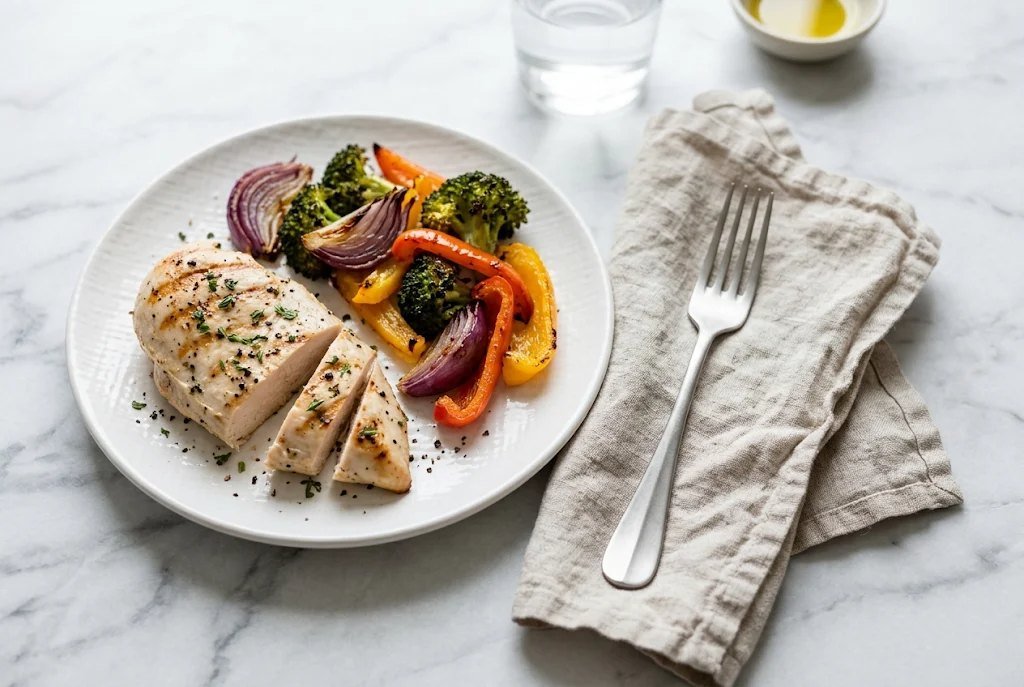
Fatty, fried and very rich foods tend to sit heavily while your stomach empties slowly, so many people find lean proteins, cooked vegetables and simple seasonings easier to tolerate. Keep a short list of foods that feel good and foods that do not. Patterns usually appear within a couple of weeks.
4. Fluids on purpose
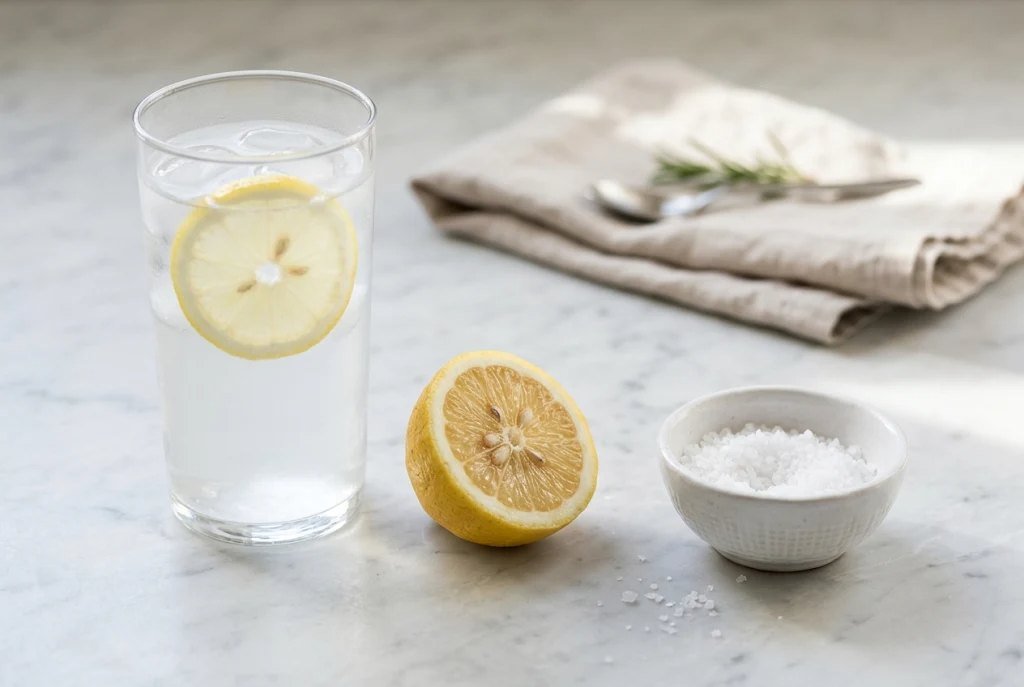
Many people notice they drink less when they eat less. Dehydration can make nausea, constipation, headaches and dizziness worse, and it is often mistaken for a medication side effect. Keep water within reach, sip through the day, and count herbal tea, broth and milk toward your total. A pale yellow urine color is a rough everyday guide.
If you sweat a lot or have been vomiting or have diarrhea, ask your doctor about replacing electrolytes. Drinks such as coconut water contain potassium, but they also contain sugar, so they are a sometimes option rather than a replacement for water.
5. Something gentle for nausea days
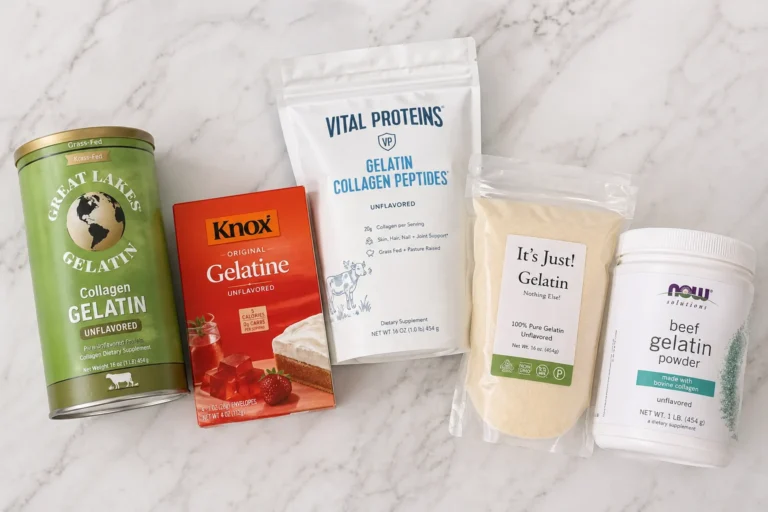
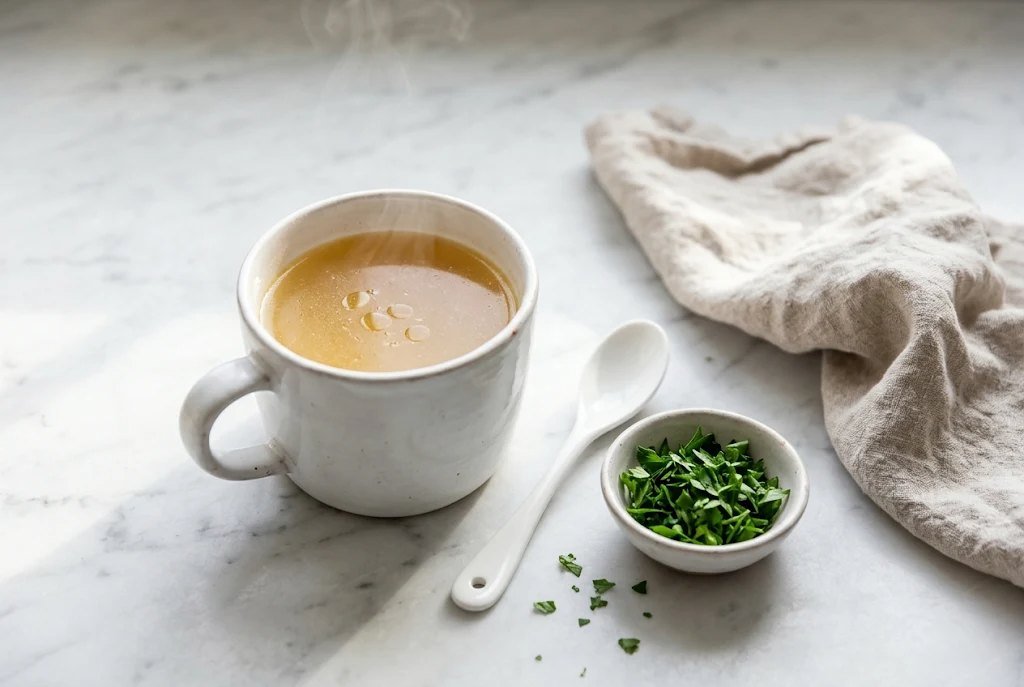
Nausea is the most commonly reported side effect, especially after starting or increasing a dose. The Ozempic website’s own nausea tips suggest bland, low-fat foods, eating slowly and choosing foods that contain water, such as soups and gelatin. A cup of warm broth, plain crackers, toast, bananas or a little ginger tea are all common choices. Details are in our guide to gelatin for Ozempic side effects.
A Sample Day of Eating After the Chrissy Metz GLP-1 News
This is an illustration of how the strategies fit together, not a prescription. Portions are small on purpose, and you should adjust them to your own appetite and your care team’s advice.
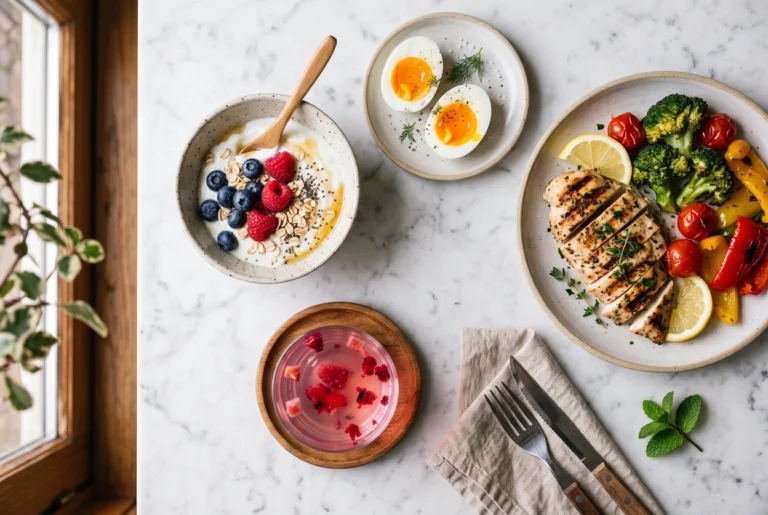
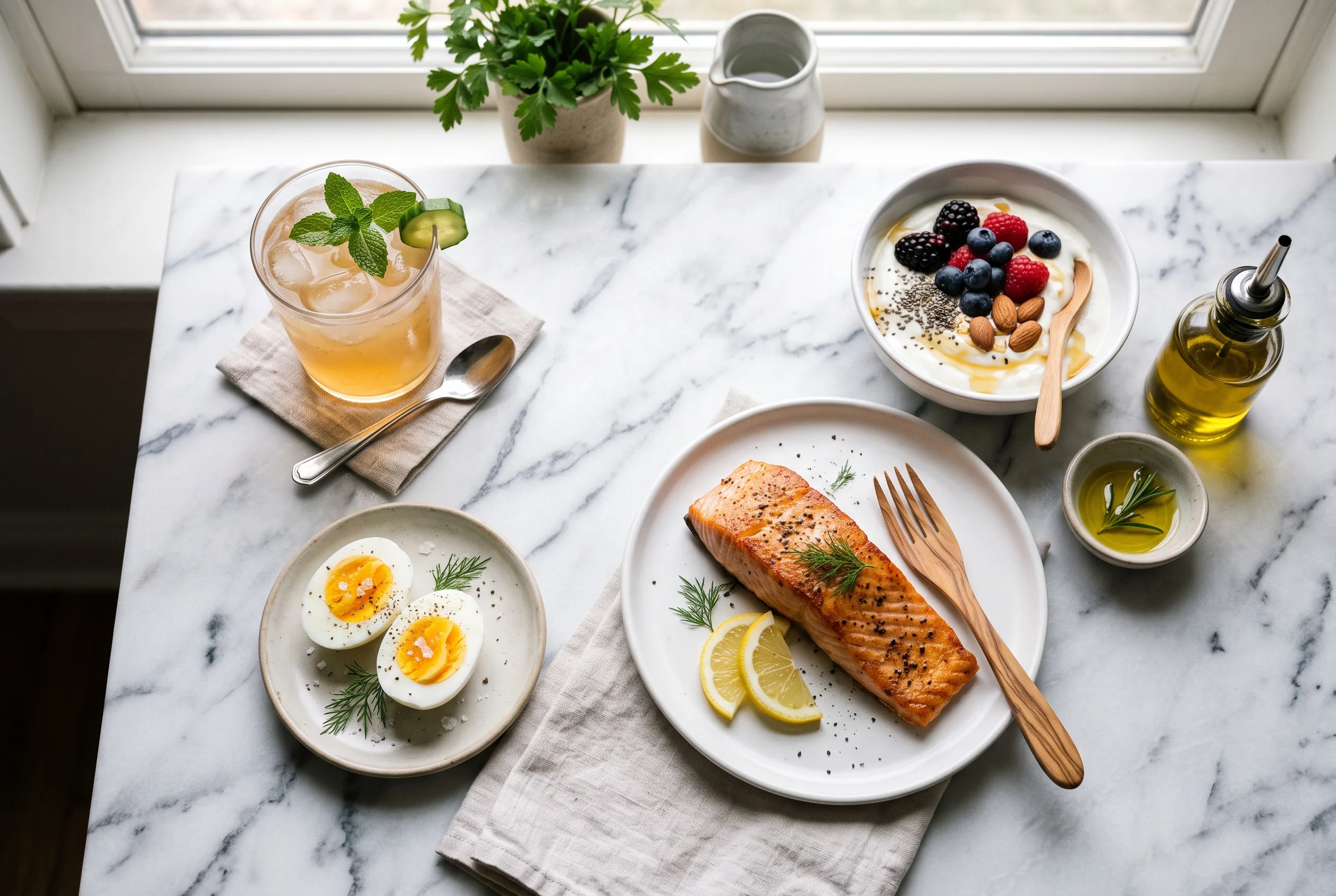
- Breakfast: plain Greek yogurt with berries and a spoonful of chopped nuts, or two eggs with a slice of whole grain toast.
- Mid-morning: a glass of water and a small piece of fruit, or a cup of herbal tea.
- Lunch: a bowl of lentil or bean soup with a side of cooked vegetables, or a small chicken and vegetable plate.
- Afternoon: cottage cheese with sliced fruit, or a handful of almonds if you tolerate fat well.
- Dinner: baked fish or tofu with vegetables and a small portion of whole grains.
- Evening: warm herbal tea or broth if you want something light.
If you struggle to finish meals, switch to four or five mini-meals instead of three larger ones and keep protein in each. If you feel full after a few bites, eat the protein first and leave the rest.
Movement Matters Too
Eating enough protein only protects muscle when you also use it. Public health guidelines recommend muscle-strengthening activity on at least two days a week, and strength training is the best-supported way to keep lean mass while weight comes down. That does not have to mean a gym: resistance bands, body-weight exercises, carrying groceries and climbing stairs all count. Walking after meals is a gentle way to support digestion and blood sugar. Check with your doctor before starting a new exercise routine, especially if you have joint pain or a heart condition.
Common Side Effects and What Often Helps
- Nausea: smaller portions, bland foods, slower eating and avoiding greasy meals.
- Constipation: more fluids, gradual fiber, daily movement. Ask your prescriber about safe options if it persists.
- Reflux or heartburn: avoid lying down right after meals and limit large, fatty or spicy meals.
- Fatigue: check that you are eating enough protein, iron-rich foods and overall calories, and tell your doctor if tiredness is heavy.
- Hair shedding: usually temporary during rapid weight loss. Adequate protein and calories are the sensible response; talk to your doctor if it is significant.
Seek urgent medical care for severe or persistent vomiting, severe abdominal pain, signs of dehydration or any symptom that worries you. Food strategies are meant for mild, expected side effects only.
What Food Cannot Do
Search results are full of “natural Ozempic” recipes and celebrity-attributed drinks that claim to copy a medication’s effects. The honest summary is that no recipe has been shown to match a prescription GLP-1 medication. Some foods, such as protein, fiber and fermented dairy, play a role in your own gut hormone response, but the effect is small and gradual compared with a drug designed to act on the receptor directly.
That does not make food strategies useless. They help you feel better, protect muscle and cover nutrient gaps. It just means they should be described for what they are. If you want a closer look at the claims, see our guides on the natural ozempic drink and increasing GLP-1 naturally.
A Simple Grocery List for a Smaller Appetite
Shopping with a smaller appetite is easier when the list is short and flexible. The goal is to keep protein, fiber and easy fluids on hand so a low-energy day does not turn into a skipped meal.
- Protein: eggs, plain Greek yogurt, cottage cheese, canned tuna or salmon, chicken breast, tofu, lentils and canned beans.
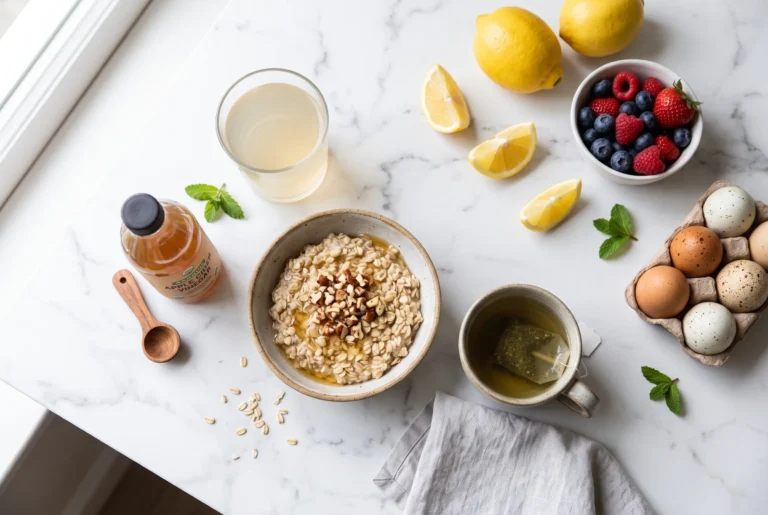
- Fiber: rolled oats, berries, bananas, leafy greens, carrots, frozen vegetables and whole grain bread.
- Healthy fats in small amounts: olive oil, avocado, nuts and seeds, if they sit well with you.
- Gentle options: low-sodium broth, plain crackers, ginger tea and peppermint tea.
- Fluids: sparkling water, herbal teas and, occasionally, an electrolyte drink.
Frozen vegetables and canned beans are perfectly good choices. They cost less, keep longer and cut preparation time on days when cooking feels like too much.
Eating Out and Social Situations
Social meals can feel awkward when you cannot finish a full plate. A few habits make it easier. Look at the menu in advance and choose a protein-based dish. Order a starter-sized portion or share a main course. Ask for a box at the start of the meal and put half in it before you begin, so you are not tempted to push past comfortable fullness. Sip water between bites, and let friends and family know that smaller portions are a medical choice, not a comment on the food.
Alcohol deserves extra caution. Some people find that even small amounts affect them more on a GLP-1 medication, and alcohol on an empty stomach can worsen nausea. Ask your doctor what is sensible for you.
Questions to Ask Your Doctor or Dietitian
- How much protein and fiber should I aim for each day?
- How quickly should I expect to lose weight, and what pace is healthy for me?
- Which side effects should I report right away?
- Do I need blood tests or supplements, such as vitamin B12, iron or vitamin D?
- What should I do on days when I cannot eat much?
- How do I plan for maintaining my weight if I stop the medication?
Frequently Asked Questions About Chrissy Metz Glp-1
Which GLP-1 medication does Chrissy Metz take?
We do not know, and we do not speculate. Refer to her own interviews, linked in this article.
Did Chrissy Metz recommend gelatin or any recipe on this site?
No. She has no connection with Gelatin Wellness, and the food tips here are general guidance, not her routine.
Can food give the same results as a GLP-1 medication?
No. Food habits can support fullness and nutrition, but they do not act like a prescription medication.
How much protein should I eat on a GLP-1 medication?
It depends on your age, health and weight goals. Many dietitians aim for a solid serving at each meal, but your care team can give you a personal target.
Should I change my diet if I am on a GLP-1 medication?
Talk to your prescriber or a registered dietitian. The habits above are common general advice, not a personal plan.
The Bottom Line on Chrissy Metz Glp-1
Celebrity announcements get people talking about GLP-1 medications, but the useful part for most readers is the everyday eating: enough protein, fiber and fluids, smaller and slower meals, and some form of strength training. Those basics apply to anyone, and your own prescriber or dietitian is the right person to tailor them to you.