
Hantavirus Symptoms, Treatment, and How to Naturally Support Your Immune System
⚕️ Medical Disclaimer: This article is for informational purposes only and does not constitute medical advice, diagnosis, or treatment. Always consult a qualified healthcare provider with any questions you may have regarding a medical condition. In case of emergency, call 911 or your local emergency services immediately.
In May 2026, the World Health Organization confirmed a deadly hantavirus outbreak aboard a cruise ship in the Atlantic Ocean, putting this rare but serious disease in the spotlight. Three passengers died, and news coverage sparked widespread searches — many people suddenly asking about hantavirus symptoms treatment options, how it spreads, and whether they could be at risk.
The good news: for most people in the United States, the risk is low. Hantavirus is not spread like the flu — it requires direct contact with infected rodents. But understanding the symptoms, knowing how it differs from common illness, and taking steps to support your body’s natural defenses is always worthwhile — especially during outbreak season.
In this article, we break down everything you need to know about hantavirus, and we explore the evidence-based nutrition strategies — including the role of gelatin and collagen — that support immune resilience and lung health year-round.
| 🔑 Key Takeaways • Hantavirus is rare in the US — 890 confirmed cases between 1993–2023 (CDC) • It is NOT spread person-to-person (except rare Andes strain cases) • No cure exists — prevention and supportive care are key • Gelatin and collagen provide glycine and proline, amino acids that support lung tissue and immune function • Early symptoms mimic the flu — rodent exposure history is the critical diagnostic clue |
Table of Contents
Table of Contents
What Is Hantavirus?
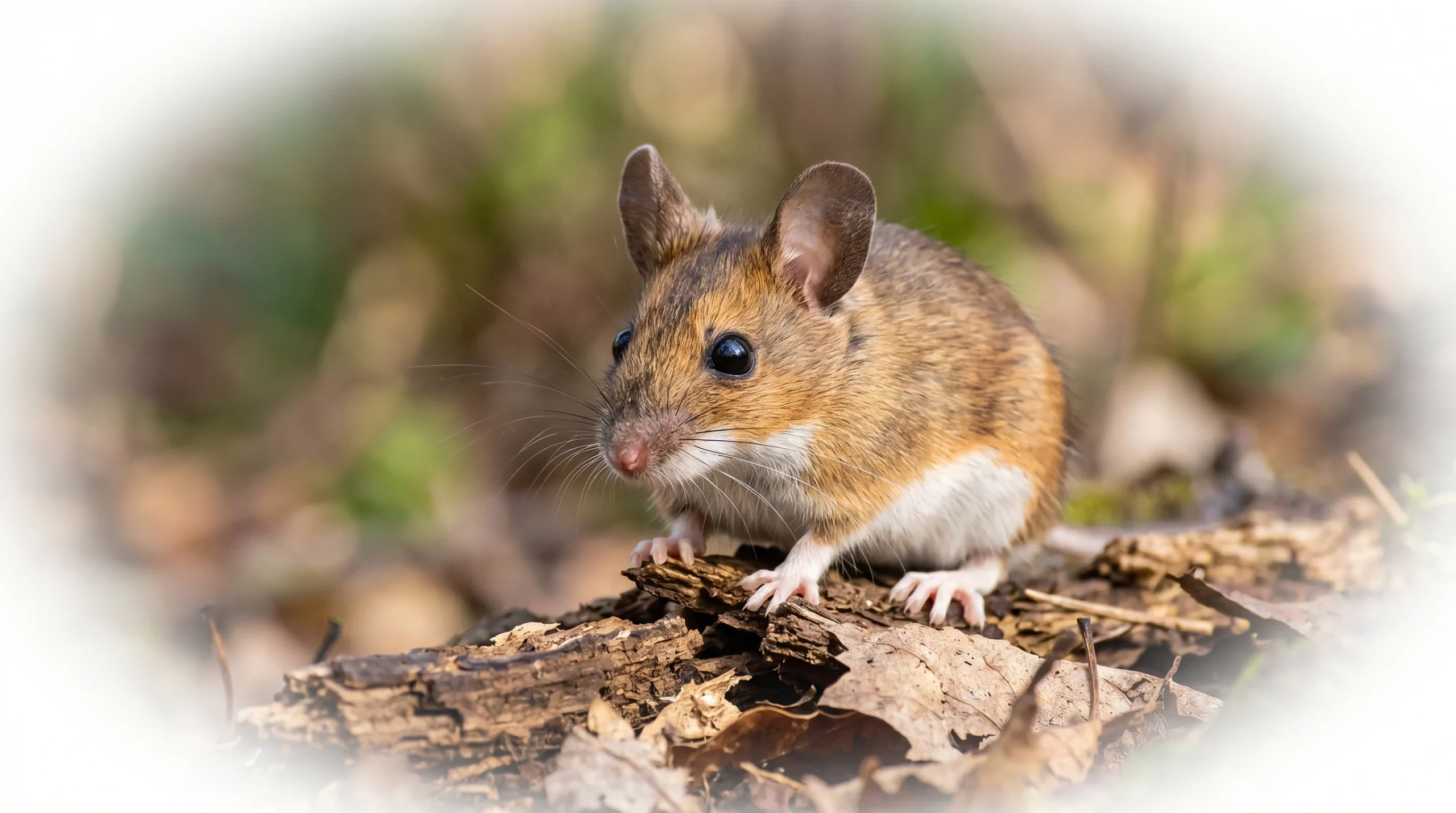
Hantavirus refers to a family of viruses carried primarily by rodents — rats, mice, and other small mammals. In the United States, the most common type is spread by the deer mouse and causes Hantavirus Pulmonary Syndrome (HPS), a severe respiratory disease that affects the lungs.
In Europe and Asia, different hantavirus strains cause Hemorrhagic Fever with Renal Syndrome (HFRS), which primarily affects the kidneys. These two syndromes are geographically distinct — the strain you are exposed to determines which disease you develop.
The 2026 cruise ship outbreak was caused by the Andes virus — a South American strain confirmed by WHO as the only known hantavirus capable of limited person-to-person transmission. This made it uniquely alarming to public health officials monitoring the situation.
According to the CDC, hantavirus infections in the US are most common in western states, particularly New Mexico, Colorado, and Arizona. The virus has been identified in all US states except Hawaii.
Hantavirus Symptoms: How to Tell It Apart from the Flu
Early hantavirus symptoms are nearly identical to the flu — which is exactly what makes it difficult to diagnose without knowing about a potential rodent exposure. Understanding what to look for, and when symptoms shift from mild to critical, can be life-saving.
Early Phase (Days 1–7 after exposure)
- High fever (101–104°F)
- Severe fatigue and weakness
- Deep muscle aches — especially thighs, hips, and lower back
- Headache
- Nausea, vomiting, or diarrhea (in approximately 50% of cases)
- Chills
Late Phase (Days 4–10 — Emergency Warning Signs)
- Sudden shortness of breath — lungs filling with fluid
- Severe coughing
- Chest tightness
- Rapid heart rate
⚠️ The late phase can progress to respiratory failure within hours. If you have had rodent exposure and develop shortness of breath, seek emergency care immediately.
Hantavirus vs. Common Flu — Symptom Comparison
| Symptom | Hantavirus (HPS) | Common Flu |
| Fever | High (often 101–104°F) | Moderate to high |
| Fatigue | Severe, sudden onset | Moderate |
| Muscle Aches | Severe — thighs, hips, back | Common, widespread |
| Headache | Present | Common |
| Coughing | Late stage — severe dry cough | Early, mild to moderate |
| Shortness of Breath | ⚠️ Critical symptom — lungs fill with fluid | Rare |
| Gastrointestinal | Nausea, vomiting, diarrhea (~50% of cases) | Occasional |
| Rodent Exposure | Usually yes (key diagnostic clue) | No |
| Progression Speed | Rapid — 4–10 days to respiratory failure | Gradual |
Is Hantavirus Contagious? How Does It Spread?
For most strains found in the United States, hantavirus is NOT contagious from person to person. You cannot catch it from an infected person the way you catch the flu or COVID-19.
Transmission almost always involves direct exposure to infected rodents or their waste materials:
- Inhaling dust contaminated with rodent urine, droppings, or saliva (most common route)
- Touching contaminated surfaces and then touching your mouth or nose
- Rodent bites or scratches (rare)
| ⚠️ The Andes Strain Exception The 2026 cruise ship outbreak involved the Andes virus — currently the only known hantavirus strain documented to spread between people in rare cases, primarily among very close contacts (spouses, caregivers). WHO confirmed this strain in the MV Hondius outbreak. For all other hantavirus strains — including those circulating in the US — person-to-person transmission has not been documented. |
The WHO fact sheet on hantavirus confirms that preventing rodent access to your home remains the primary protective measure against hantavirus exposure.
Hantavirus Treatment: What Medicine Can and Cannot Do
Understanding hantavirus symptoms treatment is critical because there is currently no specific antiviral treatment or vaccine approved for hantavirus infection. This is one of the most important facts to understand about this disease.
Medical treatment focuses entirely on supportive care:
- Hospitalization and close clinical monitoring
- Oxygen support or mechanical ventilation for breathing difficulties
- IV fluids for hydration and blood pressure management
- Treatment of specific symptoms as they arise
Early access to intensive care significantly improves survival outcomes. The mortality rate for Hantavirus Pulmonary Syndrome (HPS) in the Americas is approximately 38%, according to the CDC — making prevention and early detection critical.

How to Naturally Support Your Immune System Against Respiratory Viruses
While there is no diet that prevents hantavirus, building a resilient immune system year-round is one of the most powerful things you can do to protect your overall health — especially given that hantavirus symptoms treatment options are limited to supportive care only. This is especially true for respiratory viruses that affect lung tissue — which is exactly where hantavirus does its most serious damage.
Evidence-based nutrition supports immune function through several mechanisms:
- Maintaining the integrity of mucosal barriers (your body’s first line of defense)
- Reducing chronic inflammation that weakens immune response
- Supporting rapid immune cell production when infection occurs
- Protecting and repairing lung tissue and respiratory epithelium
Gelatin, Collagen, and Lung Health: The Nutritional Connection
Gelatin is derived from collagen — the most abundant protein in the human body. It is uniquely rich in three amino acids that play a direct role in immune function and respiratory health: glycine, proline, and hydroxyproline.
Glycine and the Gut-Lung Axis
Glycine is an anti-inflammatory amino acid that plays a critical role in the gut-lung axis — the bidirectional communication system between your gut microbiome and your lungs. Emerging research suggests that a healthy gut environment directly influences respiratory immunity.
Studies show that glycine inhibits pro-inflammatory cytokine production — the same cytokine cascade responsible for the ‘cytokine storm’ seen in severe respiratory infections. While research specific to hantavirus is limited, the anti-inflammatory mechanism is well-established.
Proline and Hydroxyproline: Lung Tissue Integrity
Proline and hydroxyproline are the structural amino acids that form the triple helix of collagen — the scaffolding that gives lung tissue its strength and elasticity. Adequate collagen precursor intake supports the repair and maintenance of the alveoli (air sacs) and bronchial lining.
When lung tissue is damaged — by infection, inflammation, or environmental stress — your body draws heavily on collagen precursor amino acids for repair. Gelatin provides these amino acids in their most bioavailable form.
Practical Ways to Add Gelatin to Your Routine
- Bone broth — 1–2 cups daily, especially during illness season
- Plain gelatin dissolved in warm herbal tea or juice
- Gelatin-based gummies or desserts made with real fruit
- Collagen powder added to smoothies or oatmeal
| 💡 GelatinWellness Tip The most bioavailable form of gelatin is from grass-fed, pasture-raised sources. Look for unflavored gelatin powder (like Knox or Great Lakes) or collagen peptides that dissolve easily in both hot and cold liquids. Aim for 10–15g of gelatin-derived protein daily for consistent benefits. |
Other Foods That Support Immune and Lung Health
A gelatin-rich diet works best as part of a broader anti-inflammatory nutrition strategy. These additional foods have strong evidence behind their immune-supportive roles:
- Citrus, bell peppers, kiwi — critical for collagen synthesis and immune cell function Vitamin C-rich foods
- Pumpkin seeds, beef, chickpeas — supports T-cell production and wound healing Zinc-rich foods
- Yogurt, kefir, kimchi — strengthen gut microbiome diversity and gut-lung axis Fermented foods
- Fatty fish, walnuts, flaxseed — reduce lung inflammation Omega-3 fatty acids
- Natural antimicrobial compounds with documented immune support Garlic and ginger
- Potent anti-inflammatory, supports respiratory epithelial health Turmeric (curcumin)

How to Prevent Hantavirus Exposure
Since hantavirus symptoms treatment relies entirely on supportive care — with no cure available — prevention is your most powerful tool. The CDC recommends these practical steps:
- Seal holes and gaps in your home — even small openings (pencil-width) can allow mice entry
- Store food in sealed, hard containers — do not leave pet food or birdseed accessible
- Use traps inside and around your home, especially in rural or high-risk areas
- When cleaning areas with rodent droppings: wear gloves, spray with bleach solution, wait 5 minutes before wiping — never sweep or vacuum dry droppings
- When camping or hiking in rodent-prone areas (especially US Southwest): ventilate tents, avoid sleeping near brush piles or rodent burrows
- Wash hands thoroughly after outdoor activities in wooded or rural areas
Frequently Asked Questions
What is the hantavirus mortality rate?
The mortality rate for Hantavirus Pulmonary Syndrome (HPS) — the form found in the Americas — is approximately 38%, according to the CDC. The Andes virus strain involved in the 2026 cruise ship outbreak has a similar fatality profile. Early ICU-level supportive care is the primary factor that improves survival outcomes.
Is hantavirus in the United States?
Yes. Hantavirus is present across the continental US, with the highest concentrations in New Mexico, Colorado, and Arizona. From 1993 to 2023, 890 confirmed cases were reported nationwide. The deer mouse is the primary carrier in North America.
What is the Andes strain of hantavirus?
The Andes virus is a hantavirus strain found primarily in South America, carried by the pygmy rice rat. It is the only known hantavirus documented to spread from person to person — though this occurs rarely, primarily among very close contacts. The 2026 MV Hondius cruise ship outbreak was confirmed to involve the Andes strain.
How does hantavirus spread?
Hantavirus is primarily spread through inhalation of particles from infected rodent urine, droppings, or saliva. Direct contact with rodents or their waste, and then touching your mouth or nose, is another route. Rodent bites are rare. Person-to-person spread does not occur with US strains — only with the rare Andes virus.
Is there a hantavirus vaccine or cure?
No. There is currently no licensed vaccine or specific antiviral treatment for hantavirus. All medical care is supportive — managing symptoms, supporting breathing, and preventing organ failure. This makes prevention the most critical priority.
Does gelatin help prevent hantavirus?
No food or supplement prevents hantavirus infection. However, gelatin provides glycine, proline, and hydroxyproline — amino acids that support the structural integrity of lung tissue, reduce chronic inflammation, and contribute to overall immune resilience. A nutrient-dense diet supports your body’s ability to respond to infections generally, but should never be considered a substitute for medical prevention or treatment.
Sources & References
1. CDC — About Hantavirus: https://www.cdc.gov/hantavirus/about/index.html
2. WHO — Hantavirus Fact Sheet: https://www.who.int/news-room/fact-sheets/detail/hantavirus
3. WHO — 2026 Outbreak Report (MV Hondius): https://www.who.int/emergencies/disease-outbreak-news/item/2026-DON599
4. CDC — Reported Cases of Hantavirus Disease in the US: https://www.cdc.gov/hantavirus/data-research/cases/index.html