Hibiscus Tea Benefits: 8 Amazing Perks and Side Effects
Hibiscus tea benefits are better supported by research than most herbal tea claims, especially when it comes to blood pressure. This tart, ruby-red drink is also naturally caffeine-free, nearly calorie-free and easy to make at home. But it is not risk-free: it can interact with some medicines and is not recommended during pregnancy.
This guide covers the hibiscus tea benefits that have evidence behind them, the claims that are exaggerated, the side effects and drug interactions to know about, and a simple recipe for hot or iced tea. Like our other evidence-first guides, such as gelatin benefits and lemon water benefits in the morning, it separates real findings from hype.
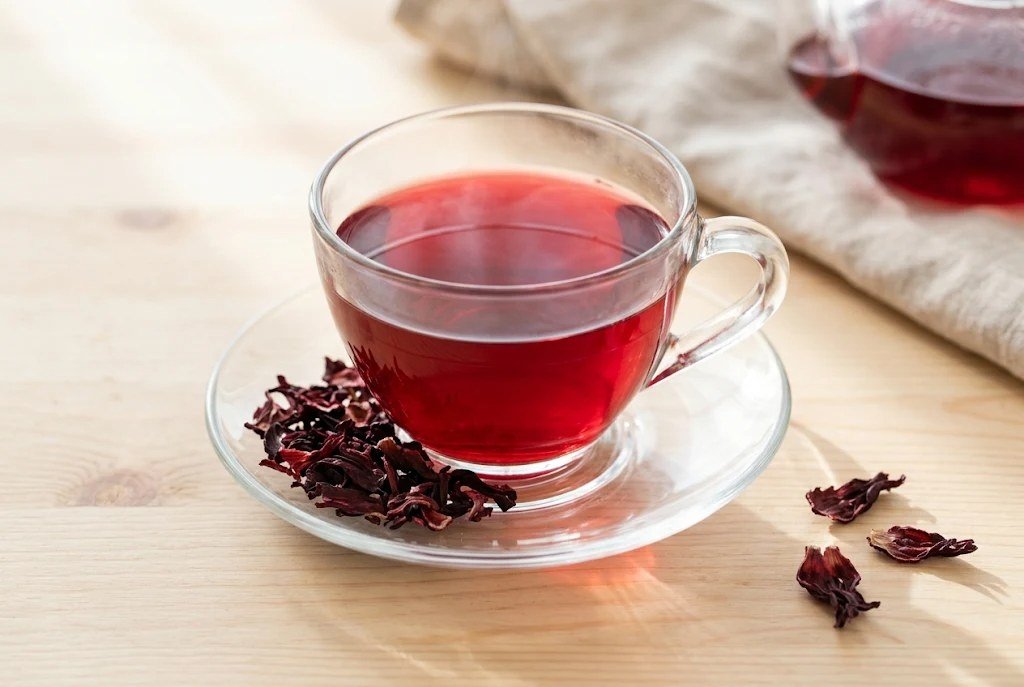
Table of Contents
Table of Contents
Hibiscus Tea Benefits: Key Takeaways
- Blood pressure: the strongest of the hibiscus tea benefits; trials show modest reductions in people with mildly high blood pressure.
- Antioxidants: hibiscus is rich in anthocyanins and polyphenols, the pigments that give it its red color.
- Zero caffeine, near-zero calories: an unsweetened cup has about 2 calories.
- Weight, cholesterol and blood sugar: early research is promising but mixed, so do not rely on it.
- Side effects: can lower blood pressure too much, may interact with certain medicines and should be avoided in pregnancy.
- How much: 1 to 3 cups a day is the range used in most studies.
What Is Hibiscus Tea?
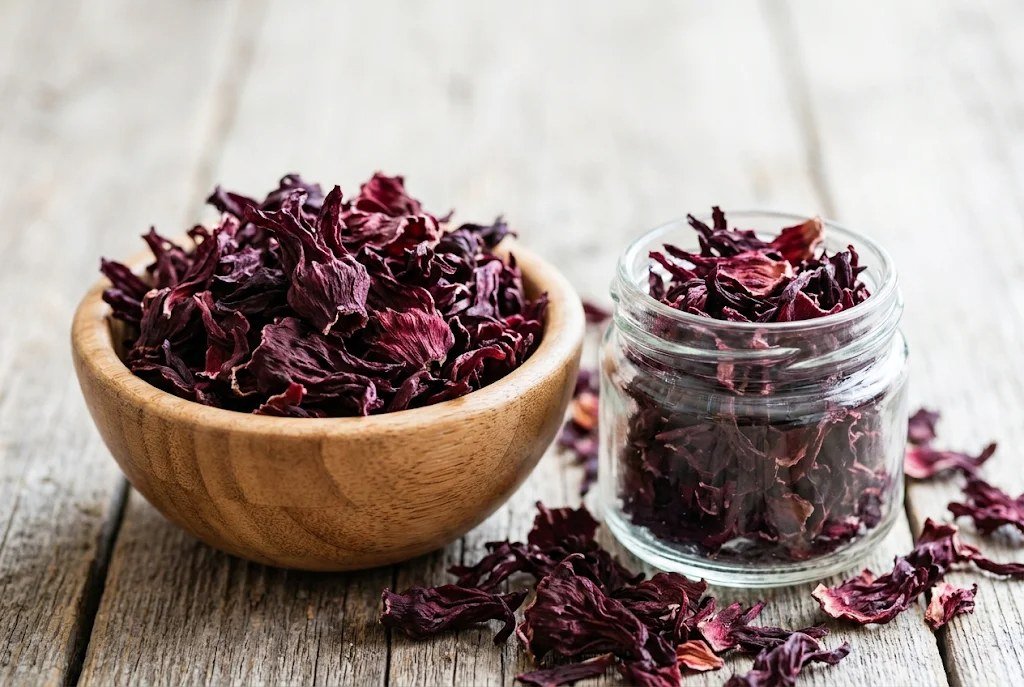
Hibiscus tea, also called sorrel, roselle or agua de jamaica, is made by steeping the dried calyces (the outer petal-like cups) of the Hibiscus sabdariffa flower in hot water. Despite the name, it is not a true tea because it does not come from the tea plant, so it has no caffeine. The flavor is bright, tangy and often compared to cranberry, which is why it is usually sweetened a little or blended with other flavors.
It is popular around the world: served cold as agua de jamaica in Mexico, as sobolo in West Africa, as karkade in Egypt and as sorrel drink in the Caribbean. That long history of everyday use is part of why researchers have studied it.
8 Hibiscus Tea Benefits Backed by Research
1. It can modestly lower blood pressure
This is the headline of hibiscus tea benefits. In one well-known trial of adults with mildly elevated blood pressure, drinking about three cups a day for six weeks lowered systolic pressure by roughly 7 mmHg compared with placebo. Later reviews of several trials found small but consistent reductions, particularly in people who started with higher readings. You can browse the abstracts yourself in clinical trials on hibiscus and blood pressure. The effect is similar in size to some lifestyle changes, but it is not a replacement for medication. For more on healthy ranges, see the MedlinePlus guide to high blood pressure.
2. It is rich in antioxidants
The red pigments in hibiscus, called anthocyanins, along with other polyphenols, have strong antioxidant activity in laboratory tests. Antioxidants neutralize unstable molecules called free radicals. Whether drinking the tea translates into long-term health gains in people is less certain, but it is a healthier, more colorful choice than sugary drinks.
3. It may support healthier cholesterol
Some trials show that hibiscus lowered total cholesterol or LDL slightly, while others found no difference. Results are mixed, and most studies are small. Treat any cholesterol effect as a possible bonus, and keep up diet, exercise and any prescribed treatment.
4. It could help with blood sugar
A few small studies in people with type 2 diabetes suggest that hibiscus tea may lower fasting glucose slightly. The data are limited, and because it can interact with diabetes medicine, anyone who takes it should check with a doctor before making it a daily habit.
5. It may help with weight management in small ways
Hibiscus extract has been linked to modest reductions in body weight and waist size in some short trials, but they typically used concentrated extracts, not tea. The most reliable weight advantage of drinking hibiscus tea is simple: an unsweetened cup is basically calorie-free, so it can replace soda, juice and sweetened coffee drinks. If you want other low-calorie drinks, see our guides to chia water for weight loss and the natural Ozempic drink, and read why we are cautious about such claims.
6. It may be gentle on the liver
Preliminary research, including a few small human trials, found improvements in liver fat markers with hibiscus extracts. The evidence is early, and nobody should treat fatty liver disease with tea alone.
7. It is caffeine-free and good any time of day
Because hibiscus has no caffeine, it will not interfere with sleep, make you jittery or add to the caffeine in coffee. That makes it a good evening drink, and it works well for people who are sensitive to caffeine or are cutting back.
8. It supports hydration without added sugar
Like lemon water, hibiscus tea is a flavorful way to drink more fluid. Many people find plain water boring, and a pitcher of cold hibiscus tea in the fridge makes it easier to reach daily fluid goals.
Hibiscus Tea Benefits: What Is Hype?
- Burns belly fat: there is no such effect. Small weight changes in trials came from extracts, not tea.
- Cures high blood pressure: it can modestly lower it, but it does not replace medicine or lifestyle changes.
- Detoxes the body: your liver and kidneys do that. No tea cleanses you.
- Boosts fertility or regulates periods: the claims are based on tradition, not good research, and there are safety concerns in pregnancy.
- Prevents cancer: lab studies show antioxidant effects, but there is no proof in people.
Hibiscus Tea Side Effects and Who Should Avoid It
Hibiscus tea is considered safe for most healthy adults in food amounts, but there are important cautions.
- Low blood pressure: if your blood pressure is already low, or you take medication to lower it, hibiscus may push it too low. Watch for dizziness or fatigue.
- Medication interactions: it may interact with blood pressure drugs, diuretics such as hydrochlorothiazide and diabetes medicines. Ask your pharmacist before drinking it regularly.
- Pregnancy and breastfeeding: avoid hibiscus tea in pregnancy because it may stimulate menstruation and has not been proven safe. Ask your provider if breastfeeding.
- Upcoming surgery: because it can affect blood pressure and blood sugar, stop drinking it at least two weeks before scheduled surgery, as advised by many clinicians.
- Estrogen-sensitive conditions: hibiscus may have mild hormone-like effects, so discuss it with a doctor if you have such a condition.
- Stomach upset or tooth sensitivity: the tea is acidic and may bother reflux or enamel in some people.
High doses and concentrated extracts carry more risk than normal tea. Stay within 1 to 3 cups a day and speak with a healthcare professional if you have any medical condition.
How to Make Hibiscus Tea (Hot or Iced)
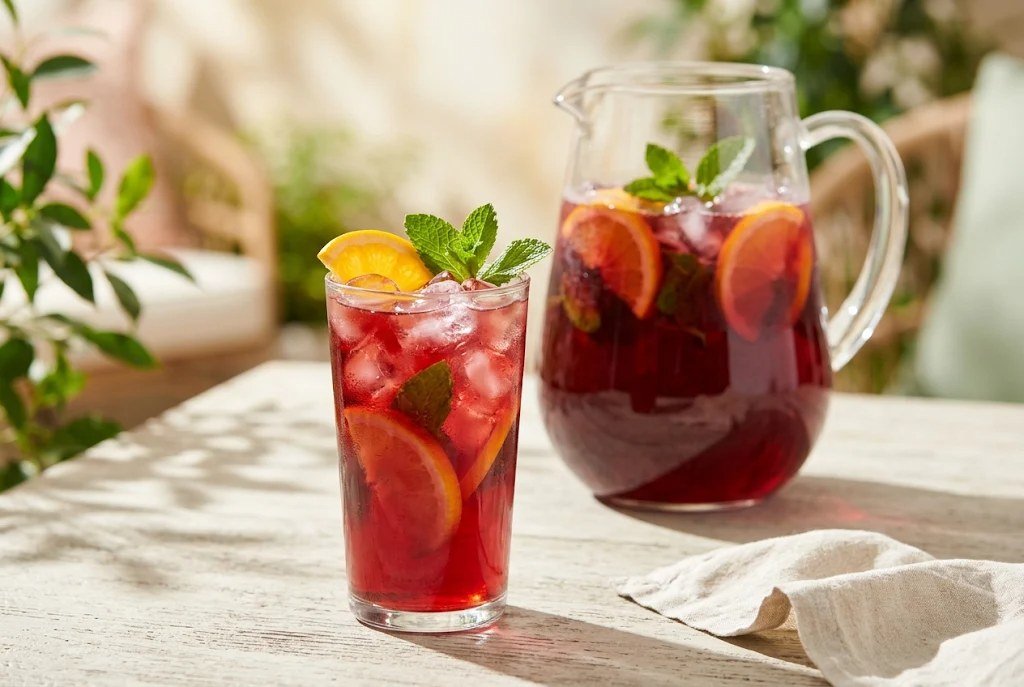
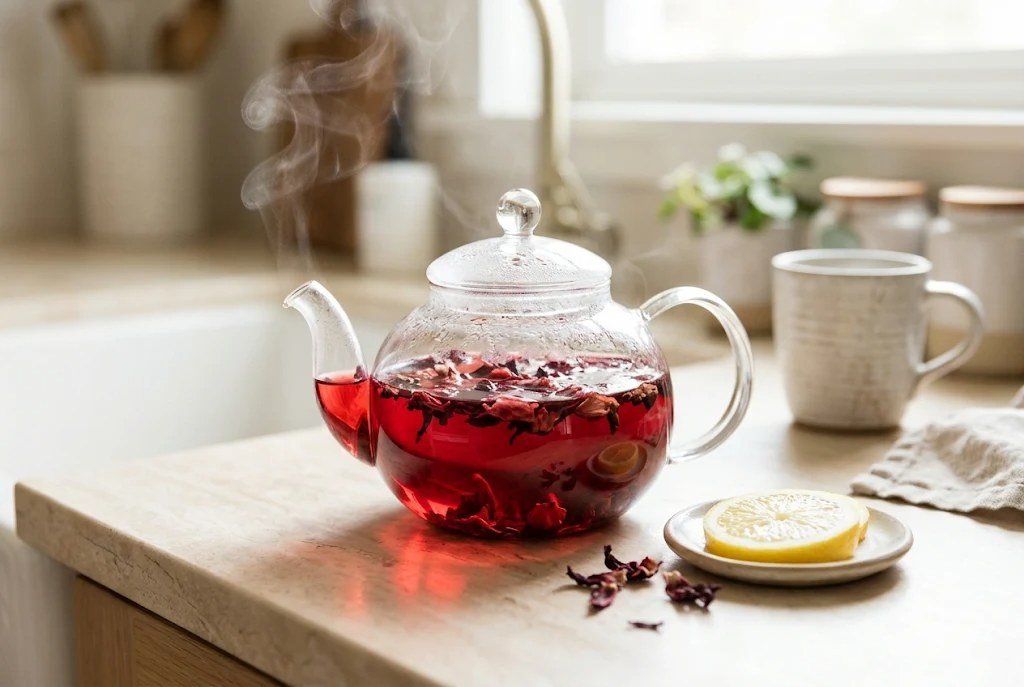
Making hibiscus tea takes about 15 minutes, and you only need dried flowers, water and a sweetener if you like. Buy food-grade dried hibiscus from a grocery store, tea shop or a Mexican or Middle Eastern market. The full recipe is below.
Hibiscus Tea (Hot or Iced)
Ingredients
Method
- Bring the water to a boil in a small pot, then remove it from the heat.
- Add the dried hibiscus flowers, cover and steep for 5 to 10 minutes. Steep longer for a stronger, more tart tea.
- Strain the tea through a fine sieve into a pitcher or mugs, pressing lightly on the flowers.
- Stir in honey or maple syrup while the tea is still warm, if using. Taste and adjust.
- Serve hot with a lemon slice, or chill for 2 hours and serve over ice. Keep leftovers refrigerated for up to 4 days.
Notes
Tips for the best flavor
- Do not over-steep: more than 15 minutes can make the tea bitter and sour.
- Balance the tartness: a little honey, orange slices or a cinnamon stick softens the sharpness.
- Try a cold brew: soak the flowers in cold water in the fridge for 8 to 12 hours for a smoother taste.
- Reuse the flowers once: a second, lighter steeping works well for iced tea.
- Use a glass or ceramic container: hibiscus stains plastic and can taste metallic in some metals.
How Much Hibiscus Tea Should You Drink for the Benefits?
Most of the hibiscus tea benefits seen in trials came from around two to three cups a day, usually made with 1.5 to 2 grams of dried flowers per cup, for four to twelve weeks. That is about one heaping teaspoon of dried calyces for each cup of water. Start with one cup a day for the first week to see how your body reacts, especially if you take any medication or have naturally low blood pressure.
Timing is flexible. Some people prefer a cup with breakfast, while others drink it chilled in the afternoon or warm in the evening. Because hibiscus is a mild diuretic for some people, you may want to avoid a large mug right before bed if you wake up to use the bathroom. Consistency matters more than the exact hour, since blood pressure effects in studies showed up after weeks, not days.
| Goal | Suggested amount | How long to try it |
|---|---|---|
| General enjoyment and hydration | 1 cup a day | Ongoing |
| Possible blood pressure support (with doctor approval) | 2 to 3 cups a day | 6 to 12 weeks, then recheck readings |
| Replacing sugary drinks | 1 to 2 glasses of iced hibiscus tea | Ongoing |
How to choose good dried hibiscus
Look for whole, deep-red calyces without stems, dust or dark brown pieces, which are signs of old stock. Smell them: fresh hibiscus has a fruity, floral scent. Organic is a good choice if you plan to drink it daily, and a sealed bag stored in a cool, dark cupboard keeps for about a year. Tea bags are convenient, but they often contain a blend and a lower hibiscus dose, so check the label if you are drinking the tea for its hibiscus tea benefits.
Hibiscus Tea vs Other Popular Drinks
| Drink | Caffeine | Calories (8 oz) | Standout feature |
|---|---|---|---|
| Hibiscus tea | None | about 2 | Tart flavor, may lower blood pressure |
| Green tea | 25 to 35 mg | about 2 | Catechins, mild caffeine |
| Black coffee | about 95 mg | about 2 | Alertness |
| Lemon water | None | about 5 | Hydration, vitamin C |
| Cranberry juice (sweetened) | None | about 110 | Urinary health claims, lots of sugar |
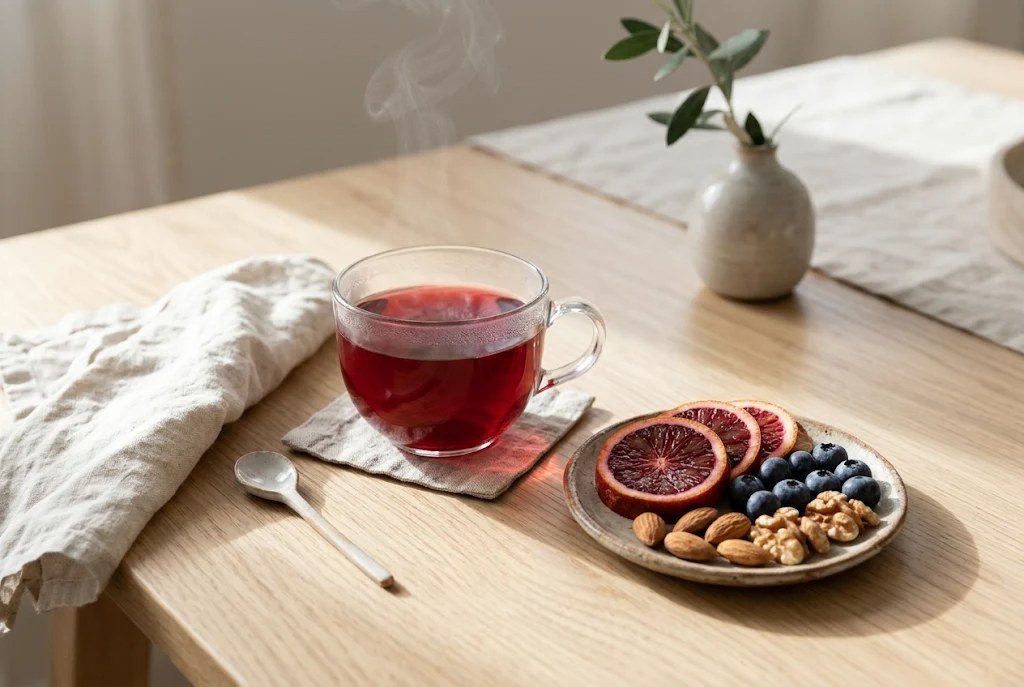
Hibiscus tea fits nicely into a balanced day. Pair a warm cup with a protein-rich meal from our list of high protein breakfast ideas, or sip it in the afternoon instead of a sweetened drink. For the calorie and nutrient details of fruit, nuts and other ingredients, USDA FoodData Central is a reliable reference.
Frequently Asked Questions About Hibiscus Tea Benefits
What are the main hibiscus tea benefits?
The best-supported hibiscus tea benefits are modest reductions in blood pressure and a high antioxidant content. It is also caffeine-free and nearly calorie-free, so it can replace sugary drinks. Evidence for cholesterol, blood sugar and weight loss is early and mixed.
How many cups of hibiscus tea a day is safe?
One to three cups a day is the range used in most studies and is considered safe for most healthy adults. Check with a doctor first if you take blood pressure or diabetes medication.
Does hibiscus tea lower blood pressure?
Several trials show it can lower blood pressure modestly, around 5 to 7 mmHg systolic in some studies, especially in people with mildly high readings. It is not a substitute for prescribed treatment.
Who should not drink hibiscus tea?
Pregnant women, people with low blood pressure, anyone taking blood pressure, diuretic or diabetes medication without medical approval, and people scheduled for surgery within two weeks should avoid or ask a doctor first.
Is it better to drink hibiscus tea hot or cold?
There is no difference in the benefits. Drink it however you enjoy it. Cold-brewed tea tastes smoother, and hot tea feels soothing.
Can I drink hibiscus tea every day?
Most healthy adults can drink it daily in moderation. Take breaks if you notice dizziness or stomach upset and speak with a doctor if you have any health conditions.
Final Thoughts on Hibiscus Tea Benefits
Among herbal drinks, hibiscus tea benefits are some of the best supported, mainly a modest effect on blood pressure and a rich supply of antioxidants, all with almost no calories and no caffeine. It is not a miracle or a replacement for medical care, and it is not right for everyone, especially during pregnancy or with certain medicines. If you are cleared to drink it, brew a pitcher this weekend, keep it in the fridge and enjoy a tart, ruby-red alternative to sugary drinks.
This article is for general information and is not medical advice. Always talk to your doctor or pharmacist before adding hibiscus tea to your routine if you take medication or have a health condition.

One Comment