Homemade Gelatin Gummies: Easy 4-Ingredient Recipe (8 Flavors)
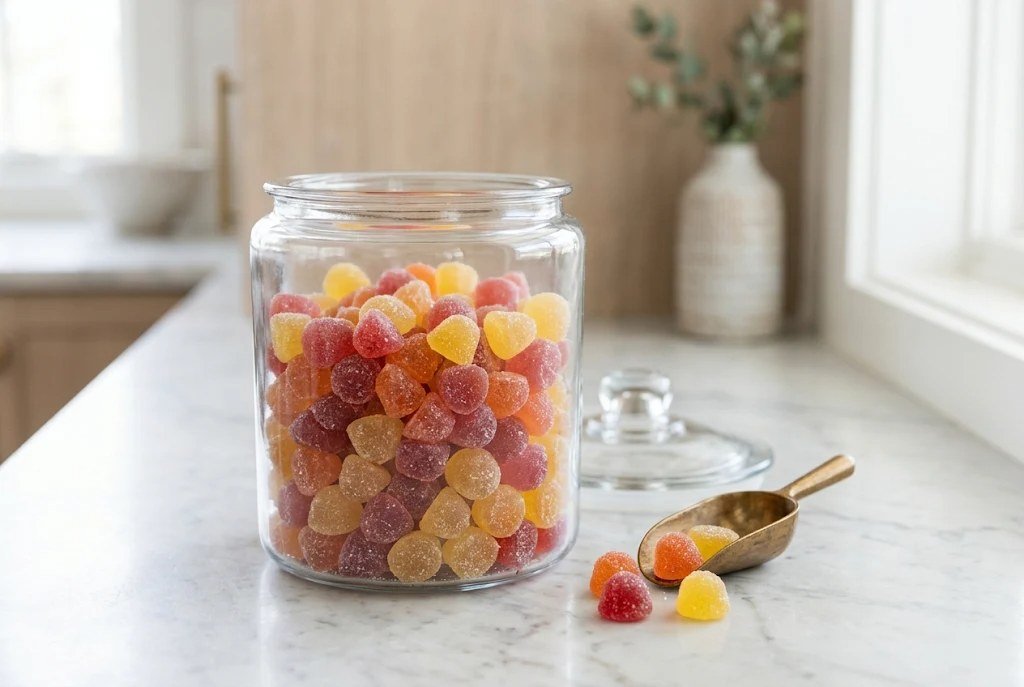
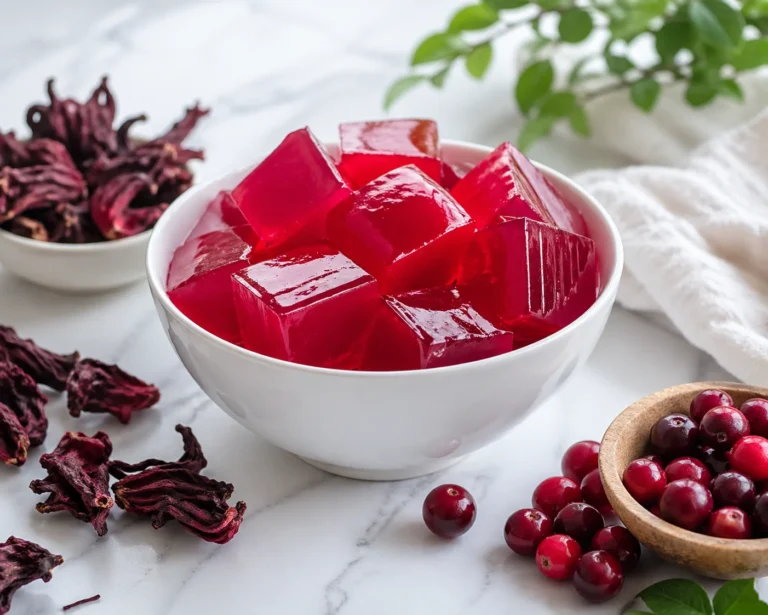
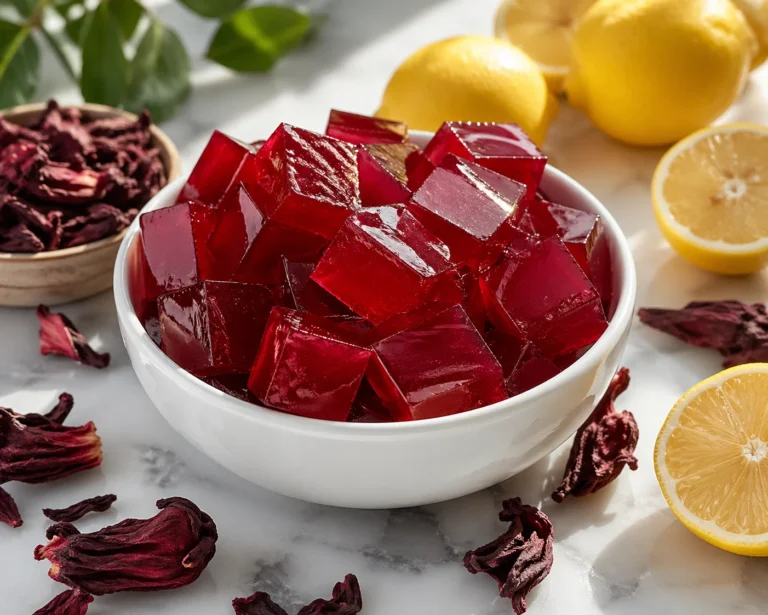
Homemade gelatin gummies are easy to make with just fruit juice, gelatin and a little honey, and they come out chewy, bouncy and far more flexible than the store-bought kind. You control the sweetness, skip the artificial colors, and can make them in any flavor you like. The whole process takes about 15 minutes of work plus 30 minutes in the fridge.
This guide gives you the exact ratio for homemade gelatin gummies, a step-by-step method with a mold or a baking dish, eight flavors, troubleshooting for sticky or rubbery gummies, and clear storage advice. If you are new to gelatin, start with our comparison of gelatin vs jello to understand what you are buying.

Table of Contents
Table of Contents
Homemade Gelatin Gummies: Key Takeaways
- The best ratio for homemade gelatin gummies is 1 cup of fruit juice to 4 tablespoons (about 36 g) of unflavored gelatin for a classic chewy gummy.
- Homemade gelatin gummies need 10 minutes of hands-on time and about 30 minutes in the fridge to set.
- Bloom the gelatin in cold juice first, then warm gently; boiling weakens the set of homemade gelatin gummies.
- Do not use fresh pineapple, kiwi or papaya juice in homemade gelatin gummies, because their enzymes stop gelatin from setting.
- One homemade gelatin gummy has about 10 calories and roughly 1 g of protein, depending on the juice and sweetener you choose.
- Store homemade gelatin gummies in the refrigerator in an airtight container for about 1 week.
- Homemade gelatin gummies are a candy-style treat and a choking hazard for young children, so serve them with care.
Homemade Gelatin Gummies at a Glance
- Yield: about 40 small gummies (depends on mold size)
- Active time: 10 minutes
- Chill time: 20 to 30 minutes in the fridge
- Ingredients: fruit juice, unflavored gelatin, honey or maple syrup, lemon juice
- Storage: up to 1 week in the fridge
Homemade Gelatin Gummies Ingredients and Equipment
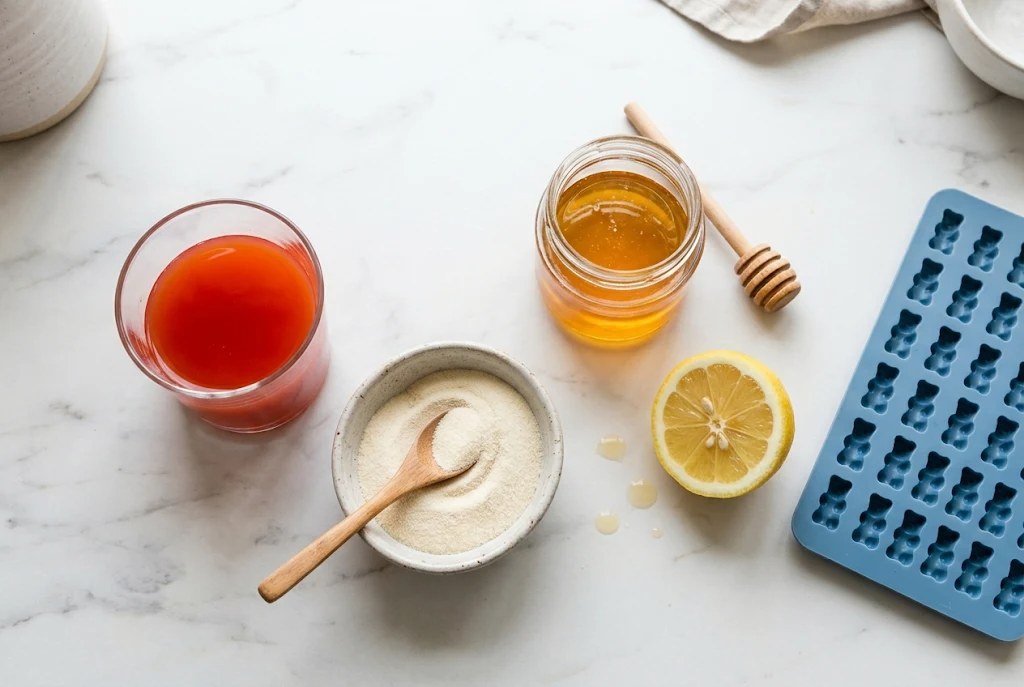
- 1 cup (240 ml) 100% fruit juice: tart cherry, orange, apple, grape or cranberry all work well. Pasteurized bottled juice is the most reliable.
- 4 tablespoons (about 36 g) unflavored gelatin powder: roughly five standard 7 g packets. Use plain gelatin, not flavored jello mix.
- 2 tablespoons honey or maple syrup (optional): for extra sweetness. Do not give honey to children under one year old.
- 1 teaspoon lemon juice (optional): brightens the flavor and balances sweetness.
Equipment: a small saucepan, a whisk, silicone gummy molds (bears, hearts or any shape) or an 8-inch baking dish lined with parchment, a dropper or small spoon for filling molds, and an airtight container. See our guide to the best gelatin powder if you are choosing a brand.

Homemade Gelatin Gummies
Ingredients
Method
- Pour 1/2 cup of the cold juice into a small saucepan and sprinkle the gelatin over it. Let it bloom for 5 minutes without stirring.
- Add the remaining 1/2 cup of juice, the honey and the lemon juice. Warm over low heat, whisking, for 2 to 4 minutes until the gelatin is completely dissolved. Do not boil.
- Remove from the heat and skim off any foam. Use a dropper or small spoon to fill silicone gummy molds, working quickly.
- Refrigerate for 20 to 30 minutes until firm, then press the gummies out of the molds.
- For a chewier texture, let the gummies air dry on parchment for 12 to 24 hours, turning once.
- Store in an airtight container in the refrigerator for up to 1 week.
Notes
How to Make Homemade Gelatin Gummies Step by Step
Step 1: Bloom the gelatin
Pour 1/2 cup of the cold juice into a small saucepan and sprinkle the gelatin evenly over the surface. Do not stir. Let it sit for 5 minutes until it looks thick and wrinkled. This “blooming” step helps the gelatin dissolve evenly and prevents lumps.
Step 2: Warm gently
Add the remaining 1/2 cup of juice, the honey and the lemon juice. Warm over low heat, whisking constantly, for 2 to 4 minutes until the gelatin has completely dissolved and the mixture looks smooth. Do not let it boil, because high heat weakens the gel.
Step 3: Fill the molds
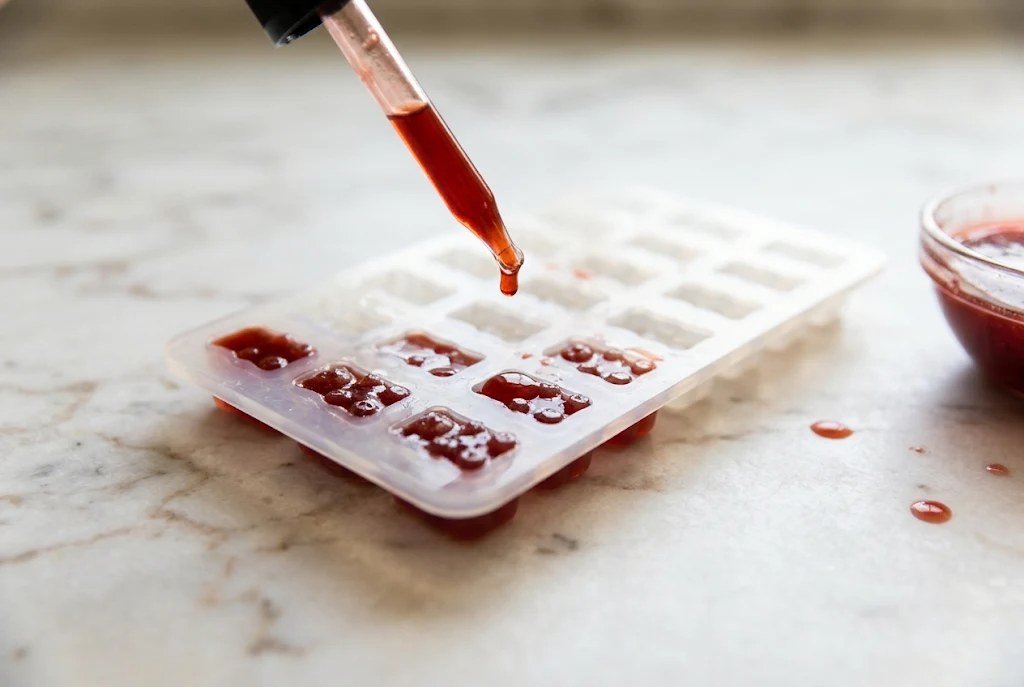
Remove the pan from the heat. Skim off any foam with a spoon, which makes clearer gummies. Use a dropper or a small spoon to fill the silicone molds. Work quickly, because the mixture thickens as it cools. If it starts to set in the pan, warm it gently for 20 seconds.
Step 4: Chill and pop out
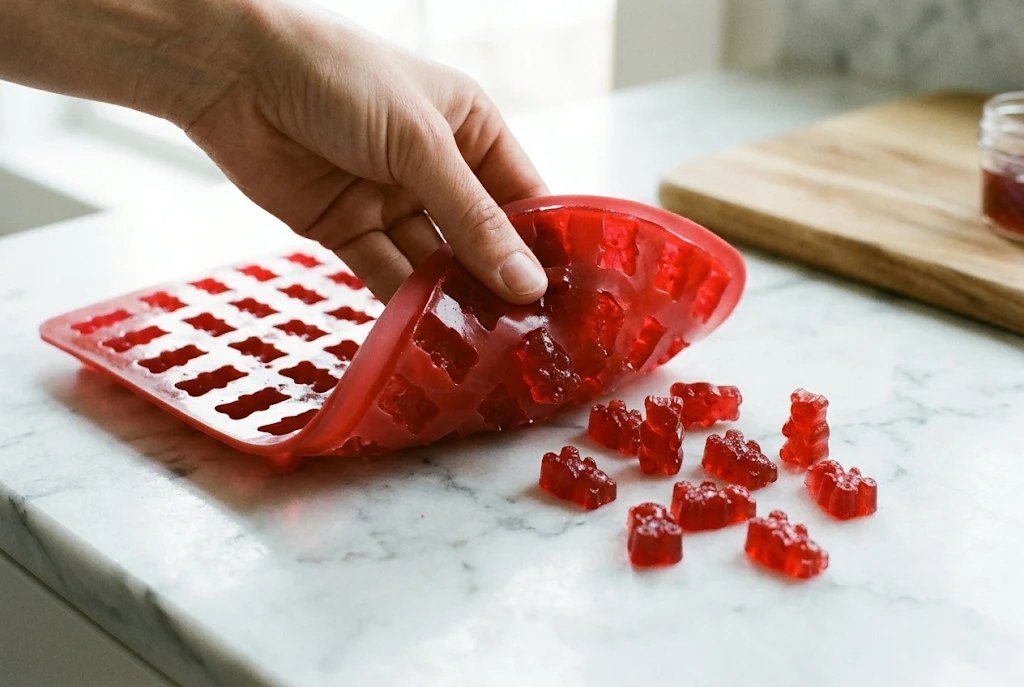
Refrigerate the molds for 20 to 30 minutes until firm. Gently press the gummies out of the molds. For a chewier, firmer texture, leave them uncovered at room temperature for 12 to 24 hours to dry slightly, turning once.
Homemade Gelatin Gummies Ratio Guide
The amount of gelatin controls the texture. These ratios are for 1 cup (240 ml) of liquid. Gelatin brands vary in strength, so adjust after your first batch.
| Texture | Gelatin per 1 cup of juice | Result |
|---|---|---|
| Soft and jiggly | 2 to 3 tablespoons | Wobbly bites, closer to jello cubes |
| Classic chewy (my pick) | 4 tablespoons (about 36 g) | Bouncy, holds its shape, like gummy bears |
| Extra firm and chewy | 5 tablespoons | Very firm, slightly rubbery |
8 Homemade Gelatin Gummies Flavors
All flavors use the same ratio of juice to gelatin. Swap the juice or add the extras in step 2.
1. Tart cherry
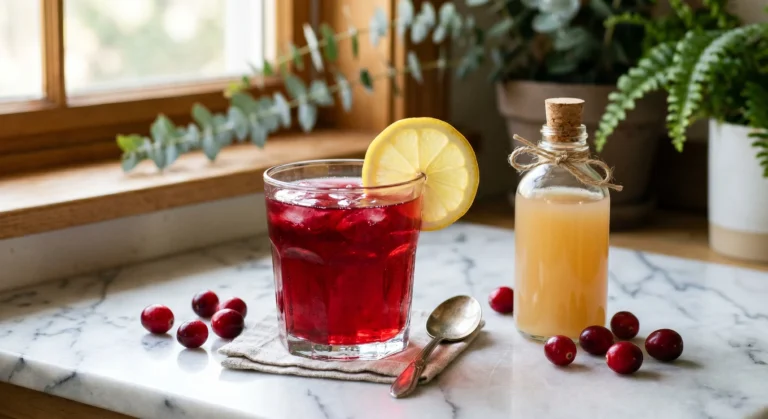
Use 100% tart cherry juice and a teaspoon of honey. It has a deep red color and a tangy flavor that needs very little sweetener.
2. Orange
Use orange juice with pulp strained out and a pinch of lemon zest.
3. Strawberry
Blend 1/2 cup of ripe strawberries with 1/2 cup of water, strain and use it as the juice.
4. Sour lemonade
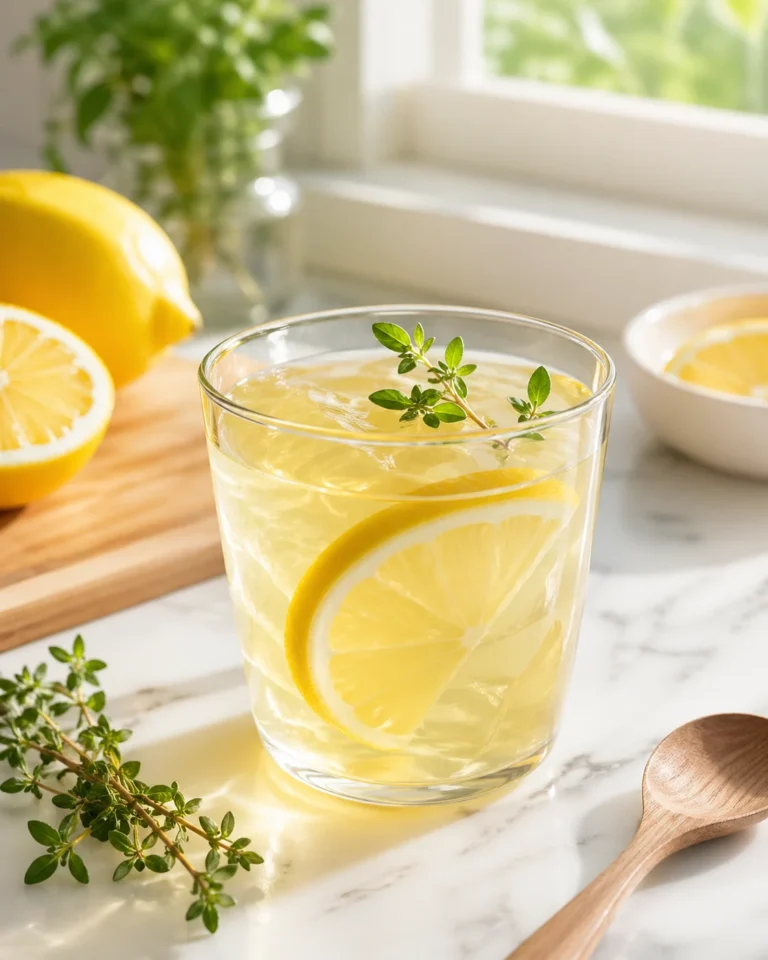
Use 1/2 cup lemon juice, 1/2 cup water and 2 tablespoons honey. Toss finished gummies in 1 teaspoon citric acid mixed with 1 tablespoon sugar for a sour coating.
5. Grape
Use 100% grape juice and no added sweetener. It is already sweet.
6. Apple cinnamon
Use apple juice with 1/4 teaspoon cinnamon.
7. Tropical (cooked or canned only)
Use canned pineapple juice or mango juice from a bottle that has been pasteurized. Fresh pineapple, kiwi and papaya break down gelatin and will stop it from setting.
8. Mixed berry
Use a berry juice blend or blend frozen berries with water, strain and use as the juice.
Homemade Gelatin Gummies Troubleshooting
My gummies are too soft or did not set
The usual causes are too little gelatin, too much liquid, boiling the mixture, or using fresh pineapple, kiwi or papaya. Measure carefully, use bottled juice, and chill longer. You can re-melt a soft batch, add another tablespoon of bloomed gelatin and set it again.
They are too hard or rubbery
Use less gelatin next time (3 to 4 tablespoons per cup), and do not let them dry out for too long.
They are sticky
Gummies sweat when stored warm or in a humid container. Air dry them for several hours, place parchment between layers, and store them in the fridge.
There are bubbles or foam
Whisk gently and skim off the foam before pouring. A quick tap of the mold on the counter pops trapped bubbles.
They stick to the mold
Chill them thoroughly before removing, and gently flex the silicone. A very light brush of neutral oil in the mold can help.
How to Store Homemade Gelatin Gummies
- Refrigerator: store in an airtight container for about 1 week. Layer with parchment to prevent sticking.
- Room temperature: only for a few hours, because gelatin softens and melts in warm conditions, such as a hot kitchen or a car.
- Freezer: not recommended, because the texture can turn watery after thawing.
- Gifts: keep them chilled and give them with storage instructions.
Are Homemade Gelatin Gummies Healthy?
Homemade gelatin gummies are a candy-style treat. They contain a small amount of protein from gelatin, but gelatin is an incomplete protein, and the sugar from juice and honey adds up. You can check the sugar and calories of your chosen juice in the USDA FoodData Central database, and you can browse published research on gelatin and collagen on PubMed, although there are no good studies on homemade gummies themselves. They are a better choice than gummies loaded with artificial colors and corn syrup, but you should still enjoy them in moderation. We do not recommend adding vitamins or supplements to homemade gelatin gummies, because you cannot ensure an accurate, even dose in every piece.
Because gummies are small and chewy, they can be a choking hazard for young children. Serve them only to children old enough to chew them well, and always supervise. Honey should not be given to babies under one year old. If you need a plant-based version, use agar-agar or pectin recipes instead; see our guide to gelatin alternatives in gelatin vs jello.
How Gelatin Makes Gummies Chewy
Gelatin is a protein made of long chains that unfold in hot liquid and then tangle into a net as the mixture cools. That net traps water, which is why a small amount of powder can turn a whole cup of juice into a solid. The more gelatin you use per cup, the tighter the net and the chewier the result. Heat does not harm the protein, but a rolling boil can break the chains into shorter pieces and weaken the gel, so gentle warmth is better.
Acid also matters. Very sour juices, such as lemon or cranberry, can slightly reduce the strength of a gel, which is why sour gummies sometimes need a little extra gelatin or a short air-drying time. If your batch is softer than you like, add a tablespoon of gelatin next time rather than chilling it for hours.
Tips for Clear, Glossy Gummies
- Skim the foam from the surface before you fill the molds. This is the number one trick for glossy gummies.
- Strain pulpy juices or blended fruit through a fine sieve so the gummies are smooth.
- Fill molds slowly with a dropper to avoid trapping air bubbles.
- Chill on a flat shelf so the surface sets level.
- Let gummies air dry for a few hours on parchment if you want a firmer, less sticky surface.
How to Make Gummies Without a Mold
You do not need special molds. Pour the mixture into an 8-inch baking dish lined with parchment paper, chill for 30 to 45 minutes, and cut the sheet into squares with a small knife or cookie cutters. Ice cube trays, mini muffin liners and silicone candy molds also work. A thicker layer needs a little more chill time, and the result will be larger, softer gummies.
Sweeteners and Sugar-Free Options
- Honey or maple syrup: add a mild, natural sweetness. Use 1 to 2 tablespoons per cup of juice.
- 100% juice only: skip extra sweetener when you use sweet juices such as grape or apple.
- Sugar-free sweeteners: work well in a lemonade-style gummy made with water, lemon juice and sweetener.
- Diabetes or special diets: ask your doctor or dietitian, because juice and honey are still sugars.
Gummies, Jello Cubes and Candy: What Is the Difference?
Jello cubes are soft and wobbly because they use less gelatin per cup, while commercial gummy candy gets its chew from a lot of gelatin plus sugar syrup and starch. Homemade versions sit in between: with 4 tablespoons of gelatin per cup, they are firm enough to hold a shape but still tender, with a clean fruit flavor. If you prefer a soft jiggle, our pink gelatin cubes use a lower ratio.
Making Gummies with Kids Safely
- An adult should handle all hot liquid, because the mixture is hot when it is poured.
- Children can help measure, stir (once cool enough) and choose flavors.
- Serve gummies in small amounts, and only to children who chew well. They are a choking hazard for toddlers.
- Check for allergies and dietary restrictions. Gelatin is an animal product.
Frequently Asked Questions About Homemade Gelatin Gummies
What is the ratio for homemade gelatin gummies?
Use 1 cup of fruit juice to 4 tablespoons (about 36 g) of unflavored gelatin for classic chewy gummies. Use 2 to 3 tablespoons for a softer result.
How long do homemade gelatin gummies take to set?
They set in 20 to 30 minutes in the fridge. For a chewier gummy, let them air dry for 12 to 24 hours after removing them from the mold.
Why did my gelatin gummies not set?
Common reasons are too little gelatin, boiling the mixture, or using fresh pineapple, kiwi or papaya juice, whose enzymes break down gelatin.
How long do homemade gelatin gummies last?
About 1 week in an airtight container in the refrigerator.
Can I make gummies without sugar?
Yes. Use 100% fruit juice and skip the honey, or use a sugar-free sweetener. Juice still contains natural sugars.
Can I use jello instead of gelatin?
Jello can make a soft, sweet treat but adds sugar and artificial colors, and its ratio differs. For true gummies, use plain unflavored gelatin.
Are homemade gelatin gummies vegan?
No. Gelatin comes from animal collagen. Use agar-agar or pectin and a recipe written for them.
Can I add vitamins to homemade gelatin gummies?
We do not recommend it, because you cannot guarantee an accurate dose in every gummy. Talk to your doctor about supplements.
Final Thoughts on Homemade Gelatin Gummies
Once you have the ratio down, homemade gelatin gummies are a quick, flexible treat: pick a juice, bloom, warm, pour and chill. Start with tart cherry or orange, try the sour coating, and keep a jar in the fridge. For more gelatin recipes, try our pink gelatin cubes or learn how plain gelatin differs from collagen in gelatin vs collagen peptides.


4 Comments