Gelatin vs Jello: 7 Surprising Differences (Best Easy Guide)
Gelatin vs jello is one of the most common kitchen mix-ups: people use the two words as if they were the same thing, then wonder why a recipe did not set or why a “gelatin” drink tastes like candy. The short version is that gelatin is an ingredient, while Jell-O is a sweetened, flavored dessert brand that contains it. That single difference changes the nutrition, the cost, how you cook with them and which one belongs in your pantry.
Related reading: the full list of gelatin benefits and a creamy greek yogurt and jello recipe to try.
This guide explains gelatin vs jello in plain language: what each one is, what is really in the box, how the nutrition compares, how to substitute one for the other, which fruits ruin the set, and what to use if you avoid animal products. If you want to go further, see our guides on gelatin vs collagen peptides and the best gelatin powder.

Table of Contents
Table of Contents
Gelatin vs Jello: Key Takeaways
- The simplest answer to gelatin vs jello is that gelatin is a plain protein ingredient and Jell-O is a sweet, flavored dessert made with gelatin.
- In gelatin vs jello, unflavored gelatin has no sugar, while regular jello is mostly sugar by weight.
- A 7 g packet of unflavored gelatin has about 6 g of protein; in gelatin vs jello, a serving of prepared jello has only about 1 to 2 g.
- You can make jello-style dessert from plain gelatin, juice and a little sweetener, but you cannot turn a jello box back into plain gelatin.
- For gelatin vs jello in the kitchen, use gelatin for panna cotta, mousse, gummies and thickening, and jello for quick colorful desserts.
- Fresh pineapple, kiwi and papaya stop both gelatin and jello from setting, so use cooked or canned fruit.
- Gelatin vs jello is not a vegetarian choice: both are made from animal collagen, so choose agar-agar or pectin instead.
Gelatin vs Jello: The Short Answer
Gelatin is a colorless, nearly tasteless protein made by partially breaking down collagen from animal skin, bones and connective tissue, usually from pigs or cows. It is sold as a powder or sheets, and it dissolves in hot liquid and sets into a jiggly gel when it cools. Brands such as Knox sell it unflavored.
Jell-O, often written “jello”, is a trademarked brand of ready-to-mix dessert. A box contains gelatin plus sugar or artificial sweeteners, acids, flavorings and colors. In everyday speech, many Americans say “jello” for any gelatin dessert, which is where the confusion starts. When you compare gelatin vs jello, you are really comparing a raw ingredient with a finished mix.
| Unflavored gelatin | Jell-O (jello) mix | |
|---|---|---|
| What it is | Plain collagen-derived protein | Flavored dessert mix that contains gelatin |
| Main ingredients | Gelatin only | Sugar (or sweeteners), gelatin, acids, flavors, colors |
| Flavor | None | Fruit flavors, sweet |
| Sugar | 0 g | About 17 to 19 g per prepared 1/2 cup (regular) |
| Protein | About 6 g per 7 g packet | About 1 to 2 g per serving |
| Best for | Cooking, gummies, panna cotta, thickening | Quick colorful desserts and salads |
What Is Gelatin? Gelatin vs Jello Basics
Gelatin is made by cooking collagen in water until it breaks down into smaller protein chains. It is the reason chilled bone broth turns wobbly, and it is the setting agent behind marshmallows, gummy candy and many yogurts. The powder is rich in the amino acids glycine and proline, but it is an incomplete protein because it lacks tryptophan and is low in several other essential amino acids.
A standard 1/4-ounce (7 g) packet of unflavored gelatin contains about 25 calories and about 6 grams of protein, with no sugar. That is why people use it as a small protein top-up, as covered in our guide to the gelatin trick. It is also why it matters in the gelatin vs jello comparison: you control everything else that goes into the bowl.
What Is Jell-O? Jello in the Gelatin vs Jello Debate
Jell-O is a consumer brand now owned by Kraft Heinz. Its powder mix is designed to be easy: add boiling water, stir, add cold water, and chill. Regular flavors list sugar first, followed by gelatin, acids that control tartness and set, flavorings and colors. Sugar-free flavors replace sugar with artificial sweeteners.

Because the box contains more sugar and flavor than gelatin, jello tastes like dessert out of the box. It also has less protein per serving than a spoonful of unflavored gelatin. If you are asking whether the colorful dessert counts as a protein source, the gelatin vs jello answer is no: it is a sweet treat that happens to contain some gelatin. Our Kelly Clarkson jello recipe fact check explains how viral claims often confuse the two.
Gelatin vs Jello: Nutrition Compared
Nutrition changes with the flavor, brand and how you prepare each one, so treat the numbers as approximate. They are based on typical values from the USDA FoodData Central database and manufacturer labels.
| Per serving | Unflavored gelatin (1 packet, 7 g) | Regular jello (1/2 cup prepared) | Sugar-free jello (1/2 cup prepared) |
|---|---|---|---|
| Calories | About 25 | About 70 to 80 | About 10 |
| Protein | About 6 g | About 1 to 2 g | About 1 g |
| Sugar | 0 g | About 17 to 19 g | 0 g |
| Sweetener | None | Sugar | Artificial sweeteners |
| Colors and flavors | None | Yes | Yes |
Looking at gelatin vs jello this way, plain gelatin wins on protein and ingredient simplicity, while jello wins on convenience and taste. Neither is a complete protein, and neither is a nutrition powerhouse.
Gelatin vs Jello Ingredients: What Is in the Box?
- Unflavored gelatin: one ingredient, gelatin. Some products add nothing at all, which makes it easy to check the label.
- Regular jello: sugar, gelatin, adipic acid, disodium phosphate, fumaric acid, artificial flavor and colors such as Red 40. Exact lists vary by flavor.
- Sugar-free jello: gelatin, adipic acid, artificial sweeteners such as aspartame and acesulfame potassium, flavors and colors.
- Why the extras matter: acids add tartness and help the set; colors and flavors make it look and taste like a dessert.
If you want a dessert without artificial colors, the gelatin vs jello choice is easy: use plain gelatin and real fruit juice. Our homemade gelatin gummies recipe is a good example.
Gelatin vs Jello: How They Set and How to Substitute
Both set as they cool, and both melt again when warmed because gelatin gels are thermoreversible. Gelatin melts at roughly body temperature, which is why a gelatin dessert goes soft on a warm table and feels like it “melts in your mouth”.
- Plain gelatin to make jello-style dessert: one 1/4-ounce (7 g) packet generally sets about 2 cups (480 ml) of liquid into a soft gel. Bloom it in a little cold liquid for 5 minutes, dissolve in hot liquid, add the rest of the liquid and sweetener, and chill for at least 4 hours.
- Jello instead of plain gelatin in a recipe: not a straight swap, because jello adds sugar, flavor and color. Use it only when a recipe calls for flavored gelatin dessert.
- Firmness: use more gelatin for firm gummies and less for a delicate panna cotta. Always follow the package directions for your product.
One more gelatin vs jello difference is control. With plain gelatin you decide how much sweetener, acid and flavor to add, so you can lower sugar or avoid dyes.
Fruits That Stop Gelatin and Jello from Setting

Fresh pineapple, kiwi, papaya, figs and ginger root contain protein-digesting enzymes (such as bromelain, actinidin and papain) that break the gelatin proteins apart so that nothing sets. This applies to both plain gelatin and jello. The fix is easy: use canned or cooked versions, because heat deactivates the enzymes, or choose fruits that do not interfere, such as berries, citrus, peaches and apples.
Gelatin vs Jello in Cooking and Baking
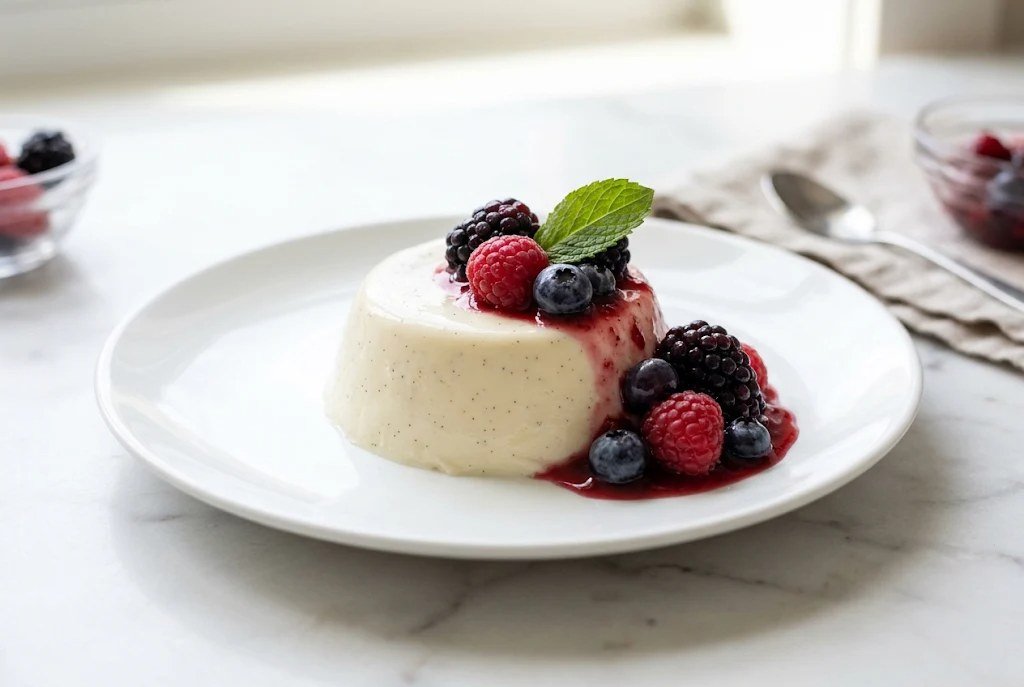
- Use plain gelatin for: panna cotta, mousse, cheesecake fillings, stabilized whipped cream, gummies, aspics and homemade marshmallows.
- Use jello for: quick fruit salads, layered party desserts, poke cakes and kids’ treats where bright color and sweetness are the point.
- Savory dishes: unflavored gelatin can set broths and terrines, while flavored jello does not belong in savory recipes.
Gelatin vs Jello: Which Is Healthier?
Neither is a health food, but the gelatin vs jello comparison is lopsided. Plain gelatin has no sugar and some protein, so it is easy to fit into a balanced diet. Regular jello is mostly sugar and water, so it is a dessert. Sugar-free jello has few calories but contains artificial sweeteners and colors, which some people prefer to avoid.
- Jello is often allowed on clear-liquid diets before certain medical tests, usually in light colors only. Follow your care team’s instructions about color and amount.
- Gelatin is not a complete protein, so it should supplement protein foods, not replace them.
- Claims that either one burns fat or fixes your gut are not supported by good evidence. See our honest look at the gelatin trick for details.
Gelatin vs Jello for Vegetarians and Vegans

Both plain gelatin and jello come from animal collagen, so neither suits vegetarian, vegan, halal or kosher diets unless the product is specifically certified. Plant-based options include:
- Agar-agar: made from red algae. It sets firmer and at room temperature, and it needs to be boiled to dissolve.
- Pectin: a fruit-based gelling agent used for jams and gummies.
- Carrageenan or vegetable gums: used in commercial vegan desserts.
These substitutes behave differently, so use recipes written for them rather than swapping one for one.
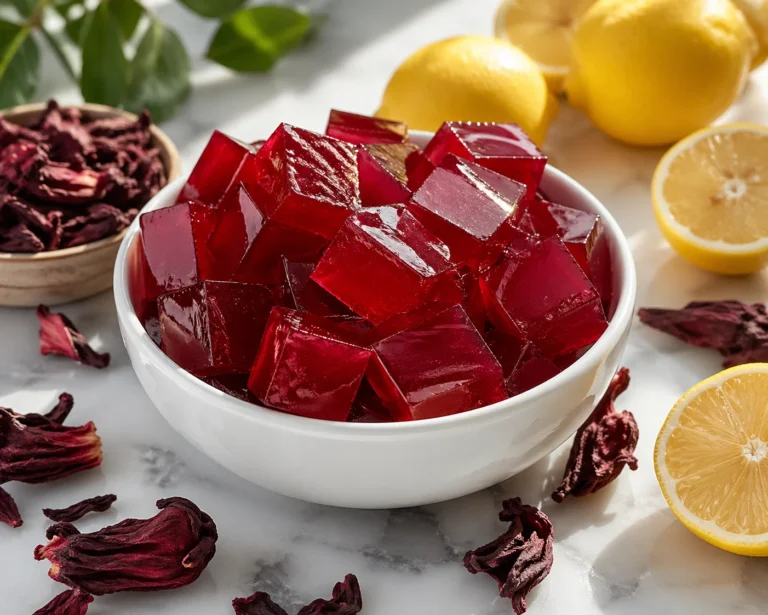
How to Make Your Own Jello from Plain Gelatin
- Pour 1/4 cup of cold juice into a bowl and sprinkle one 7 g packet of unflavored gelatin over it. Let it bloom for 5 minutes.
- Heat 1 3/4 cups of juice until steaming (not boiling) and pour it over the bloomed gelatin. Stir until completely dissolved.
- Taste and add a little honey or lemon juice if you like.
- Pour into a dish or molds and refrigerate for at least 4 hours, until set.
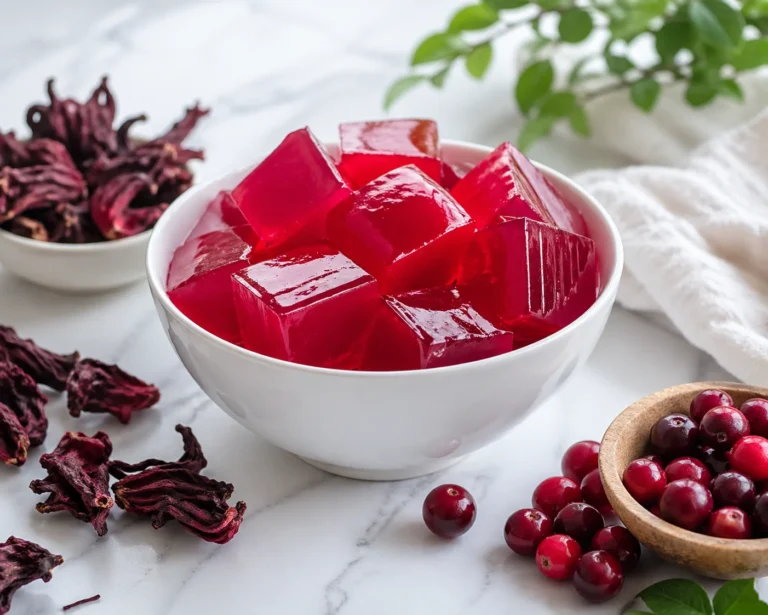
- Cut into cubes and serve cold.
Remember that fresh pineapple and kiwi will keep it from setting, so use apple, grape, cranberry or orange juice. For a chewier, firmer result, see our recipe for homemade gelatin gummies.
Common Gelatin and Jello Mistakes
- Boiling the gelatin. High heat can weaken its setting power. Use hot, not boiling, liquid.
- Skipping the bloom. Plain gelatin dissolves more evenly after soaking in cold liquid.
- Using fresh enzyme-rich fruit. It stops the set. Use canned or cooked fruit.
- Not chilling long enough. Give plain gelatin desserts at least 4 hours.
- Assuming flavored jello equals unflavored gelatin. The two are not interchangeable in recipes or nutrition.
Frequently Asked Questions About Gelatin vs Jello
What is the difference between gelatin and jello?
Gelatin is a plain protein ingredient made from collagen. Jello is a brand of sweet, flavored dessert mix that contains gelatin along with sugar or sweeteners, acids, flavors and colors.
Is Jell-O the same as gelatin?
No. Jell-O contains gelatin but is mostly sugar in its regular form. Unflavored gelatin has no sugar or flavor and is used for cooking and homemade desserts.
Can I use gelatin instead of jello?
You can make a jello-style dessert from plain gelatin, juice and sweetener. You cannot simply swap a jello box into a recipe that calls for unflavored gelatin.
Is gelatin healthier than jello?
Plain gelatin has no sugar and more protein than jello, but it is an incomplete protein. Regular jello is mostly sugar. Both are best treated as small additions to a balanced diet.
Is jello vegetarian?
No. Jello contains gelatin from animal collagen. Look for agar-agar or pectin desserts if you avoid animal products.
Why will my gelatin not set?
Common causes are fresh pineapple, kiwi or papaya, too much liquid, boiling the gelatin, or not chilling it long enough.
How much gelatin is in one packet?
A standard 1/4-ounce packet contains about 7 grams of gelatin and generally sets about 2 cups of liquid.
Final Thoughts on Gelatin vs Jello
Understanding gelatin vs jello makes recipes easier and your shopping smarter. Choose plain gelatin when you want control over sugar, flavor and texture, and choose jello when you simply want a quick, sweet dessert. If you want to try gelatin at home, start with our homemade gelatin gummies or explore our guide to bone broth, which is another natural source of gelatin.



6 Comments