

What to Eat on Ozempic: 7 Proven Foods Plus the Gelatin Protocol
What to eat on Ozempic is one of the most practical questions anyone starting semaglutide asks — and it gets one of the most generic answers in most guides. The standard advice is lean protein, vegetables, and fiber. That is correct but incomplete. What to eat on Ozempic matters more than on almost any other diet because your appetite drops by 70 to 80 percent on GLP-1 medications, which means every bite you do eat needs to carry significant nutritional weight.
This guide covers what to eat on Ozempic with one angle most guides miss: gelatin’s specific role in GLP-1 medication nutrition. Ozempic’s own website recommends gelatin for nausea management. The amino acids in gelatin support gut lining integrity, skin collagen maintenance, and protein intake on a severely suppressed appetite. This guide covers the 7 most important foods for people on Ozempic — with gelatin first — plus the foods to limit, a practical daily meal structure, and answers to the most common questions about what to eat on Ozempic.
Always consult your prescribing physician or registered dietitian before making significant dietary changes while on GLP-1 medications. For the full food-based GLP-1 strategy, see our natural ozempic complete guide.
Table of Contents
Table of Contents
Why What to Eat on Ozempic Matters More Than on a Regular Diet
Before covering what to eat on Ozempic specifically, understanding why food choices matter more on GLP-1 medications explains the priority framework below.
Appetite drops dramatically
GLP-1 medications reduce appetite by 70 to 80 percent in many users. When total food intake drops that dramatically, nutrient density becomes the only way to meet daily requirements. What to eat on Ozempic is not about calories anymore — it is about making every small meal count nutritionally.
Muscle loss risk is significant
Research from the STEP 1 clinical trial found that approximately 40 percent of weight lost on semaglutide can come from lean muscle mass rather than fat when protein intake is not maintained. What to eat on Ozempic must therefore prioritize protein above all other macronutrients — not to lose weight faster, but to ensure the weight lost is predominantly fat rather than muscle.
GI side effects change food tolerance
Nausea, constipation, and gastroparesis are the most common Ozempic side effects. What to eat on Ozempic must account for significantly slower gastric emptying — foods that take a long time to digest (high-fat meals, fried foods, large portions) are much more likely to cause discomfort when gastric emptying is already slowed by the medication.
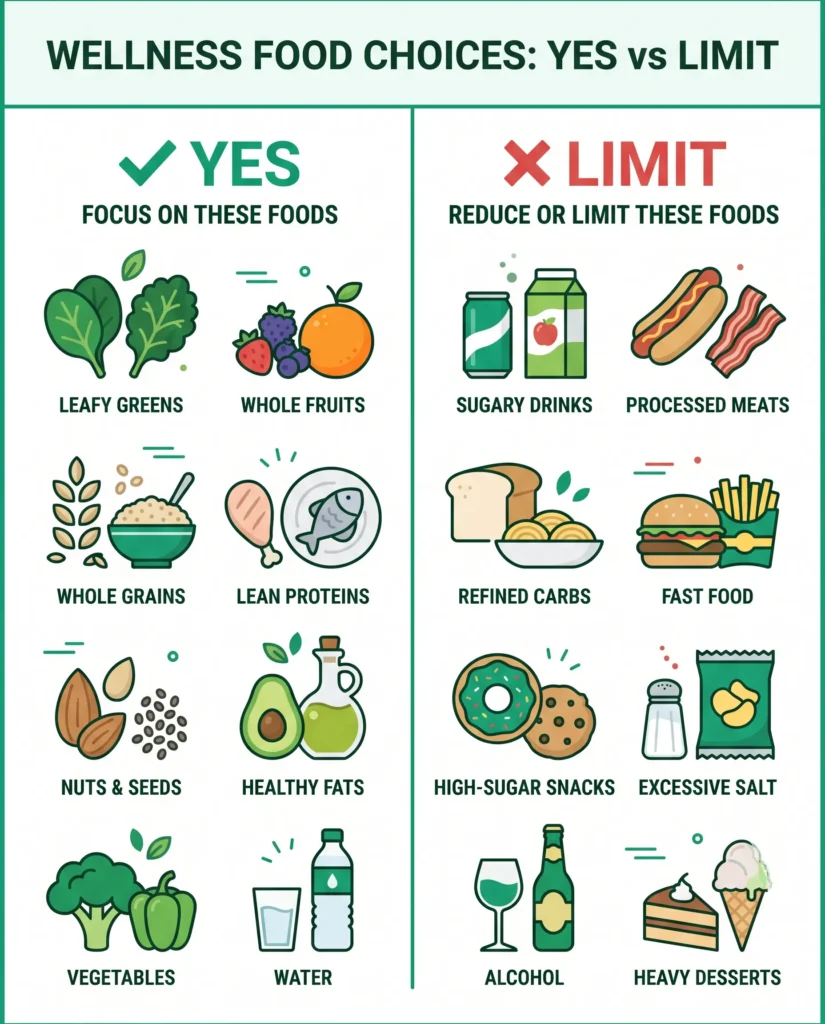
What to Eat on Ozempic: The 7 Best Foods
1. Gelatin — The Ozempic-Recommended Food
What to eat on Ozempic starts with gelatin because it is the only food ingredient specifically recommended by Ozempic’s official website for side effect management. The ozempic.com nausea guidance page lists gelatin alongside soups and bland foods as a recommended dietary choice for managing nausea episodes. That manufacturer recommendation makes gelatin for Ozempic users uniquely validated.
Beyond nausea support, gelatin provides collagen precursor amino acids — glycine, proline, and hydroxyproline — that support gut lining integrity, skin collagen maintenance (relevant for Ozempic face prevention), and hair follicle support (relevant for reducing telogen effluvium). At approximately 6 grams of protein per tablespoon, gelatin also contributes to daily protein targets when appetite is too suppressed for solid food. For the complete guide, see our gelatin for Ozempic side effects article. For brand comparisons, see our best gelatin powder for weight loss guide.
2. Eggs
What to eat on Ozempic for protein at breakfast is most effectively answered with eggs. Eggs provide complete protein — all essential amino acids — at approximately 6 grams per egg, with a fat profile that is easily digestible in small portions. They are also among the most versatile foods when appetite is suppressed: scrambled, soft-boiled, or as an omelet, they require minimal effort to eat.
Eggs also provide choline — a nutrient that supports liver function and cognitive performance, both relevant during periods of significantly restricted calorie intake. Aim for 2 eggs at breakfast to anchor the morning protein target.
3. Greek Yogurt
What to eat on Ozempic for a protein-dense, easy-to-eat option is Greek yogurt. Plain Greek yogurt provides 15 to 20 grams of complete protein per cup, with a soft texture that is one of the most tolerable foods during high-nausea periods. It also provides probiotics that support gut microbiome health — directly relevant because GLP-1 medications alter GI motility and can disrupt the gut environment.
Choose plain, full-fat or 2% Greek yogurt rather than flavored versions, which contain added sugar. Add berries for polyphenol GLP-1 support and a teaspoon of honey if sweetness is needed. Greek yogurt with berries is one of the most nutritionally complete small meals available when appetite is severely reduced.
4. Oats
What to eat on Ozempic for a fiber-rich, easily digestible breakfast is oats. Oats contain beta-glucan — a soluble fiber that independently stimulates GLP-1 secretion, slows gastric emptying, and produces short-chain fatty acids that support gut lining health. This makes oats one of the few foods that actively supports the same biological pathway as the medication itself.
Steel-cut or rolled oats provide more beta-glucan than instant oats. Cook them with water rather than milk during high-nausea periods. Add a tablespoon of unflavored gelatin to the cooking water for additional protein and gut support — it dissolves invisibly and adds no flavor. For a dedicated pre-meal gelatin protocol, see our GLP-1 gelatin recipe guide.
5. Lean Protein — Chicken, Fish, Turkey
What to eat on Ozempic for main meals centers on lean protein sources. Research consistently shows that eating protein first at each meal on GLP-1 medications maximizes muscle preservation and satiety. Chicken breast, white fish, turkey, and canned tuna are all low-fat, easy-to-digest protein sources that work well when gastric emptying is slowed. Aim for 20 to 30 grams of protein per meal.
Preparation method matters more on Ozempic than on a normal diet. Grilled, baked, or poached proteins are far better tolerated than fried versions. High-fat cooking methods slow digestion further and are among the most common triggers for nausea and bloating on semaglutide.
6. Non-Starchy Vegetables
What to eat on Ozempic for fiber and micronutrients without adding significant digestive burden is non-starchy vegetables. Broccoli, spinach, zucchini, cucumber, bell peppers, and leafy greens provide fiber, vitamins, and minerals in a low-calorie, easy-to-digest form. Cooking vegetables — steaming or roasting — makes them more tolerable during nausea periods than raw versions.
Vegetables also provide the dietary fiber needed to prevent constipation — the second most common Ozempic side effect after nausea. Aim for at least 2 servings of non-starchy vegetables per day, even when appetite is significantly suppressed.
7. Berries and Low-Glycemic Fruit
What to eat on Ozempic for carbohydrates and antioxidants is berries and low-glycemic fruit. Berries — blueberries, strawberries, raspberries, blackberries — are among the most nutrient-dense, easy-to-eat foods available. They provide polyphenols that inhibit DPP-4 (extending active GLP-1 duration), fiber, vitamin C, and antioxidants in a form that is well-tolerated even during nausea.
Bananas are a useful addition during nausea-heavy periods — their bland flavor and easy digestibility make them one of the safest foods to eat when nothing else is tolerable. Avoid high-sugar fruits in large portions — the slower gastric emptying on semaglutide means blood sugar responses to fruit are more pronounced than usual.
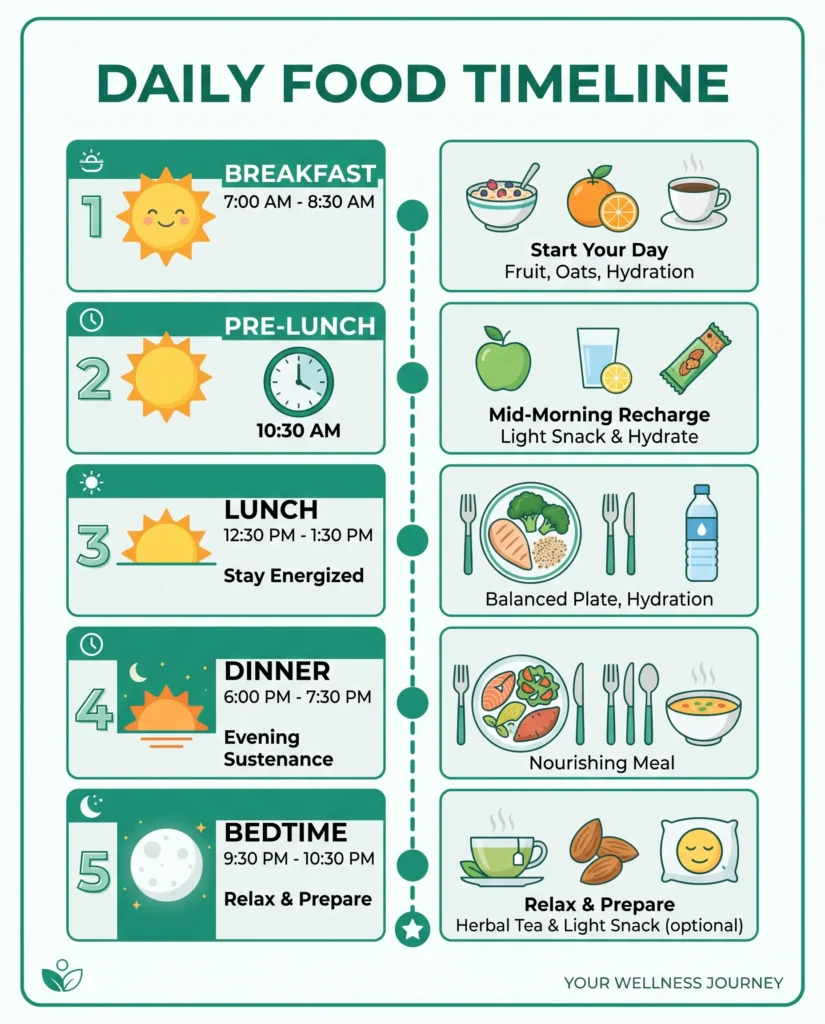
What to Eat on Ozempic: Daily Meal Structure
Knowing what to eat on Ozempic is less useful without a practical daily structure. Here is the meal framework most supported by GLP-1 nutrition research.
Breakfast — protein anchor + gelatin
2 eggs scrambled or a cup of Greek yogurt with berries. Dissolve one tablespoon of unflavored gelatin in your morning warm drink — coffee, tea, or warm water — for additional protein, gut support, and collagen amino acids. Oats with berries and a protein source two to three times per week for beta-glucan support.
Before lunch — gelatin pre-meal drink
20 to 30 minutes before your largest meal: the natural ozempic drink — one tablespoon unflavored gelatin in warm water with fresh lemon juice. This pre-meal dose is what to eat on Ozempic as a food-based GLP-1 amplifier — supporting the medication’s satiety mechanism through the same pathway while providing protein and gut lining support.
Lunch — protein first, then vegetables
3 to 4 ounces of lean protein (chicken, fish, turkey, tuna) followed by non-starchy vegetables. Keep portions smaller than pre-Ozempic meals. What to eat on Ozempic at lunch is not about restriction — it is about prioritizing protein and vegetables in the limited appetite window available. Add half a cup of legumes for additional fiber and protein three to four times per week.
Dinner — light and easy
A lighter version of the same protein-first structure. Greek yogurt, eggs, or soft fish are often the most tolerable dinner options during the first weeks on semaglutide. Avoid large portions and high-fat meals at dinner — the slower gastric emptying on GLP-1 medications means heavy evening meals are particularly likely to cause overnight discomfort.
Before bed — gelatin bedtime drink
One tablespoon of unflavored gelatin dissolved in warm chamomile tea. This bedtime dose provides overnight collagen amino acids for skin support (relevant for Ozempic face prevention), glycine’s documented sleep quality benefits, and additional daily protein. See our gelatin trick before bed guide for the complete recipe.
What to Limit on Ozempic
Knowing what to eat on Ozempic is half the framework. The other half is knowing what consistently worsens side effects.
| Food Category | Why to Limit | Better Alternative |
| Fried foods | Slows digestion further, major nausea trigger | Grilled, baked, or steamed |
| High-fat meals | Sits in stomach for hours when emptying is slowed | Small portions of moderate fat |
| Sugary drinks | Wastes limited calorie budget, blood sugar spikes | Water, herbal tea, green tea |
| Ultra-processed foods | Blunts GLP-1 activity over time | Whole food equivalents |
| Large portions | Overwhelms slowed gastric system | Small, frequent meals |
| Alcohol | No nutritional value, GLP-1 interaction | Sparkling water with lemon |
Frequently Asked Questions
What to eat on Ozempic when nothing sounds appetizing?
When appetite is severely suppressed and nothing sounds appealing, the most tolerable options are plain Greek yogurt, a soft-boiled egg, a banana, or warm gelatin broth — plain gelatin dissolved in warm water or broth. These provide protein and nutrients with minimal texture, flavor, or digestive demand. Ozempic’s own website recommends gelatin alongside soups as foods to eat during side effect episodes precisely because of this tolerance profile.
What to eat on Ozempic for breakfast?
The best breakfast on Ozempic is a small, protein-first meal: 2 eggs, a cup of Greek yogurt with berries, or oats with a protein source. Dissolve one tablespoon of unflavored gelatin into your morning hot drink — coffee, tea, or warm water — for additional protein and collagen amino acid support without changing the meal’s flavor or volume.
How much protein to eat on Ozempic?
Target 80 to 120 grams of total protein daily while on GLP-1 medications. Research from the STEP 1 trial and subsequent studies shows that adequate protein intake is the most important dietary factor for minimizing muscle loss on semaglutide. Distribute protein across meals — aim for 20 to 30 grams per meal to maximize muscle protein synthesis at each eating occasion.
Can I eat carbs on Ozempic?
Yes — but type and timing matter more on Ozempic than on a normal diet. Prioritize complex carbohydrates: oats, sweet potatoes, legumes, and whole grain bread. These digest slowly and keep blood sugar stable without the spike that refined carbs cause. Avoid white bread, white rice, and sugary foods in the first half of meals. Always eat protein first, then carbohydrates.
Does gelatin count as a food to eat on Ozempic?
Yes — and uniquely so. Gelatin is recommended by Ozempic’s own website for nausea management, provides easily tolerated protein, delivers collagen precursor amino acids for skin and gut support, and through its glycine content can naturally support the same GLP-1 pathway as the medication. Gelatin is one of the most versatile and well-supported foods to eat on Ozempic at any stage of treatment.
Conclusion
What to eat on Ozempic comes down to one fundamental principle: every small meal must count more than it used to. When appetite drops by 70 to 80 percent, the priority is not restriction — it is protein density, gut support, and nutritional quality in a form your body can actually tolerate.
The 7 foods in this guide — gelatin, eggs, Greek yogurt, oats, lean protein, non-starchy vegetables, and berries — cover the most important nutritional bases for GLP-1 medication users. Gelatin’s specific role as both a side effect management tool (Ozempic-recommended) and a collagen amino acid source makes it uniquely valuable in this context. Start with the morning gelatin drink, the pre-meal natural ozempic drink, and the bedtime dose — and build the rest of your Ozempic diet around the protein-first framework above.