How to Increase GLP-1 Naturally: 9 Proven Foods and Strategies (2026)
How to increase GLP-1 naturally is one of the most searched wellness questions of 2026 — driven by widespread awareness of GLP-1 medications like Ozempic, Wegovy, and Mounjaro and growing interest in food-based alternatives. The answer is more nuanced than most articles admit: yes, you can increase GLP-1 naturally through specific foods and lifestyle strategies, and the evidence behind several of them is genuinely solid. No, you cannot replicate pharmaceutical GLP-1 activation through food alone. Understanding the difference is what makes a natural GLP-1 strategy actually useful.
This guide covers how to increase GLP-1 naturally using the 9 most evidence-supported approaches — ranked by the strength and consistency of the research behind them. Each strategy includes the mechanism, the practical application, and how to stack it with others for a cumulative daily effect. For the single most targeted food-based GLP-1 strategy available, the gelatin natural ozempic drink is covered in detail in strategy number one. For the dedicated recipe guide, see our GLP-1 gelatin recipe.
Table of Contents
Table of Contents
What Is GLP-1 and Why Does Increasing It Matter?
Before covering how to increase GLP-1 naturally, understanding what GLP-1 does explains why increasing it is worth pursuing.
GLP-1’s three core functions
GLP-1 — glucagon-like peptide-1 — is a hormone produced by L-cells in the small intestine every time you eat. It performs three functions that are directly relevant to appetite and weight management. First, it signals the hypothalamus in the brain to reduce hunger, decreasing how much you eat at the next meal. Second, it slows gastric emptying — the rate at which food leaves the stomach — extending fullness after eating. Third, it stimulates insulin release from the pancreas in response to rising blood sugar, supporting stable glucose levels after meals.
Why food-based GLP-1 stimulation matters
Natural GLP-1 production is transient — it spikes in response to eating and falls between meals. The goal of learning how to increase GLP-1 naturally is to maximize that spike by delivering the right nutrients at the right time. The result is a stronger, longer satiety signal after each meal. This does not match the sustained pharmacological GLP-1 activation of prescription medications — but it is real, cumulative, and available to anyone through food.
How to Increase GLP-1 Naturally: 9 Proven Strategies
1. Gelatin — The Most Targeted Natural GLP-1 Food
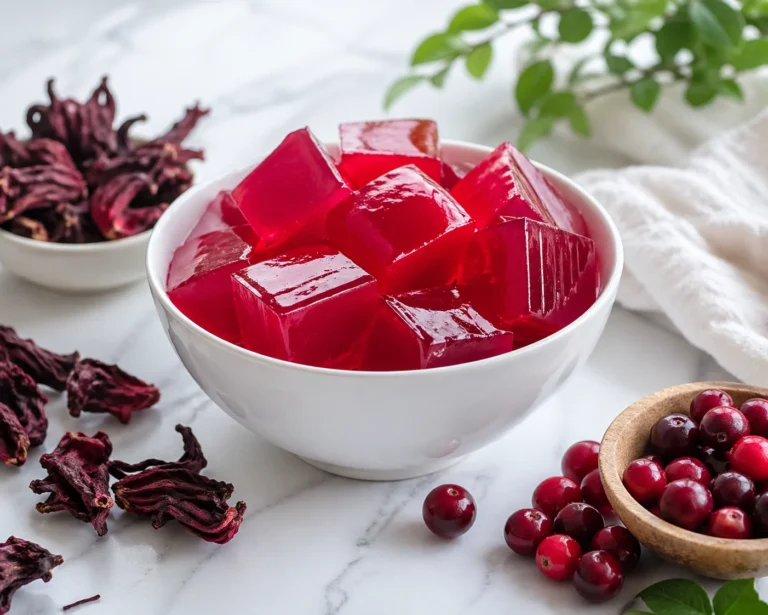
How to increase GLP-1 naturally with maximum precision starts with gelatin. Gelatin is approximately 27 percent glycine by amino acid content — and glycine has peer-reviewed evidence showing it directly stimulates intestinal L-cells to secrete GLP-1. This makes gelatin the most targeted single food for natural GLP-1 stimulation available.
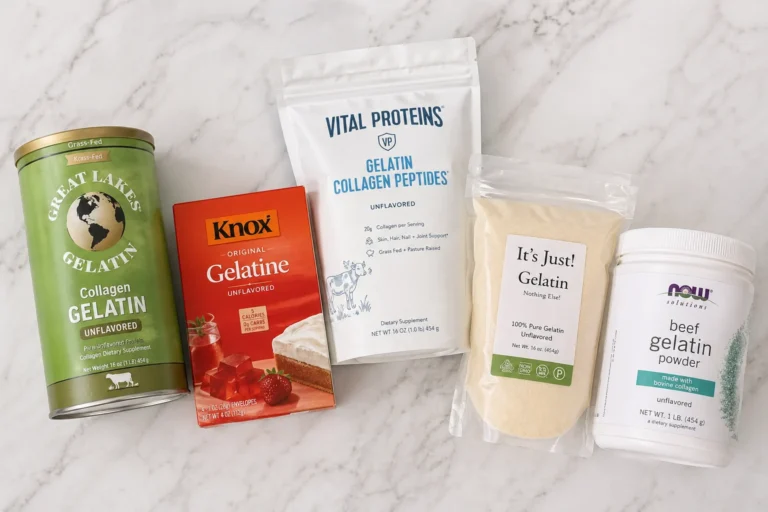
The practical method: dissolve one tablespoon of unflavored gelatin in warm water with apple cider vinegar and fresh lemon juice — the natural ozempic drink — and take it 20 to 30 minutes before your largest meal. This timing delivers glycine to your small intestine during the pre-meal window, triggering a GLP-1 response before you begin eating. Gelatin also forms a semi-physical gel in the stomach, adding a second satiety signal through stomach stretch receptors.
For the complete recipe and science, see our natural ozempic drink guide and our complete natural ozempic guide.
2. High-Protein Foods
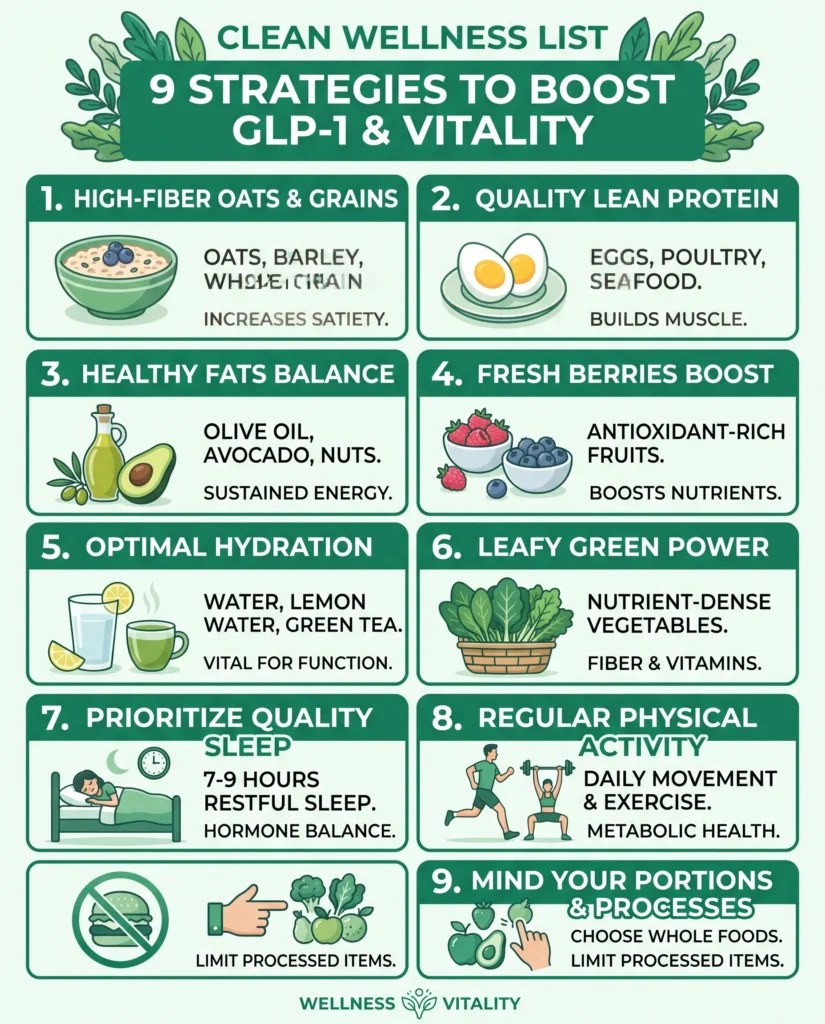
Protein is one of the strongest natural triggers for GLP-1 secretion from intestinal L-cells. How to increase GLP-1 naturally through protein is well-documented: most high-protein meals stimulate meaningful GLP-1 release, with whey protein showing the most direct evidence in published research. Lean meats, eggs, Greek yogurt, cottage cheese, fish, and legumes all stimulate significant GLP-1 responses.
The practical method: lead every meal with a protein source before adding carbohydrates. Eating protein first at each meal has been shown to maximize the GLP-1 response compared to eating carbohydrates first. A registered dietitian cited by Geisinger Health in 2026 specifically noted that eating protein and fiber before carbohydrates is most effective at boosting GLP-1 release.
3. Beta-Glucan Fiber — Oats and Barley
How to increase GLP-1 naturally through fiber is most effectively done through beta-glucan — a soluble fiber found in high concentrations in oats and barley. When gut bacteria ferment beta-glucan, they produce short-chain fatty acids (SCFAs) — acetate, propionate, and butyrate — that directly stimulate GLP-1 release by binding to L-cell receptors. Multiple studies confirm that beta-glucan delays gastric emptying and promotes GLP-1 secretion.
The practical method: one bowl of rolled oats or barley at breakfast. Oats are the most accessible source. Steel-cut oats provide more beta-glucan than instant oats. Adding berries and a protein source (Greek yogurt, eggs) creates a complete morning GLP-1 stack.
4. Green Tea (EGCG)
How to increase GLP-1 naturally with a beverage is most effectively done with green tea. Green tea contains EGCG — epigallocatechin gallate — a catechin shown in multiple studies to independently stimulate GLP-1 secretion and slow gastric emptying. EGCG is also why the green tea variation of the natural ozempic drink is the most GLP-1-optimized version — it stacks EGCG’s effect on top of gelatin’s glycine for a dual-pathway natural GLP-1 boost.
The practical method: one to two cups of green tea daily, ideally in the morning or before meals. Matcha provides higher EGCG concentrations than brewed green tea bags. Avoid adding large amounts of milk, which can bind EGCG and reduce bioavailability.
5. Legumes — Beans, Lentils, Chickpeas
How to increase GLP-1 naturally through plant foods is most effectively done with legumes. Legumes deliver a combination of soluble fiber, resistant starch, and plant protein that collectively stimulates GLP-1 through multiple pathways simultaneously. Their fiber supports SCFA production. Their resistant starch provides additional fermentable substrate for gut bacteria. Their protein provides direct amino acid triggers for L-cell GLP-1 secretion.
The practical method: add half a cup of legumes to lunch or dinner at least 3 to 4 times per week. Chickpeas, black beans, lentils, and edamame are all effective. Legumes also reduce the glycemic index of meals they are paired with, supporting post-meal blood sugar stability that extends the GLP-1 satiety window.
6. Apple Cider Vinegar
How to increase GLP-1 naturally with ACV is indirect but meaningful. Apple cider vinegar does not directly stimulate GLP-1 production — its mechanism is different. Acetic acid in ACV slows gastric emptying, extending the satiety window from GLP-1 produced during meals. It also reduces the post-meal blood sugar spike that follows carbohydrate consumption, which in turn reduces the appetite rebound when blood sugar drops.
The practical method: one tablespoon of raw unfiltered ACV (with the mother) added to the natural ozempic drink before meals. ACV is most effective when combined with gelatin — the two mechanisms stack rather than overlap. Use only diluted ACV — never drink it undiluted, as concentrated acetic acid can damage tooth enamel. For the complete dual-mechanism recipe, see our natural ozempic recipe with ACV guide.
7. Polyphenol-Rich Foods
How to increase GLP-1 naturally throughout the day is most effectively sustained through polyphenols. Polyphenols found in berries, dark chocolate, turmeric, and colorful vegetables support GLP-1 activity through two mechanisms: they stimulate natural GLP-1 production through anti-inflammatory gut pathways, and they inhibit DPP-4 — an enzyme that breaks down active GLP-1 after secretion — extending how long each GLP-1 spike remains active.
The practical method: add a handful of berries to breakfast, use turmeric in cooking daily, include dark chocolate (70%+ cacao) as an afternoon snack. Coffee polyphenols also support GLP-1 activity — one 2015 study found that coffee polyphenols increased post-meal GLP-1 release in animal models. Consistent daily polyphenol intake is more important than any single large dose.
8. Healthy Fats — Olive Oil and Omega-3s
How to increase GLP-1 naturally through dietary fat works best with monounsaturated fats and omega-3 fatty acids. Studies show that monounsaturated fats, like those in olive oil, are better at stimulating GLP-1 release than saturated fats. Omega-3 fatty acids from fatty fish (salmon, sardines, mackerel) support GLP-1 production and improve insulin sensitivity — an important downstream benefit of natural GLP-1 stimulation.
The practical method: use extra-virgin olive oil as your primary cooking fat. Include fatty fish two to three times per week. Avocados provide both monounsaturated fats and fiber that support GLP-1 through dual pathways. Replace butter with olive oil at meals for a consistent daily upgrade to your GLP-1 profile.
9. Exercise — The Non-Food GLP-1 Booster
How to increase GLP-1 naturally without food is most effectively done through exercise. Both moderate-intensity cardio (brisk walking, cycling, swimming) and high-intensity interval training (HIIT) boost GLP-1 production and improve insulin sensitivity. Exercise-induced GLP-1 release works through different mechanisms than food-triggered release, making it a genuinely additive strategy rather than redundant with dietary approaches.
The practical method: 30 minutes of moderate-intensity exercise at least 4 days per week. Brisk walking after meals has specific evidence for post-meal blood sugar regulation and GLP-1 activity. You do not need intense workouts — consistency matters far more than intensity for sustainable natural GLP-1 support.
How to Stack These Strategies for Maximum GLP-1 Effect
How to increase GLP-1 naturally most effectively is not about choosing one strategy — it is about stacking multiple GLP-1 triggers across the day at strategic timing points.
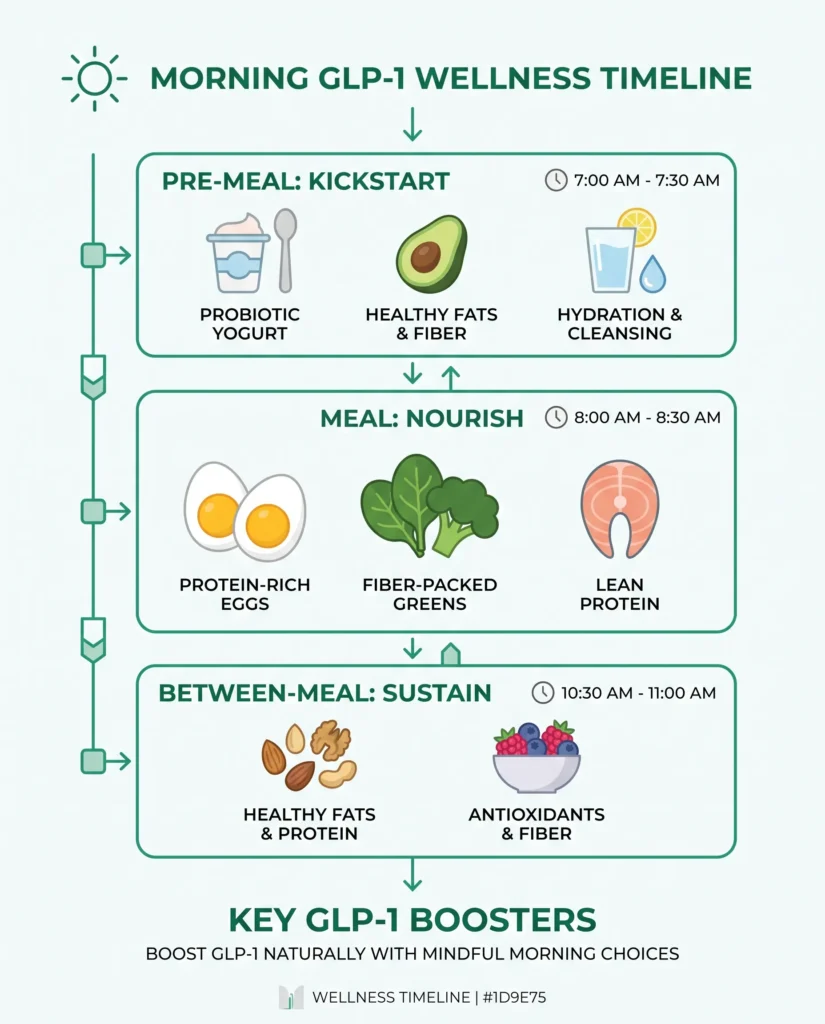
Morning stack
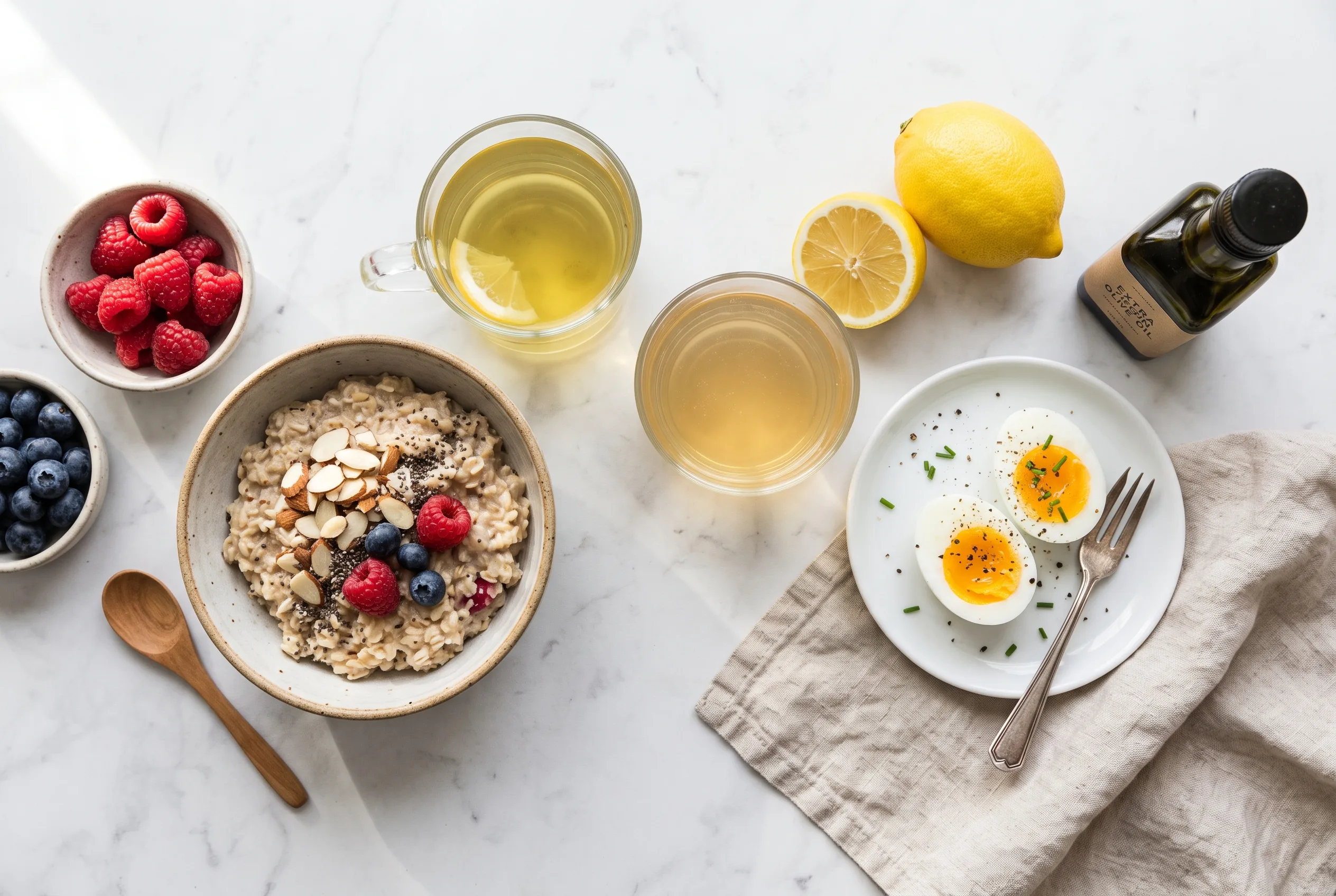
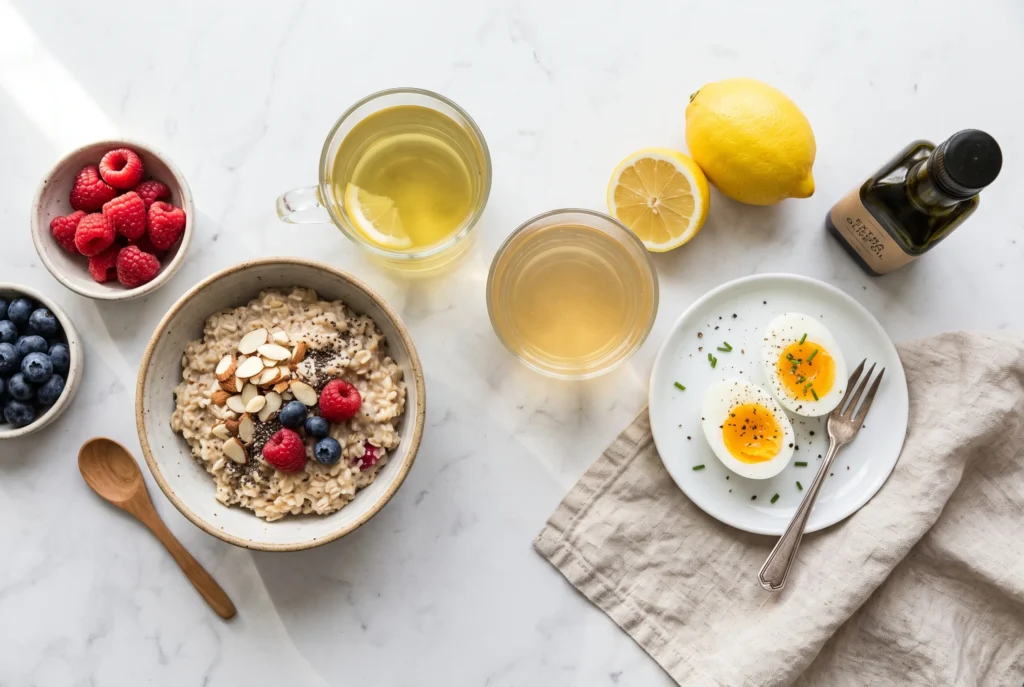
Oats with berries (beta-glucan + polyphenols) + green tea (EGCG) + eggs or Greek yogurt (protein). This morning combination activates three independent GLP-1 pathways simultaneously and sets the hormonal baseline for the day.
Pre-meal stack
Natural ozempic drink 20 to 30 minutes before your largest meal: one tablespoon gelatin + one tablespoon ACV + fresh lemon juice + warm water or green tea. This is the single most targeted pre-meal GLP-1 strategy available and the practical core of the natural ozempic drink approach.
Meal structure
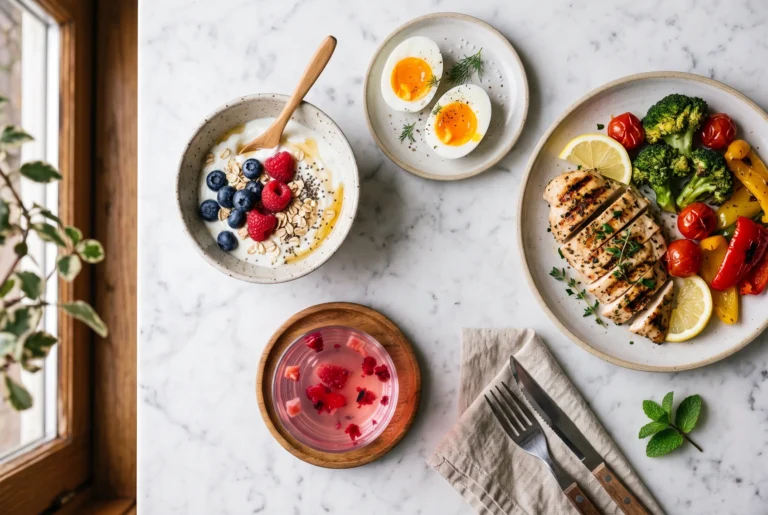
Protein first, then vegetables, then carbohydrates at every meal. This sequence maximizes the GLP-1 response from each meal’s protein and fiber content. Add olive oil or avocado for monounsaturated fat GLP-1 support. Include legumes at lunch or dinner at least three times per week.
Between meals
Dark chocolate (70%+ cacao) or turmeric tea between meals supports DPP-4 inhibition — extending the active window of GLP-1 produced at meals. A 20-minute walk after lunch or dinner adds exercise-induced GLP-1 support to the post-meal period.
How to Increase GLP-1 Naturally vs. Prescription Medications
How to increase GLP-1 naturally produces GLP-1 concentrations in the food-physiological range — approximately 9.7 to 42 pmol/L, depending on the meal composition and timing. Prescription semaglutide (Ozempic) produces sustained GLP-1 receptor activation at pharmacological levels approximately 470 times higher.
This comparison is important for realistic expectations. Natural GLP-1 strategies produce a meaningful food-range effect — real, cumulative, and sustainable indefinitely at no cost beyond food. They do not replicate the dramatic appetite suppression of prescription GLP-1 medications. For the complete comparison of natural versus prescription approaches, see our natural ozempic complete guide. If you are currently on prescription GLP-1 medication, see our guide on gelatin for Ozempic side effects for a dedicated protocol.
Frequently Asked Questions
What is the fastest way to increase GLP-1 naturally?
How to increase GLP-1 naturally with the fastest single-meal effect is through the pre-meal gelatin natural ozempic drink — one tablespoon of unflavored gelatin with ACV and lemon juice, taken 20 to 30 minutes before eating. The glycine reaches your small intestine before the meal begins, triggering a GLP-1 response before your first bite. This is the most precisely timed natural GLP-1 intervention available.
Which foods increase GLP-1 the most?
How to increase GLP-1 naturally through food is most effectively done with gelatin (glycine), whey protein, beta-glucan oats, and green tea EGCG — in that order based on specificity of evidence. Gelatin is the most targeted single food because glycine directly stimulates L-cell GLP-1 secretion. Whey protein has the most evidence among protein sources. Beta-glucan oats and green tea EGCG have independent multi-study evidence.
Can I increase GLP-1 naturally without taking medication?
Yes. How to increase GLP-1 naturally without medication is the entire subject of this guide. Food-based GLP-1 stimulation through gelatin, protein, fiber, green tea, ACV, polyphenols, healthy fats, and exercise is documented in peer-reviewed research. The effect is food-range rather than pharmacological, but it is real and cumulative with daily consistency.
How long does it take to see results from natural GLP-1 strategies?
How to increase GLP-1 naturally produces an immediate effect at each meal — GLP-1 is released within minutes of eating the right foods. The cumulative appetite control effect — eating noticeably less at meals — typically becomes apparent within 7 to 14 days of consistent daily use of the pre-meal gelatin drink. Exercise-induced GLP-1 improvements become apparent over 2 to 4 weeks of consistent training.
Does the natural ozempic drink actually increase GLP-1?
Yes. The natural ozempic drink increases GLP-1 through gelatin’s glycine content, which has direct peer-reviewed evidence for L-cell GLP-1 stimulation. The apple cider vinegar in the recipe independently extends satiety by slowing gastric emptying through a separate mechanism. The combination creates a dual-action pre-meal satiety effect. See our complete natural ozempic drink guide for the full recipe and science.
Conclusion
How to increase GLP-1 naturally is a question with real, evidence-supported answers — not a question where the only honest response is ‘take a prescription medication.’ Gelatin, protein, beta-glucan fiber, green tea EGCG, legumes, ACV, polyphenols, healthy fats, and exercise all stimulate natural GLP-1 production through documented mechanisms.
The most effective single starting point for how to increase GLP-1 naturally is the pre-meal gelatin natural ozempic drink — one tablespoon of unflavored gelatin with ACV and lemon juice, taken 20 to 30 minutes before your largest meal. Stack it with oats at breakfast, protein first at every meal, green tea in the morning, and a post-meal walk, and you have the most complete daily natural GLP-1 protocol available without a prescription. Still have questions? Read our honest answer to does the gelatin trick work.